
Plants
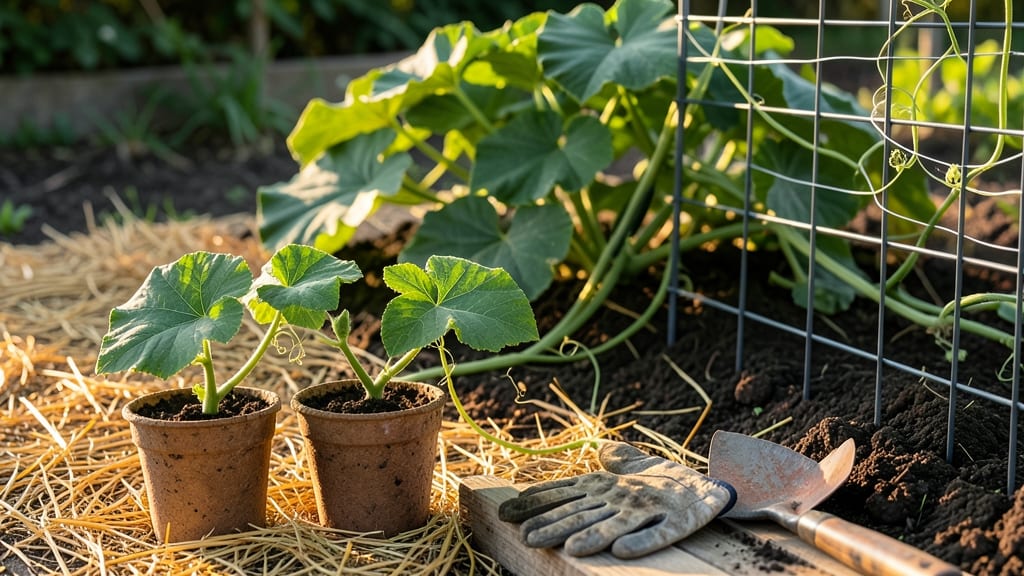
Planting cucumbers in Florida at the right time means the difference between a bountiful harvest and a sad, wilted vine.
Florida’s warm climate means cucumbers can grow year-round—but planting at the wrong time risks poor yields, pests, or even crop failure. Timing your cucumber harvests by county ensures you beat heat stress and maximize sweet, crisp produce.
In North Florida (USDA Zones 8a-9a), cucumbers thrive when planted after the last frost, typically in early March or late February. Meanwhile, South Florida (Zones 10a-11) can start as early as January, with fall plantings extending into October.
Below, I break down the best planting windows by region, soil prep tips, and how to adjust for Florida’s microclimates—so you can grow cucumbers like a pro all year long.
Florida cucumber planting calendar by county: frost-free Zones & heat tolerance maps
Florida’s diverse climate zones mean cucumbers thrive year-round—but timing matters. North Florida’s cooler winters and South Florida’s intense summer heat create distinct planting windows.
I’ll break down the best months for each region, including heat tolerance thresholds (90°F+ triggers stress) and frost-free zone adjustments (rare in Miami but critical in Jacksonville).
For North Florida counties (e.g., Jacksonville, Gainesville), aim for early spring (March-April) and late summer (August-September) to avoid 90°F+ heat and occasional frosts (Jan-Feb).
In Central Florida (Orlando, Tampa), plant year-round with shade cloth in summer, while South Florida (Miami, Key West) can grow cucumbers year-round but prioritize fall (Sept-Nov) for best yields.
Here’s the county-by-county breakdown of ideal planting windows, heat thresholds, and frost-free adjustments:
In North Florida, March-April is ideal for spring cucumbers before summer heat sets in. Use black plastic mulch to warm soil and extend the season. For late summer plantings (August-September), focus on heat-tolerant varieties like ‘Straight Eight’ and provide afternoon shade during peak heat.
Central Florida’s year-round potential means you can grow cucumbers in winter (Dec-Feb) with row covers and summer (June-August) with shade cloth (30-50%). However, September-November often yields the sweetest cucumbers due to cooler temps and lower humidity. Drip irrigation is a must to prevent powdery mildew in humid conditions.
For South Florida, year-round growth is possible, but summer plantings (June-August) require extra care. Temperatures above 95°F stress cucumbers, so prioritize morning harvests and shade cloth. Fall (September-November) is the sweet spot—cooler nights improve flavor, and hurricane season ends by November, reducing storm risks.
If you’re in the Panhandle, treat cucumbers like North Florida but with slightly warmer thresholds. April-May and September-October are your best bets. Use row covers in early spring to protect against light frosts and cucumber beetles, which thrive in warmer soil.
Pro tip: Soil temperature is more critical than air temperature. Use a soil thermometer to confirm 60°F+ before planting. In containers, soil warms faster—ideal for urban gardeners in South Florida who want to avoid ground heat stress.
🌱
How to adjust cucumber planting for Florida’s microclimates & soil conditions
Florida’s sandy soil and intense heat demand special adjustments for successful cucumber cultivation. Without proper soil amendments and microclimate management, your plants may struggle with nutrient deficiencies or heat stress. I’ve learned that organic matter amendments and strategic mulching can transform Florida’s challenging soil into a thriving cucumber garden.
First, test your soil pH—cucumbers prefer a range of 6.0 to 6.8. Florida’s native soils often test lower, so add compost or aged manure to improve fertility.
For sandy soils, mix in 2-3 inches of organic compost before planting to retain moisture and nutrients. This step alone can double your yield in Florida’s harsh conditions.
🌱
- 🌡️ Soil Temperature: Plant when soil reaches 60°F+ (use black plastic mulch to warm soil faster in cooler months)
- 🌿 Mulching: Apply straw or black plastic to retain moisture and suppress weeds (critical in Florida’s dry spells)
- ☀️ Shade Cloth: Use 30-50% shade cloth during peak summer months (June-August) to prevent heat stress
- 🌱 Companion Planting: Pair with radishes, beans, or marigolds to deter cucumber beetles (a major Florida pest)
- 💧 Watering: Deep water early morning (1-2 inches per week) to prevent fungal diseases in Florida’s humidity
During Florida’s brutal summer months, shade cloth becomes your best friend. I’ve seen cucumber plants wilt under direct sun when temperatures exceed 90°F. Install 30-50% shade cloth over vines to maintain ideal growing conditions while still allowing light penetration.
This simple trick can extend your harvest season by 4-6 weeks in South Florida.
Another Florida-specific challenge is pest pressure, particularly from cucumber beetles. These pests thrive in the warm climate and can devastate plants in days. To combat them, I recommend intercropping with radishes or nasturtiums, which act as trap crops.
Additionally, rotate planting locations yearly to disrupt beetle life cycles and reduce infestations.
For urban gardeners with limited space, container gardening is a great solution. Use large pots (15+ gallons) filled with a mix of potting soil and compost to ensure proper drainage and fertility.
Place containers in morning sun with afternoon shade to protect plants from extreme heat. This method works surprisingly well in Florida’s Zone 10 and 11 areas.
Finally, harvest regularly to encourage continuous production. In Florida’s heat, cucumbers grow aggressively but can become bitter if left on the vine too long. Pick fruits when they’re 6-8 inches long and dark green for the best flavor.
This practice also reduces disease pressure, a common issue in Florida’s humid climate.