
Plants
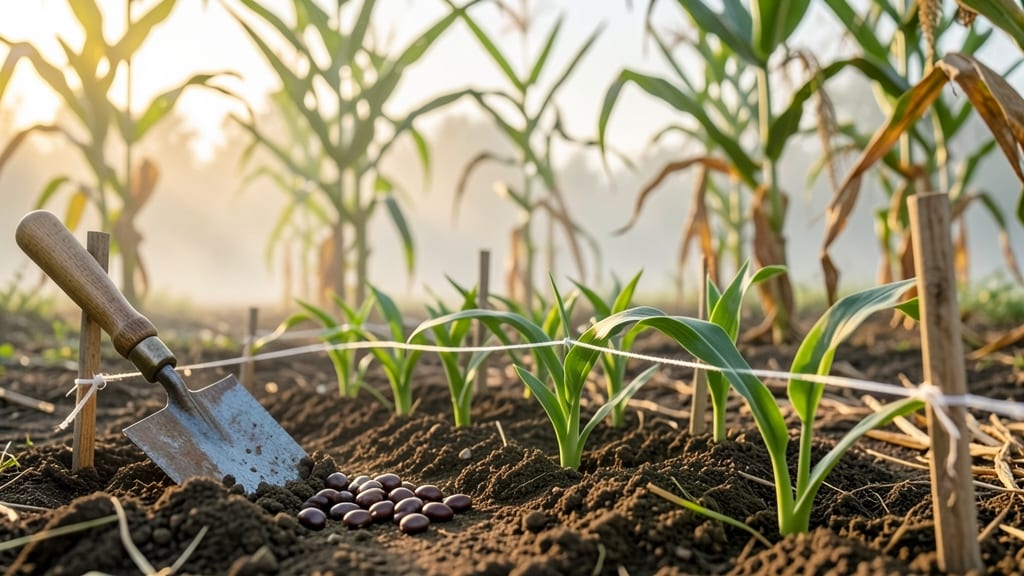
Planting corn in Kentucky between mid-April and early June is the golden window for sweet, plump ears—but get the timing wrong, and you’ll end up with frost-nibbled seedlings or stunted yields.
Kentucky’s humid climate and fertile soil make it an ideal place for growing 🌽, but timing is everything. Plant too early, and frost will ruin your crop; too late, and yields suffer. Here’s how to master the perfect planting window for maximum harvests.
Most gardeners in Kentucky’s 6a-7a zones rely on soil temperature rather than calendar dates—aim for 50°F–60°F to kickstart germination. Bluegrass and Pennyrile regions have slightly different microclimates, so I’ll break down the best strategies for each.
You’ll also discover the top 5 corn varieties that thrive in Kentucky, when to plant them for peak harvests, and how to adjust your schedule if spring surprises you with an early frost or a heatwave.
Kentucky corn planting dates based on soil temperature (not calendar months)
When it comes to planting corn in Kentucky, soil temperature matters far more than the calendar date. Corn seeds need warm soil—ideally between 50°F and 60°F—to germinate properly. Planting too early in cold soil can lead to rot, while waiting too long risks stunted growth before harvest.
Kentucky’s microclimates, like the cooler Bluegrass region versus the warmer Pennyrile, further complicate timing.
Unlike many gardeners who rely on calendar months (e.g., "plant in April"), corn thrives when soil warmth triggers germination. A soil thermometer is your best tool—insert it 2 inches deep to check daily.
In Kentucky, this usually aligns with mid-April to early June, but regional differences mean your exact window could vary by 1–2 weeks depending on location.
| Factor | Sweet Corn | Field Corn |
|---|---|---|
| Ideal Soil Temp | 55°F–60°F | 50°F–55°F |
| Planting Window (Bluegrass) | Late April–early May | Mid-April–late April |
| Planting Window (Pennyrile) | Early April–mid-May | Late March–early April |
| Germination Time | 7–10 days | 10–14 days |
| Key Risk | Cold soil rot | Slow emergence |
Sweet corn and field corn have different temperature preferences. Sweet corn, like 'Silver Queen', prefers warmer soil (55°F–60°F) to develop tender kernels, while field corn (e.g., 'Pioneer Brand 33B11') tolerates cooler 50°F–55°F soils.
This difference explains why field corn can be planted 2–3 weeks earlier than sweet corn in Kentucky’s USDA Zones 6a–7a.
To test soil warmth, use a soil thermometer for 3–5 days in the morning. If temperatures dip below 50°F, wait—corn seeds won’t germinate in cold soil.
In northern Kentucky (Bluegrass region), aim for late April plantings, while southern Kentucky (Pennyrile) gardeners can start as early as mid-March in protected beds.
Another critical factor is moisture. Corn seeds need consistent soil moisture to germinate, but soggy soil can cause rot. Use black plastic mulch to warm soil faster and retain moisture, especially in cooler microclimates.
This method can shave 1–2 weeks off your planting timeline by raising soil temperatures 5–10°F.
If you’re in Zone 6a (northern KY), plant sweet corn in late April to early May for a July–August harvest. For Zone 7a (southern KY), you can stretch plantings into early June for a late-summer crop.
Field corn, with its longer maturity, benefits from staggered plantings every 2 weeks to extend harvest windows.
One common mistake Kentucky gardeners make is planting based on calendar dates rather than soil temperature. For example, planting in early April in Louisville might work, but the same timing in Lexington could risk frost damage. Always verify soil warmth—it’s the most reliable predictor of success.
For southern Kentucky’s warmer microclimate, you can even try early spring plantings under row covers to jumpstart growth. However, avoid planting before the last frost date (typically April 15), as young corn is highly frost-sensitive.
Use frost cloth if you must plant earlier, but remove it once soil warms.
Pro tip: Plant a test row 1–2 weeks before your target date to monitor germination. If seeds sprout within 7–10 days, you’ve hit the ideal soil temperature. If not, wait another week and test again. This hands-on approach beats guessing based on calendar months every time.
Remember, Kentucky’s humid summers mean corn grows fast once planted. Sweet corn can go from seed to harvest in just 75–90 days, so timing your last planting to finish before fall frosts (mid-October) is key. Field corn, with its longer maturity (100–120 days), needs even earlier starts.
How to adjust planting time for Kentucky’s frost zones (5a–7a) and avoid common mistakes
Kentucky’s frost zones 5a–7a create a delicate balance for corn growers. While mid-April to early June is ideal, your exact planting window depends on microclimates and last frost dates. Northern Kentucky (zone 5a) faces earlier frosts than Louisville (zone 6a) or western regions (zone 7a).
Always check local frost charts—they’re your best guide to avoiding late spring frosts that can devastate young corn plants.
Start by calculating your average last frost date (typically April 15 but varies yearly). Add 2–3 weeks to this date for a safe planting window. For example, if your last frost is April 20, aim to plant by May 5.
This buffer ensures seedlings aren’t caught by unexpected cold snaps, which can stunt growth or kill plants entirely.
⚠️ callout-warning
- Planting by moon phases instead of soil temperature—corn needs 60°F+ soil, not lunar cycles.
- Ignoring microclimates: A low-lying area may frost 1–2 weeks later than a hilltop.
- Skipping soil warmth tests—use a soil thermometer to confirm readiness (cheap and lifesaving!).
Extend your growing season with row covers or floating tunnels if frost threatens. These tools can push your planting window 2–3 weeks earlier or delay harvests by 10–14 days in fall.
For example, in zone 5a, you might plant late March under covers and remove them after the last frost. Just ensure good airflow to prevent fungal diseases like corn smut.
For late-planting scenarios, opt for short-season varieties (e.g., ‘Early Sunglow’ at 65 days). These can mature before Kentucky’s first fall frost (October 15), even if planted in early June.
However, yields may drop by 30–50% compared to ideal timing. Always prioritize soil temperature over calendar dates—corn won’t thrive until the ground warms.
Test your soil’s readiness with a soil thermometer ($10 at garden centers). Insert it 2 inches deep in the morning; aim for 50°F+ for germination and 60°F+ for planting.
If your soil is below 50°F, wait or use heat mats for seed trays. Cold soil slows germination, leading to uneven stands and weaker plants.
Finally, group your corn by maturity dates to stagger harvests. Plant early, mid, and late batches 2 weeks apart. This strategy ensures you’re always harvesting fresh ears and maximizes your 180-day frost-free window in Kentucky.
For example, plant Silver Queen (85 days) in early May, Peaches and Cream (70 days) in late May, and Bodacious (65 days) in early June.