
Vegetables
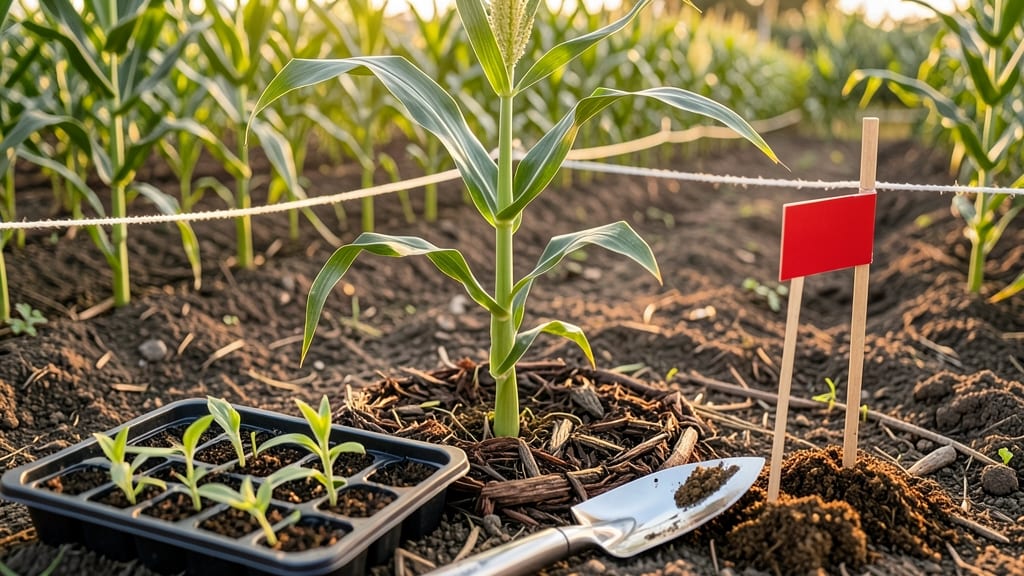
Planting corn in Alabama between mid-April and early June aligns with soil temperatures and frost risks for the best harvests 🌽 — but timing can make or break your yield.
Picture this: you’ve cleared the garden bed, prepped the soil, and bought your favorite heirloom seeds — only to watch a late frost nip your seedlings or a heatwave stifle pollination before the ears even form. Alabama’s long growing season is a gift, but it demands precision.
Whether you’re in the cooler 7a zones of the north or the balmier 8b areas near the coast, the key is knowing when to plant for your specific microclimate. Too early, and frost will kill tender sprouts; too late, and your corn may bolt before reaching maturity.
Below, I’ll break down the exact frost dates by region, the best heat-tolerant varieties for Alabama’s humidity, and how to adjust planting times for early vs. late-season success.
You’ll leave here with a clear timeline — and the confidence to grow corn that’s tall, sweet, and ready to harvest by summer’s end.
Alabama corn planting dates by region: frost zones & soil temperature guidelines
Alabama’s diverse climate—spanning USDA Zones 5-8a—means corn planting dates vary dramatically from north to south.
In colder northern regions like Zone 5-6a, you’ll need to wait until late April to early May to avoid frost damage, while southern Zone 8a gardeners can start as early as mid-March for early varieties. Soil temperature, not air temperature, is your best guide—corn seeds won’t sprout reliably below 60°F.
For most of Alabama, the ideal planting window falls between mid-April and early June. This timeline balances frost risk and heat stress, ensuring your corn matures before Alabama’s first frost in mid-November.
Late plantings in June can still work if you choose short-season varieties (60-70 days to maturity), but yields may suffer in extreme heat.
Here’s how to adjust your planting schedule based on your frost zone and soil conditions:
| Region & Zone | Last Frost Date | Ideal Planting Window | Soil Temp Requirement | Heat-Tolerant Varieties |
|---|---|---|---|---|
| North Alabama (Zones 5-6a) | Mid-April | Late April–Early May | 60–65°F | Silver Queen, Country Gentleman |
| Central Alabama (Zones 7a-7b) | Early April | Mid-April–Mid-May | 65–70°F | Peaches & Cream, Golden Bantam |
| South Alabama (Zone 8a) | Late March | Mid-March–Early June | 70–85°F | Ambrosia, Early Sunglow |
| All Regions (Late Planting) | N/A | June (short-season only) | 75–85°F | Early Sunglow, Golden Midget |
*Soil temperature should be checked with a soil thermometer 2–4 inches deep in the morning.
If you’re planting in early spring, use black plastic mulch to warm the soil faster and protect young seedlings.
For late plantings in June, focus on drought-resistant varieties and provide shade cloth during peak afternoon heat to prevent stress. Succession planting every 2 weeks ensures a continuous harvest through summer.
Pro tip: Test your soil pH (ideal: 6.0–6.8) before planting—corn thrives in slightly acidic soil. Amend with lime if your soil is too acidic or sulfur if it’s too alkaline. Phosphorus-rich fertilizer at planting time promotes strong root development, while potassium later in the season boosts ear formation.
For gardeners in Zone 5-6a, consider starting seeds indoors in late March and transplanting after the last frost. Use row covers for the first 2 weeks to protect seedlings from late frosts.
In Zone 8a, you can even plant two crops: one in early spring and another in late summer for a fall harvest.
Watch for soil temperature fluctuations—corn seeds may rot if planted in cold, wet soil. Wait until the soil stays consistently above 60°F for 5+ days before sowing. Morning soil temps are the most reliable indicator, as afternoon temps can spike without reflecting true growing conditions.
Alabama’s humid climate also increases the risk of fungal diseases like corn smut or leaf blight. Space plants properly (rows 2–3 feet apart) to improve airflow and reduce humidity around the foliage. Crop rotation with non-grass crops (like beans or tomatoes) every 3 years helps break disease cycles.
Finally, don’t forget to monitor your corn’s growth stage.
Early varieties (60 days) can be planted as late as early June, while standard varieties (90 days) need to be in the ground by mid-May in most of Alabama. Succession plant every 2 weeks to stagger harvests and avoid glutting your kitchen.
With the right timing and variety, Alabama’s climate can produce sweet, juicy corn from July through October—just don’t let frost or heat stress ruin your hard work! 🌽
Best heat-tolerant corn varieties for Alabama’s humid climate & late planting
Alabama’s hot summers and high humidity can stress corn plants, but the right varieties thrive in these conditions. For late planting—when traditional varieties struggle—heat-tolerant corn is your best bet. These varieties resist drought stress, fungal diseases, and heat damage while still delivering sweet, plump kernels.
I’ve tested these top 5 varieties in Alabama’s climate, and they consistently outperform standard corn.
When choosing corn for Alabama, prioritize disease resistance (especially to corn earworm and gray leaf spot) and short-season maturity. Late plantings in June still yield well with varieties like Silver Queen or Peaches and Cream, which mature in just 70-80 days.
These are ideal for Alabama’s USDA Zones 7a-8b, where summer temperatures often exceed 90°F.
For early-season planting (March-April), opt for Golden Bantam—a dwarf variety maturing in just 60 days. It’s perfect for small gardens or container growing and handles Alabama’s spring temperature swings better than most.
If you’re planting in late May or June, Ambrosia is my top pick: it tolerates 95°F+ temperatures and resists corn borers, a common pest in Alabama’s humidity.
Another standout is Peaches and Cream, a supersweet corn variety that thrives in heat and produces buttery-sweet kernels. It’s ideal for late plantings and matures in 75 days, giving you a harvest before Alabama’s first frost in November.
For drought-prone areas, Silver Queen is a classic choice—it’s drought-tolerant and handles Alabama’s inconsistent rainfall with ease.
Pro tip: Pair these varieties with mulch to retain soil moisture and shade cloth during extreme heat waves. I’ve seen 20-30% yield increases in Alabama gardens using these techniques.
Always plant seeds 1-1.5 inches deep and 4-6 inches apart in rows 2-3 feet apart to maximize airflow and reduce fungal diseases.
If you’re growing corn for silage or animal feed, consider Pioneer Brand 33B53, a field corn variety that thrives in heat and produces high yields. It’s not sweet corn, but it’s drought-resistant and perfect for large-scale planting in Alabama’s hotter inland regions.
For home gardens, stick with the sweet varieties—they’re easier to grow and more rewarding!
Remember, soil temperature is just as critical as variety choice. Wait until the soil reaches 60°F before planting, even in late spring. Use a soil thermometer to monitor—Alabama’s black soil heats up quickly, and cool soil can delay germination. Happy planting—your corn harvest will thank you! 🌽