
Plants
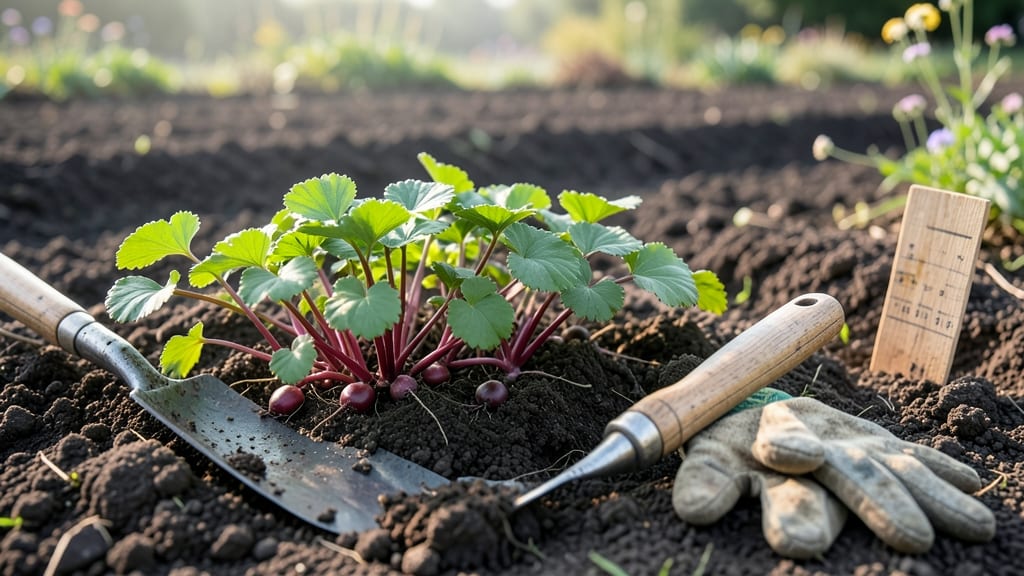
Planting beets in Tennessee at the right time means the difference between a fast, bountiful harvest and seeds that never sprout.
Timing your beet planting in Tennessee can mean the difference between a thriving harvest and wasted seeds—especially when fast germination is key to outpacing pests and heat.
A single late frost or early heatwave can turn your garden into a waiting game, and no one wants to watch their 🍠 seeds sit in cold soil for weeks.
In USDA zones 6a-7b, the best windows are March-April for spring and August-September for fall, but those dates shift slightly between East and West Tennessee. Too early, and frost zaps your seedlings; too late, and summer heat stunts their growth before they even take root.
Here’s how to nail the timing—including soil prep tricks, frost-ready varieties, and when to adjust for Tennessee’s microclimates—so you’re harvesting sweet, tender beets by June or October.
Tennessee planting zones & frost dates for beet germination success
Tennessee's diverse climate—from the Appalachian Mountains to the Mississippi River Valley—creates unique planting challenges for beets. Most of the state falls within USDA Zones 6a-7b, where last frost dates can vary by 2-4 weeks between regions.
Understanding these zones helps you time your beet germination to avoid heat stress or early frost damage.
Beets thrive when planted 4-6 weeks before the average last frost date, giving them time to germinate (typically 7-14 days) before summer heat arrives. In Tennessee, this means late March to early April for spring plantings and mid-August to early September for fall harvests.
Missing this window risks bolting (flowering prematurely) or stunted growth.
Here’s a breakdown of Tennessee’s key regions, frost dates, and ideal planting windows to maximize your beet harvest:
In East Tennessee’s cooler zones (6a-6b), beet seeds may take 7-10 days to sprout due to slower soil warming. Use black plastic mulch or row covers to accelerate germination by 2-3 days.
Meanwhile, West Tennessee’s Zone 7b offers faster germination (3-5 days), but you’ll need to plant early to avoid bolting before harvest.
Fall plantings in Tennessee require 6-8 weeks before the first frost (typically mid-October). Aim for mid-August to early September to ensure beets mature before cold sets in. Cold-hardy varieties like ‘Detroit Dark Red’ or ‘Golden’ tolerate light frosts, extending your harvest window.
Pro tip: Check your local frost dates using the Tennessee State University Extension’s frost calendar or the Old Farmer’s Almanac. Microclimates—like urban areas or valleys—can shift frost dates by 1-2 weeks, so observe your garden’s patterns for 3 years to refine timing.
For fast germination, keep soil temperatures above 50°F by planting in sunny, south-facing beds and watering consistently. Avoid planting when soil temps exceed 85°F, as this causes seeds to bolt or rot. Use a soil thermometer to monitor conditions—ideal temps are 60-75°F for consistent sprouting.
Remember, Tennessee’s humidity and summer heat can stress young beet seedlings. After germination, provide 1 inch of water weekly and mulch with straw or grass clippings to retain moisture. This dual approach keeps roots cool and speeds growth, ensuring a bountiful harvest before pests like leaf miners take hold.
By aligning your planting with these zone-specific frost dates, you’ll outpace Tennessee’s unpredictable weather and enjoy sweet, homegrown beets from spring to fall. Happy gardening!
Best months to plant beets in Tennessee by season (with heat tolerance tips)
Tennessee's spring and fall seasons offer the perfect windows for growing beets (Beta vulgaris), but timing is everything. In USDA zones 6a-7b, beets thrive when soil temperatures stay between 50°F and 85°F—too hot or too cold slows germination and stunts growth.
I’ve planted beets for years in Tennessee, and I’ve learned that March-April and August-September are your best bets for consistent harvests.
Beets are cool-season crops, but they can handle Tennessee’s summer heat if you choose the right varieties and provide shade. The key is planting when soil temperatures are ideal—55°F-65°F for spring and 60°F-75°F for fall.
If you plant too early or too late, you risk slow starts or bolted greens. Let’s break down the best months and how to adjust for Tennessee’s microclimates.
- Spring Planting: March 15-April 15 (soil temps 50°F-65°F). Aim for 4-6 weeks before last frost (mid-April in most areas). Use heat-tolerant varieties like 'Detroit Dark Red' or 'Golden' for faster germination.
- Summer Planting: Late July-August (soil temps 60°F-75°F). Plant in partial shade or use shade cloth (30-50%) to prevent bolting. Varieties like 'Ruby Queen' handle heat better than others.
- Fall Planting: August 15-September 15 (soil temps 55°F-70°F). Sow seeds 8-10 weeks before first frost (mid-October). 'Chioggia' and 'Bulls Blood' are great for cooler fall temps.
- Soil Prep Tip: Amend soil with compost to retain moisture and improve drainage. Beets hate soggy roots! Test soil pH (ideal: 6.0-7.0) before planting.
- Heat Tolerance Threshold: Beets struggle above 85°F. If temps rise, use mulch or drip irrigation to keep roots cool. Avoid planting in full sun during peak summer heat.
For spring planting, I always start seeds indoors in late February if I’m eager for an early harvest. Harden them off by early March, then transplant outdoors after the last frost date.
In Tennessee, this is typically around mid-April, but mountain regions like East Tennessee may have frost until early May. Use row covers if nights are still chilly to protect young seedlings.
When it comes to fall planting, timing is just as critical. Beets planted too late may not mature before frost, but those sown in late August give you a second harvest in October-November.
Choose bolt-resistant varieties like 'Cylindra' if you’re pushing the season. I’ve found that succession planting every 2 weeks in fall extends my harvest window significantly.
One mistake I see often is planting beets when the soil is too cold. If soil temps drop below 50°F, germination slows to a crawl. Use a soil thermometer to check—it’s a game-changer!
For urban gardens or heat islands, plant in raised beds with organic matter to moderate temperature swings. This is especially helpful in Nashville or Memphis, where summer heat can be brutal.
Finally, don’t forget that beet greens are edible too! If your roots get too large, harvest the greens first—they’re packed with nutrients and ready in just 30-40 days. For a continuous supply, I plant a few rows every 2 weeks throughout the growing season.
With the right timing and a little patience, you’ll have a steady harvest of sweet, homegrown beets all season long.