
Plants
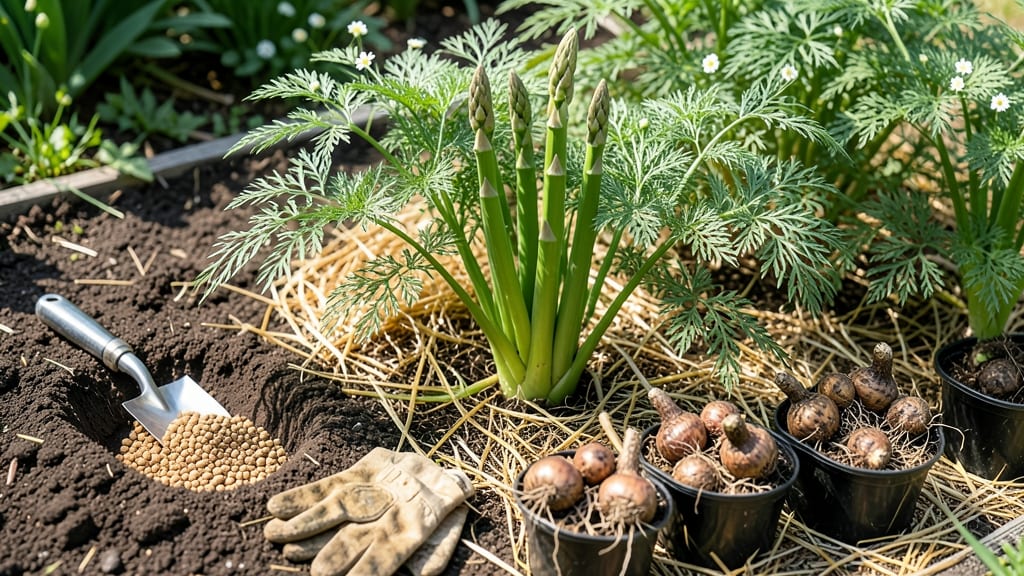
Planting asparagus in Oregon between March and April gives your crowns the best shot at thriving 🌱—but get the timing wrong, and you’ll either lose them to frost or miss the narrow window for strong root growth.
Oregon’s 7b-9a climate throws curveballs: coastal areas stay cooler longer, while inland zones like the Willamette Valley warm up faster. Too early, and a late frost will crisp your young shoots; too late, and the plants won’t establish before summer’s heat sets in.
Here’s how to nail the perfect planting window for your microclimate, from soil prep to the first signs of spear emergence—plus how to adjust for Oregon’s unpredictable spring.
You’ll also discover why soil temperature matters more than calendar dates, how to spot the ideal planting conditions, and the one mistake that kills asparagus before it even starts.
Best planting months for asparagus in Oregon’s climate zones
Oregon’s diverse climate—from the mild coastal regions to the colder inland valleys—creates unique challenges for planting asparagus crowns. Unlike many vegetables, asparagus thrives when planted in early spring before soil warms too much, but timing varies by USDA zone.
In Zone 7b (Eastern Oregon), wait until late March when soil reaches 50°F, while Zone 9a (Southern Oregon) allows planting as early as February. The key is avoiding late frosts that can damage young shoots.
I’ve planted asparagus in both the Willamette Valley and Central Oregon high desert, and the difference in frost dates is staggering. Coastal areas like Astoria have fewer frost risks than Bend, where hard freezes can linger into May.
For reliable success, align your planting with your local last frost date—typically mid-March for most of Oregon.
Soil temperature is non-negotiable for asparagus. Crowns rot if planted in cold, wet soil, but they also struggle if soil is too warm before roots establish. Aim for 50-60°F soil temps, which usually aligns with March-April in Zone 8 (where Portland resides).
Use a soil thermometer to verify—this small tool saves hours of guesswork.
Here’s how Oregon’s microclimates break down for asparagus planting:
🌱 Oregon Asparagus Planting Guide by USDA Zone
| Zone | Ideal Planting Window | Soil Temp Requirement | Frost Risk | Regional Notes |
|---|---|---|---|---|
| 7b (Eastern OR: Bend, La Grande) | Late March–Early April | 50–55°F | High (late frosts) | Wait for consistent 50°F+ nights; use row covers if frost threatens. |
| 8a (Willamette Valley: Salem, Eugene) | Mid-March–Mid-April | 50–58°F | Moderate (occasional late frosts) | Plant 1-year crowns in trenches; mulch heavily to retain warmth. |
| 8b (Portland, Corvallis) | Early March–Early April | 50–60°F | Low (mild winters) | Best for early harvests—spears emerge faster in warmer microclimates. |
| 9a (Southern OR: Medford, Ashland) | February–Early March | 55–60°F | Minimal | Plant earlier but monitor for heat stress if soil warms too fast. |
In the Willamette Valley, where I’ve grown asparagus for years, March is the sweet spot. The soil warms steadily, and the risk of hard frosts drops significantly after March 15th.
I’ve seen neighbors plant as late as April, but their yields suffer because the crowns struggle to establish before summer heat sets in. For Eastern Oregon, delay until late March—trust me, rushing it leads to rotten crowns.
One trick I swear by? Planting asparagus crowns in trenches. Dig a 12-inch-deep trench, lay the crowns on the bottom, then cover with 3–4 inches of soil. This mimics natural growth patterns and keeps roots cool.
Fill the trench gradually over 2–3 years—this method works wonders in Oregon’s variable soils, from sandy coastal areas to clay-heavy valleys.
If you’re in Zone 9a, like Southern Oregon, you can push planting to February, but watch for early warming. Soil temps above 65°F can stress young crowns.
I once planted in Medford in late January, and the crowns wilting within days—don’t make that mistake! Use a shade cloth if planting early to slow soil warming.
For coast
Signs your Oregon soil is ready for asparagus planting
Asparagus thrives in Oregon’s cool, well-drained soil, but timing your planting depends on more than just the calendar. The key is watching for soil temperature and moisture cues that signal it’s time to plant.
Unlike many vegetables, asparagus crowns need consistent warmth (above 50°F) to establish roots without rotting—so don’t rush into the garden too early.
Start by checking your local frost dates. In most of Oregon, the last frost typically occurs around mid-March, but coastal areas like the Willamette Valley may see frost as late as April.
Wait until 3-4 weeks after your region’s last frost before planting, as asparagus crowns are frost-sensitive during early growth stages.
⚠️ callout-warning ⚠️
Cold soil (below 50°F) causes root rot in asparagus crowns. Test soil readiness with the finger test: Push your finger 2-3 inches deep—if the soil feels cool but not icy and crumbles easily, it’s time to plant. Coastal Oregon gardeners should wait until late March or early April to avoid spring frost surprises.
🌱 Pro Tip: Use a soil thermometer (or a reliable digital meat thermometer) to confirm 50°F+ soil temps at 4-inch depth.
Next, assess soil moisture. Asparagus prefers consistently moist (not soggy) soil during its first growing season. Before planting, dig a 6-inch-deep hole and fill it with water.
If the water drains within 2-4 hours, your soil has good drainage. If it pools or takes longer, amend with compost or sand to improve aeration.
Look for visible signs of soil readiness in your garden bed. Healthy soil for asparagus will have:
- Dark, crumbly texture (not compacted)
- Earthy smell (no chemical or rotten odors)
- Visible earthworms (indicates healthy microbial activity)
Finally, consider Oregon’s microclimates. Inland areas like Bend or Pendleton can plant as early as late February when soil warms faster, while coastal regions should hold off until April.
Even within the Willamette Valley, elevated gardens (like those in Corvallis) may need to wait an extra week compared to lower-lying areas.
Once you’ve confirmed warm soil, good drainage, and moisture balance, your asparagus crowns will establish roots quickly. Plant them 6-8 inches deep in trenches filled with loose soil—this mimics their natural woodland understory habitat and encourages strong spear growth.
With these signs checked off, you’re ready for a productive asparagus patch that will reward you for years!