
Plants
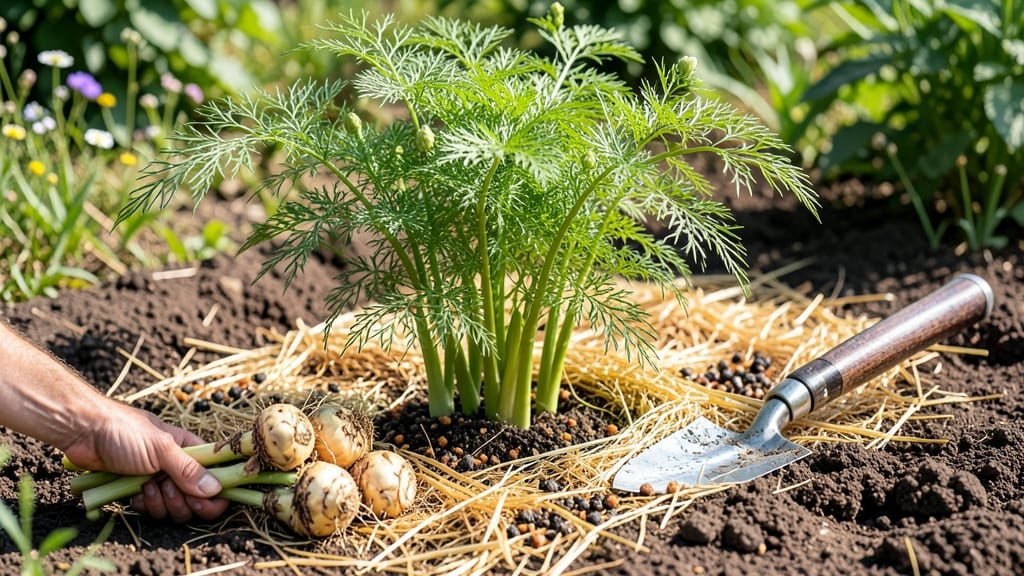
Plant asparagus in Texas when the soil reaches 60°F and the last frost has passed — typically February to early March in North Texas, and January to February in Central and South Texas.
Texas gardeners know timing is everything—plant asparagus too early, and a late frost can wipe out your crop; too late, and you’ll miss the ideal growing window. Mastering the frost-free timeline for Texas zones ensures your asparagus crowns thrive from the first spear.
This perennial favorite needs full sun and well-draining soil to establish strong roots before summer’s heat sets in. The key is preparing the bed early, so the crowns can settle in before the 90°F+ days arrive.
In this guide, I’ll break down the exact planting windows by zone, soil prep tips for Texas clay, and how to extend your harvest season—even through the dog days of summer.
Texas asparagus planting calendar by frost zone: exact dates for success
Planting asparagus in Texas requires precision—your frost zone dictates the perfect window to avoid late spring freezes that can devastate young crowns. Unlike northern states, Texas gardeners must also account for soil temperature thresholds (ideal: 60°F+) before planting.
Miss these cues, and you’ll struggle with poor establishment or stunted growth.
Texas spans three distinct frost zones (7b-9b), each with unique planting deadlines. North Texas (Zones 7b-8a) faces the highest frost risk, while South Texas (Zones 9a-9b) enjoys year-round growing potential.
Below, I’ve mapped out the exact dates for each zone, including soil prep timelines and heat tolerance strategies to maximize your harvest.
🌱
| Texas Zone | Last Frost Date | Ideal Planting Window | Soil Temp Threshold | Key Considerations |
|---|---|---|---|---|
| North Texas (7b-8a) | March 15-April 15 | February 15-March 15 | 60-65°F | High frost risk; use row covers if planting early |
| Central Texas (8a-8b) | January 1-February 15 | January 1-February 28 | 65-70°F | Warmer soils; prioritize moisture retention |
| South Texas (9a-9b) | None (year-round) | September-October or February-March | 70-75°F | Heat-tolerant varieties recommended; summer dormancy likely |
For North Texas gardeners (Zones 7b-8a), the critical window is February 15 to March 15. Planting earlier risks frost damage—even a 28°F night can kill young crowns. Use a soil thermometer to confirm temperatures hit 60°F+ before planting.
In my Dallas garden, I’ve seen success with Jersey Knight crowns planted in late February, but only after amending the soil with compost to improve drainage.
Central Texas (Zones 8a-8b) offers a wider margin for error. You can plant as early as January 1, but aim for February to align with natural soil warming. The key here is water management—Central Texas soils dry out quickly.
I recommend drip irrigation to maintain consistent moisture during establishment. In Austin, my Mary Washington asparagus thrives when planted in early February, with mulch applied immediately to lock in moisture.
South Texas (Zones 9a-9b) is the golden zone for asparagus. With no frost risk, you can plant in two waves: September-October for a spring harvest or February-March for a fall harvest. However, summer heat can trigger dormancy, so choose heat-tolerant varieties like Purple Passion.
In Houston, I’ve had success with fall-planted crowns producing spears as early as March, but I always shade young plants during peak summer to prevent stress.
Regardless of your zone, soil preparation is non-negotiable. Asparagus crowns need well-draining soil with a pH of 6.5-7.5. In Texas’s clay-heavy soils, I mix in sand and compost to improve aeration.
For North Texas, I also add organic matter like leaf mold to retain moisture during dry spells. Central and South Texas gardeners should focus on mulching to combat evaporative loss.
Pro tip: Mark your calendar for the first harvest, which typically occurs 2 years after planting. In Texas, this often aligns with late spring (March-April) for North and Central zones, and early spring (February-March) for South Texas.
Once established, asparagus can produce for 15+ years, making precise planting timing your long-term investment.
🌿
How to prepare asparagus beds in Texas for year-round harvests
Texas's clay-heavy soils and intense heat demand special prep to grow asparagus successfully. Unlike cooler climates, Texas gardens need amended soil and deep watering to prevent crown rot and ensure year-round harvests. Start with a well-draining bed—this is critical for preventing waterlogged roots that asparagus hates.
Asparagus crowns thrive in loamy, slightly acidic soil (pH 6.5-7.0). Test your soil first—Texas clay often tests alkaline. Amend with composted manure or peat moss to improve texture and fertility. Mix in sand or perlite to break up compaction, ensuring roots can spread easily for those plump spears you crave.
Here’s the non-negotiable step most Texas gardeners skip: deep tilling. Dig at least 12 inches deep to loosen the clay. Asparagus roots grow deep—up to 2 feet—so compacted soil will stunt their growth. Work in aged compost or well-rotted manure to feed the roots over time.
🌱 Texas Planting Pitfall
Planting asparagus too deep in Texas’s heavy clay causes rotten crowns. Bury crowns only 6 inches deep—any deeper, and they’ll suffocate. Use a raised bed if your native soil is too dense to amend properly.
Texas’s mercurial weather means irrigation is key. Asparagus needs 1-1.5 inches of water weekly, but drip irrigation is best—it keeps foliage dry and prevents fungal diseases like rust.
Water early morning to reduce evaporation. Mulch with straw or wood chips to retain moisture and regulate soil temperature, especially during 100°F+ heat waves.
Don’t forget fertilizer timing. Apply a balanced 10-10-10 fertilizer in early spring when shoots emerge, then switch to a low-nitrogen formula (like 5-10-10) once spears form. Over-fertilizing with nitrogen leads to leafy growth at the expense of spears—your goal is harvestable stems, not foliage.
For year-round harvests, stagger planting dates. In North Texas (Zones 7b-8a), plant crowns in February-March; in South Texas (Zones 9a-9b), plant in January-February to avoid summer dormancy. Succession planting ensures spears appear spring through fall, even in Texas’s heat.
Finally, avoid these Texas-specific mistakes: Skipping soil tests, planting in low spots (water pools after rain), or using fresh manure (burns roots). With the right prep, your asparagus bed will reward you with harvests for 15+ years—far longer than most Texas vegetables! 🌱