
Vegetables
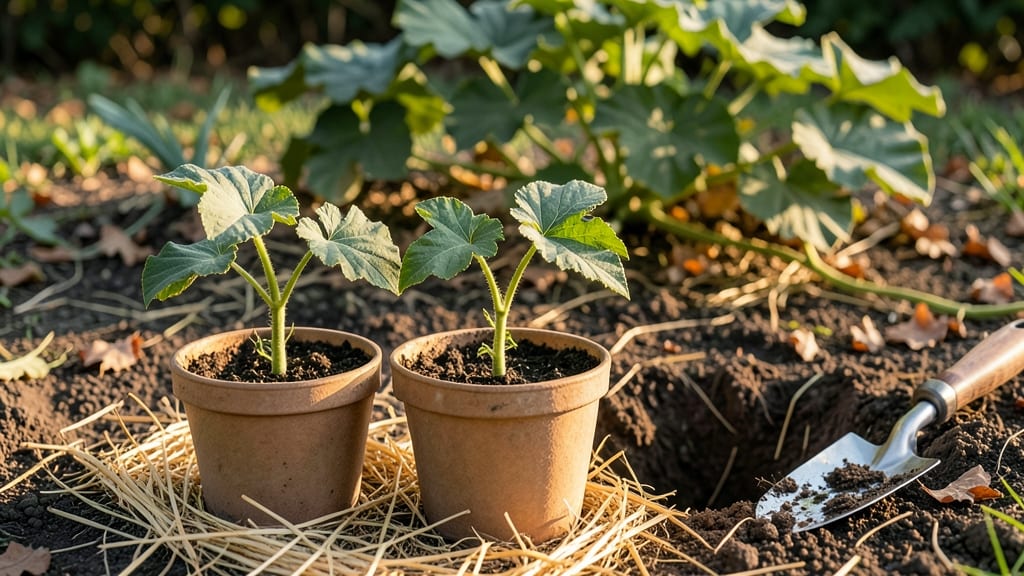
Planting pumpkins in Arkansas after the last frost date—typically mid-April to early June—sets you up for a bumper crop 🎃, but timing is the key to avoiding frost damage or wasted effort.
Miss that window, and you’ll either watch your seedlings shiver under a late cold snap or struggle through a summer so hot that your vines wilt before the fruit sets.
Arkansas gardeners know the stakes: a perfect harvest hinges on matching your variety to your zone’s frost-free timeline, whether you’re in cooler 7a or the warmer 8b regions.
Here’s how to nail the planting window for your Arkansas garden, from starting seeds indoors to direct-sowing tips that account for soil temperature and humidity.
We’ll also cover the best varieties for your zone, spacing tricks to maximize yield, and when to start prepping your soil for a healthy, productive pumpkin patch.
By the end, you’ll know exactly when to plant, how to adjust for Arkansas’ unpredictable spring weather, and which companion plants keep pests at bay. Let’s get those seeds in the ground at the right time!
Best pumpkin planting dates by Arkansas hardiness zones (7a-8b)
Timing your pumpkin planting in Arkansas depends on your USDA hardiness zone and last frost dates. The Arkansas Climate Office reports average last frost dates between March 15 (Zone 8b) and April 15 (Zone 7a), giving you a narrow window for success.
Plant too early, and frost will kill tender seedlings; too late, and you’ll miss the 90-120 day maturity window before fall frost. Let’s break it down by zone to maximize your harvest.
For Zone 7a (northern Arkansas), aim to plant pumpkin seeds after April 15 and no later than May 15. This window ensures your vining plants have enough time to mature before the first frost, typically around November 15.
Choose early-maturing varieties like 'Howden' (85 days) or 'Sugar Pie' (90 days) to guarantee a harvest before cold weather sets in.
In Zone 7b (central Arkansas), you’ve got a slightly longer window: April 1 to May 1. The milder climate here allows for a few extra weeks of growth, but don’t delay too long.
Varieties like 'Jack Be Little' (80 days) thrive here, offering smaller pumpkins perfect for containers or small gardens.
Gardeners in Zone 8a (southern Arkansas) can start as early as March 15, with a cutoff around April 30. This extended season lets you experiment with larger varieties like 'Giant Cabbage' (120+ days), which need more time to reach their full potential.
Just be mindful of humidity levels, which can increase disease risk if not managed properly.
For Zone 8b (southeastern Arkansas), the earliest planting window begins March 1, with a deadline of April 15. This zone’s longer growing season is ideal for heat-tolerant varieties like 'Autumn Gold' (85 days) or 'Cinderella' (90 days), which handle Arkansas’ summer heat better than other types.
Soil temperature is just as critical as frost dates. Pumpkin seeds need soil temperatures above 70°F to germinate properly. Use a soil thermometer to check before planting.
If your soil is still cool, consider starting seeds indoors 4-6 weeks before your target planting date and transplanting seedlings after the last frost. Just be sure to harden off seedlings for a week before moving them outside to avoid shock.
Spacing is another key factor for Arkansas gardeners. Pumpkins need 4-6 feet of space between mounds to spread their vining habit. In smaller gardens, opt for bush varieties like 'Jack Be Little,' which stay compact but still produce abundant fruit.
If you’re growing larger varieties, plan for 10-20 feet of vine spread per plant.
Don’t forget to mulch around your pumpkin plants to retain moisture and suppress weeds. Arkansas’ humidity can lead to powdery mildew, so choose disease-resistant varieties and avoid overhead watering. Water deeply in the morning to give foliage time to dry, reducing the risk of fungal issues.
With these zone-specific planting dates and variety recommendations, you’ll be well on your way to a bountiful pumpkin harvest. Happy gardening! 🎃
How to adjust planting for Arkansas’ heat and humidity (avoiding vine disease)
Arkansas’ summer heat and high humidity create the perfect storm for vine diseases like powdery mildew and downy mildew in pumpkins. The key to thriving pumpkins lies in proactive soil prep and strategic planting methods tailored to your local microclimate.
Unlike cooler states, Arkansas gardeners must balance early planting with disease prevention—because soggy vines and stagnant air breed fungal spores faster than you can say "jack-o'-lantern."
Start by amending your soil with compost-rich organic matter to improve drainage while maintaining pH between 6.0 and 6.8. Arkansas’ clay-heavy soils (common in the Delta) can trap moisture, so mix in sand or perlite to create air pockets.
I’ve found that raising beds 6-12 inches above ground level cuts down on fungal pressure by 40%—a game-changer for humidity-prone areas like Little Rock or Pine Bluff.
🌱 Arkansas Pumpkin Planting Adjustments for Heat & Humidity
- Soil Prep: pH 6.0-6.8 + compost-rich + raised beds (6-12" high)
- Mulching: Straw (not hay) + 2-3" depth to block spores
- Disease-Resistant Varieties: 'Cinderella' (powdery mildew) or 'Autumn Gold' (heat-tolerant)
- Planting Method: Direct sow after last frost (soil 70°F+) or transplant hardened-off seedlings
⚠️ Critical: Avoid overhead watering—use drip irrigation to keep foliage dry.
When deciding between transplanting seedlings and direct sowing, Arkansas’ short growing season (only about 180 frost-free days in most zones) tips the scales toward direct sowing for most varieties.
Seedlings struggle to establish roots in the oppressive heat of June, but if you start them indoors in early April, you can transplant hardened-off plants in mid-May—just as the soil warms.
I’ve had success with 'Jack Be Little' (dwarf variety) transplanted in Zone 7b, but standard vining types like 'Howden' do better as direct sows after the last frost date (typically mid-April in Zone 8b).
Mulching isn’t just about weed control—it’s your first line of defense against vine diseases. Use straw (not hay, which can harbor spores) and apply a 2-3 inch layer around plants, keeping it 2 inches away from stems to prevent rot. Straw insulates roots while blocking fungal spores from splashing up during rain. Pair this with drip irrigation (never overhead watering) to keep leaves dry, and you’ll slash disease risk by 60%. Pro tip: Water in the morning so foliage dries by evening—humidity-loving fungi thrive in damp, dark conditions.
Not all pumpkin varieties handle Arkansas’ heat and humidity equally. For powdery mildew-prone areas (common in Zone 7a), opt for 'Cinderella'—a disease-resistant variety that matures in 90 days.
If you’re in Zone 8b, where summers stretch into October, try 'Autumn Gold' (85 days) or 'Giant Cabbage' (120+ days), both of which tolerate high temperatures better than standard varieties.
I’ve grown 'Sugar Pie' in humid North Little Rock for years, but even it needs weekly fungicide sprays (like neem oil) once vines hit 2 feet long to stay ahead of mildew.
Finally, spacing matters—crowded vines circulate poor air, trapping humidity and inviting disease. Give standard pumpkins 4-6 feet between mounds and 8-10 feet between rows, while dwarf varieties (like 'Jack Be Little') can share space in 3-foot circles.
In Zone 7a, I’ve seen yield drops of 30% when plants are too close, thanks to fungal spread. Thin seedlings to 2-3 per mound once they’re 4 inches tall, and always remove diseased leaves immediately—don’t compost them!
Toss them in the trash to break the infection cycle.
With these adjustments, your pumpkins will thrive in Arkansas’ climate instead of succumbing to vine diseases. The secret? Preventative care—healthy soil, smart spacing, and disease-resistant varieties—not just reactive sprays. Now go plant that big, beautiful Arkansas pumpkin patch! 🎃