
Vegetables
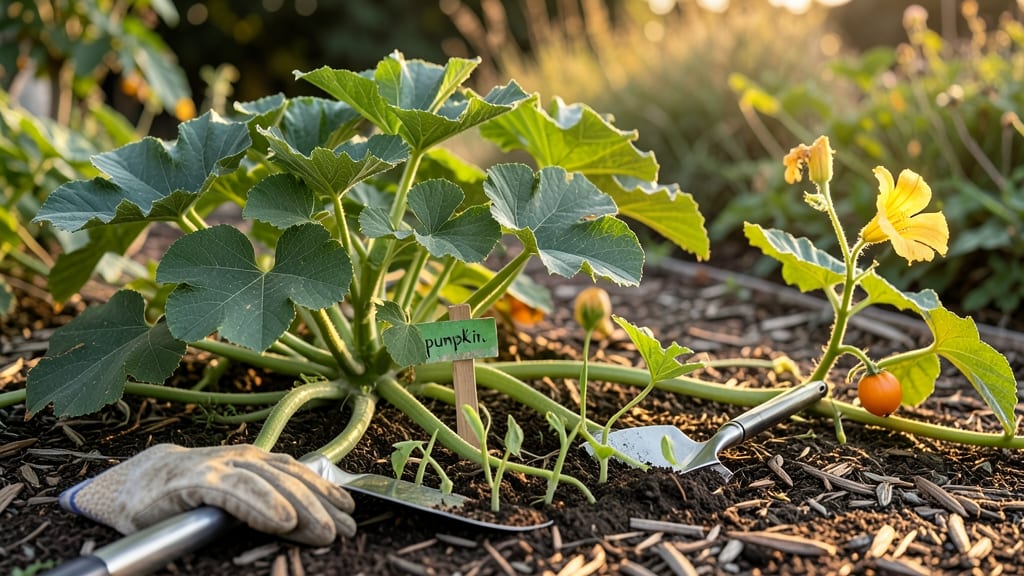
Start planting pumpkins when soil temperatures reach 50°F–60°F, a window that varies wildly depending on your zone and whether you’re direct-sowing or transplanting.
Get this wrong, and you’ll either watch your seeds rot in cold soil or rush to plant before the last frost—both mistakes I’ve made more times than I’d like to admit. The key is balancing warmth and timing, especially for 🎃 varieties that need 75–120 days to mature.
In Zone 6a (like much of the Midwest), that means waiting until mid-April to early May, but in warmer climates, you might start as early as March. Even a 5°F swing can turn a great harvest into a bust.
Below, I’ll break down the exact soil temps, variety-specific schedules, and how to adjust for your local frost dates—so you can go from seed to pumpkin patch without the guesswork.


Optimal soil temperature ranges for planting pumpkins by region
Getting the soil temperature right is critical when planting pumpkin seeds. These warm-season plants won't germinate well in cold soil, so timing depends on your USDA hardiness zone and local microclimates.
The ideal range for direct sowing is between 50°F and 60°F, but cooler soils can delay germination by weeks. In northern climates, this often means waiting until late May or early June, while southern gardeners can start as early as March.
For transplants, you can plant slightly earlier—around 55°F to 70°F—since young plants have more resilience. However, even transplants struggle if nighttime temperatures dip below 50°F. Always check soil temps with a thermometer rather than relying on air temperature, as soil heats up more slowly.
A 3-inch-deep reading gives the most accurate gauge for pumpkin germination.
Here’s a quick reference for soil temperature requirements across different regions, including adjustments for northern vs. southern climates:
| Region | USDA Zones | Ideal Soil Temp for Direct Sowing | Best Planting Window | Microclimate Tips |
|---|---|---|---|---|
| Northern (Cool Climates) | 3-6 | 55°F–65°F (wait for 50°F minimum) | Late May–early June | Use black plastic mulch to warm soil faster; avoid low-lying areas. |
| Midwest (Temperate) | 6-8 | 50°F–60°F (germination slows below 50°F) | Early May–mid-May | Plant on south-facing slopes for earlier warmth; cover seeds with row fabric if nights are chilly. |
| Southern (Warm Climates) | 9-11 | 60°F–70°F (can start as early as March) | February–April | Avoid planting too early in humid areas (risk of fungal diseases); use shade cloth if summer heat exceeds 90°F. |
| Southwest (Arid) | 7-10 | 55°F–65°F (water soil before planting) | March–April | Mulch heavily to retain moisture; plant in late afternoon to reduce heat stress. |
In northern climates, where frost lingers later, consider starting seeds indoors 4-6 weeks before your last frost date. Transplant seedlings outdoors only after soil reaches 60°F and nighttime temps stay above 50°F.
Hardened-off seedlings handle cooler soil better than direct-sown seeds, giving you a 2-3 week head start on the growing season.
For southern gardeners, the challenge shifts to avoiding summer heat. Plant early-season varieties in late winter to harvest before temperatures exceed 90°F. Succession planting every 2 weeks ensures a continuous harvest.
If your area has humid summers, opt for disease-resistant varieties like 'Cinderella' or 'Autumn Gold', which tolerate warm, moist conditions better.
Microclimates play a huge role in soil temperature variations. A south-facing slope can warm up 5-10°F faster than a shaded garden bed, while low-lying areas stay cooler longer. Use a soil thermometer to test multiple spots in your garden before planting.
If your soil runs cold, try raised beds or black plastic mulch to raise temperatures by 5-15°F.
Pro tip: If you’re in a transition zone (like USDA Zone 7), monitor 7-day forecasts for warm spells. Plant seeds when a 3-day stretch above 60°F is predicted, even if soil temps are borderline. Pumpkin seeds germinate best with consistent warmth, so avoid planting during unpredictable weather shifts.
Remember, pumpkin vines thrive in heat, but they need a strong start. If your soil is too cold, seeds may rot or fail to sprout.
Use a seedling heat mat for direct sowing in cool soils, or wait until conditions are ideal. Patience now means bigger, healthier pumpkins later in the season!
Best pumpkin varieties and their planting timelines
Choosing the right pumpkin variety and planting at the perfect time ensures a bountiful harvest. Fast-maturing varieties like 'Jack Be Little' (90 days) are ideal for short seasons, while long-season types like 'Howden' (120 days) need an early start.
Your local frost dates and growing zone determine the best planting window for each type.
For a 90-day harvest, plant seeds after your last frost date when soil reaches 60°F. Medium varieties like 'Sugar Pie' (100 days) can handle slightly cooler soils (55°F) but still need warm air temperatures. Long-season varieties require 65°F soil and an extended growing season.
If you're in Zone 6 or warmer, adjust planting dates by 2–4 weeks earlier. For example, 'Jack Be Little' can start as early as April 15 in Zone 7.
Always check your local frost-free date and count backward from your target harvest month to set the perfect planting schedule.
For northern climates, consider starting seeds indoors 4–6 weeks before the last frost date. Transplant seedlings outdoors only after soil warms to 60°F and night temperatures stay above 50°F. This extra head start helps long-season varieties like 'Howden' reach maturity before frost.
In southern regions, you can plant year-round with staggered sowings every 2–3 weeks for continuous harvests. Use shade cloth during peak summer heat to protect young plants from bolting or sun stress. Always monitor soil moisture—pumpkins need 1–2 inches of water weekly.
Pro tip: Mark your calendar with 3 key dates—planting day, first flowering, and harvest deadline. This keeps you on track for a successful pumpkin harvest every season. Happy planting! 🎃