
Vegetables
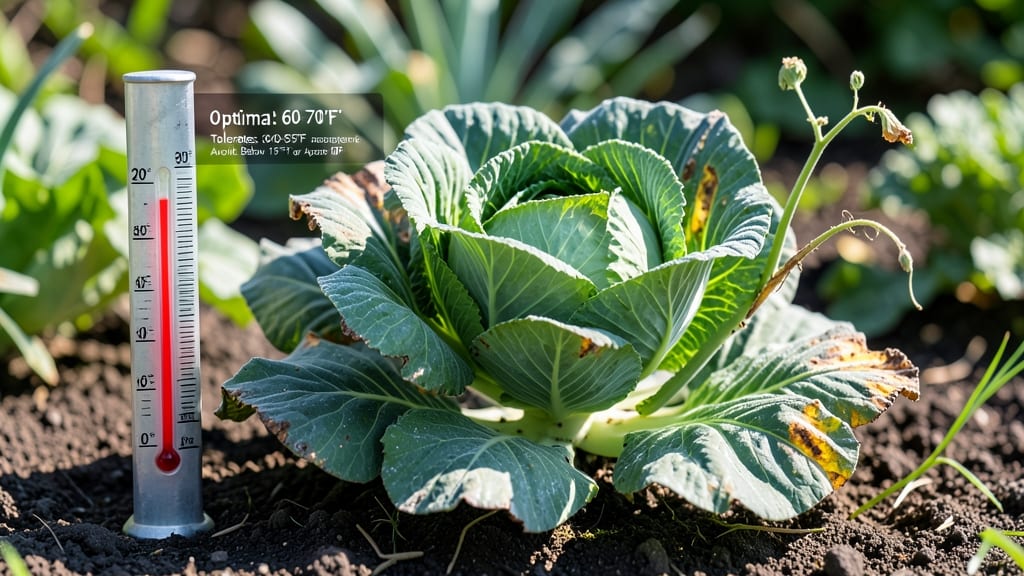
Cabbage tolerates temperatures that would freeze most vegetables solid—down to 20°F for mature plants, though seedlings need gentler care.
Picture this: a hard frost rolls in, and your 🥬 cabbage not only survives but keeps growing, while neighboring greens turn to mush. That’s the magic of cabbage’s cold hardiness—but there’s a catch.
Seedlings, for example, can’t handle anything below 40°F, which is why timing your spring and fall plantings matters.
In this guide, you’ll learn the exact temperature ranges for each growth stage—from germination to harvest—and how to shield your plants from late-season freezes or scorching summer heat. No more guessing whether your cabbage will make it through winter or bolt in the heat.
We’ll also share the top cold-resistant varieties that thrive in USDA Zone 6a and beyond, plus simple tricks like mulching and row covers to extend your harvest well into fall—or even winter. Ready to grow cabbage that laughs at frost?
Cabbage temperature tolerance: ideal growing ranges vs. freezing limits
Cabbage is a cool-season crop that loves crisp air but struggles when temperatures swing too far from its comfort zone. Understanding what temperature can cabbage tolerate is key to growing healthy plants that yield sweet, flavorful heads.
While cabbage thrives in moderate climates, it has distinct limits—especially when it comes to freezing temperatures and extreme heat. Let’s break down the ideal ranges and how to protect your plants when winter bites.
The ideal temperature range for cabbage falls between 60°F and 70°F during the day and 50°F to 55°F at night. These conditions encourage steady growth without stress.
However, cabbage is remarkably adaptable, tolerating cooler temperatures better than most vegetables. Young seedlings, though, are far more sensitive than mature plants, making early-season care critical for success.
Here’s a quick reference for cabbage temperature tolerance across growth stages, including how cold-hardy varieties like Savoy and January King compare to standard types:
| Stage | Ideal Day Temp (°F) | Ideal Night Temp (°F) | Freezing Limit (°F) | Cold-Hardy Varieties | Notes |
|---|---|---|---|---|---|
| Seedlings | 55°F - 65°F | 45°F - 50°F | 28°F (damage risk) | January King, Tundra | Use row covers for protection |
| Mature Plants | 60°F - 70°F | 50°F - 55°F | 20°F (survives briefly) | Savoy, Drumhead | Mulch heavily for winter |
| Harvest Stage | 50°F - 60°F | 40°F - 45°F | 25°F (quality declines) | All varieties | Harvest before frost for best flavor |
| Heat Stress | Above 85°F | N/A | N/A | None | Causes bolting; use shade cloth |
Cabbage’s freezing tolerance varies by variety and growth stage. While mature plants can survive brief dips to 20°F, seedlings are far more delicate and will suffer damage below 28°F. This is why cold-hardy varieties like Savoy and January King are prized—they handle frost better than standard types.
For example, Savoy cabbage’s crinkled leaves trap heat, offering extra protection in chilly conditions.
If you’re growing cabbage in USDA zones 3-5, focus on late-summer or early-fall plantings to avoid early frosts. In warmer zones (6-8), you can extend the season into winter with protective measures like mulching or row covers.
The key is to monitor weather forecasts and act before temperatures drop below 32°F for extended periods.
Heat stress is another critical factor. Cabbage struggles when daytime temperatures exceed 85°F, leading to bolting (premature flowering) and bitter flavors. If you’re in a hot climate, opt for shade cloth or grow cabbage in partial shade during peak summer months.
Varieties like Golden Acre are better suited for warmer conditions than traditional green cabbages.
For fall and winter harvests, timing is everything. Plant cabbage 8-10 weeks before your first frost date to ensure heads mature before cold sets in. If frost threatens before harvest, cover plants with frost blankets or move potted cabbages to a sheltered location.
Even a light frost can improve cabbage’s sweetness, but prolonged freezing will ruin the texture and flavor.
Pro tip: Mulch with straw or leaves to insulate the soil and protect roots from temperature swings. This simple step can make the difference between a thriving crop and a failed harvest. Pair mulching with drip irrigation to maintain consistent moisture, which is crucial for cold-stressed plants.
By understanding what temperature can cabbage tolerate and adjusting your growing strategies, you can enjoy fresh, homegrown cabbage well into the cooler months—even when winter threatens. Whether you’re a seasoned gardener or a beginner, these temperature guidelines will help you grow cabbage that’s both hardy and delicious.
How to protect cabbage from freezing: practical cold-weather gardening tips
Cabbage plants love cool weather, but when temperatures drop below 25°F (-4°C), even the hardiest varieties struggle. The key to winter success lies in understanding your plants' limits and acting before frost strikes.
I've learned from years of trial-and-error gardening that a little preparation can mean the difference between a thriving harvest and a sad, wilted mess. Let's explore the best ways to shield your cabbage from freezing while keeping your garden organic and sustainable.
One of the first things I check when preparing for cold weather is my local frost dates. Planting 8-10 weeks before the first frost gives cabbage enough time to mature, but if you're in a colder climate, you'll need extra protection.
For example, in USDA Zone 5, where I garden, I start my fall cabbage in late July to harvest before hard freezes. Adjusting your planting schedule based on your zone is the first step to avoiding frost damage entirely.
Mild Frost: Cabbage can handle light frosts down to 28°F (-2°C) with minimal damage, especially mature plants. Young seedlings and transplants are more sensitive—keep them above 32°F (0°C) for best survival.
Hard Freeze: Temperatures below 25°F (-4°C) will damage or kill most cabbage varieties unless protected. Extreme Cold: Below 20°F (-7°C) requires heavy insulation or harvest before exposure.
Critical Tip: Always monitor your local 5-day forecast—sudden cold snaps can catch even prepared gardeners off guard!
My go-to method for protecting cabbage is mulching with straw or leaves. A thick layer—4-6 inches deep—insulates the soil and keeps roots warm. I use straw because it breaks down slowly and adds organic matter, but shredded leaves work too.
For extra protection, I top the mulch with a floating row cover made from lightweight fabric. This combo has saved my cabbage through 20°F (-7°C) nights without any damage. Just make sure the fabric doesn't touch the leaves to prevent rot.
If you're dealing with a sudden cold snap, cloches or cold frames are lifesavers. I use plastic bell jars or store-bought cloches to trap heat around individual plants. For larger patches, a low tunnel covered with row fabric works wonders.
The secret is ventilation—leave the cover slightly open during the day to prevent overheating. I also water the soil before covering to release heat as it freezes, which adds a few extra degrees of protection.
Recognizing frost damage early is crucial. Look for blackened or mushy leaves, especially on the outer edges of the head. If the damage is superficial, the plant might recover, but if the core is affected, it's time to harvest.
I've found that Savoy cabbage varieties often bounce back better than smooth-leaf types because their crinkled leaves trap more heat. For severe damage, I pull the plant and use the remaining leaves in soups or stir-fries—nothing goes to waste in my garden!
For gardeners in USDA Zones 3-4, consider overwintering cabbage with extra care. I plant cold-hardy varieties like 'Tundra' or 'January King' and cover them with straw bales or thick mulch before the ground freezes.
These varieties can survive 15°F (-9°C) with proper insulation, giving you a harvest even in winter. Just be patient—growth slows dramatically in cold weather, so don't rush to harvest until the heads are fully formed.