
Vegetables
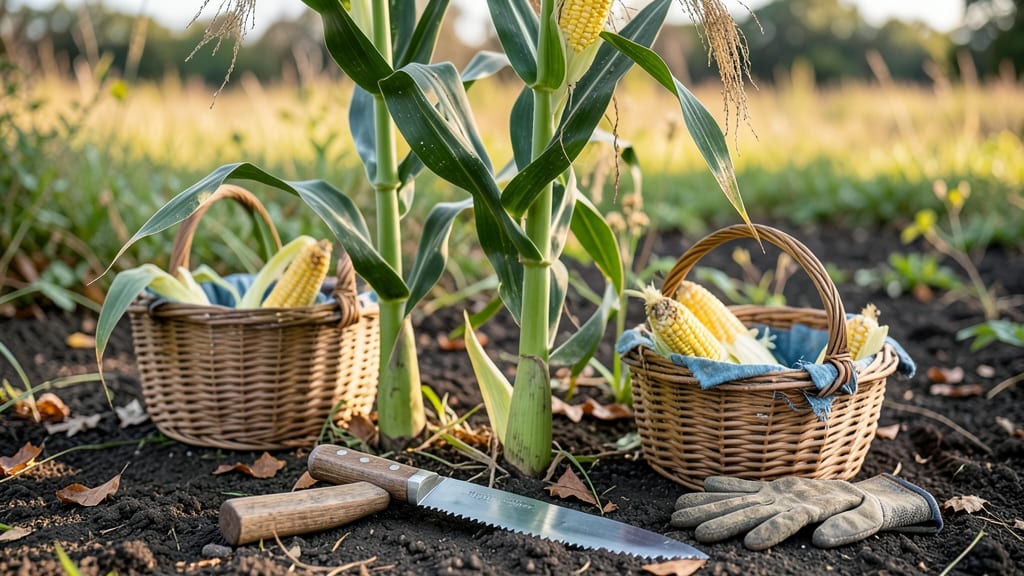
Sweet corn thrives in Florida’s warm climate during the sweet corn season in Florida 🌽, but planting it at the wrong time can turn your garden into a sad, starchy disappointment.
Florida gardeners know that timing is everything—and missing the optimal window could mean poor yields or even total failure. With the right planting zones and precise harvest schedules, you can enjoy homegrown corn straight from your garden all year round.
Unlike northern states, Florida’s frost-free growing season means you can plant sweet corn twice a year, but heat and humidity bring their own challenges. The key is knowing exactly when to start seeds, how to protect plants from pests, and when to harvest for peak sweetness.
Below, I’ll break down the exact planting and harvest timelines for Florida’s 9a-11 zones, plus 5 pro tips to extend your corn season beyond the usual peak months. Ready to turn your garden into a cornucopia?
Florida sweet corn planting zones: Best regions & months for maximum yield
Florida’s warm climate makes it possible to grow sweet corn year-round, but success hinges on understanding your planting zone and microclimate. Unlike northern states, Florida’s USDA zones 9a-11 eliminate frost concerns, but heat and humidity still demand precise timing.
Whether you’re in North Florida’s cooler hills or South Florida’s tropical coast, knowing the right months to plant can triple your yield.
For most Florida gardeners, the ideal planting windows are March-April for spring and August-September for fall. However, these dates shift slightly based on your region—North Florida can plant 2-3 weeks earlier than South Florida due to cooler spring temperatures.
Urban gardens may also face microclimate challenges like heat islands or limited airflow, requiring adjustments to traditional schedules.
Soil temperature is the critical factor for germination. Sweet corn seeds won’t sprout reliably until soil reaches 60°F (15°C). In North Florida, this typically happens by mid-March, while South Florida may wait until late February due to slower cooling.
Always check soil temp with a soil thermometer—planting too early can lead to poor germination or stunted growth.
Microclimates play a huge role in Florida’s diverse regions. Coastal areas like Miami or Fort Myers experience higher humidity and warmer nights, which can stress corn plants if not managed. Meanwhile, rural inland zones (e.g., Ocala or Gainesville) have lower humidity but may face hotter daytime temps. Urban gardens in Tampa or Orlando often act as heat islands, requiring shade cloth during peak summer months.
Here’s how Florida’s three main regions differ in their optimal planting schedules, soil prep, and microclimate considerations:
Urban gardeners in cities like Miami or Jacksonville often face heat island effects, where pavement and buildings trap heat. To combat this, I recommend planting shade-tolerant varieties like ‘Ambrosia’ or ‘Silver Queen’ and using 30-50% shade cloth during May-September.
Rural areas, on the other hand, benefit from natural airflow, allowing for denser plantings and longer harvest windows.
Another key factor is soil preparation. Florida’s sandy soils drain too quickly for sweet corn, so amending with 2-3 inches of compost or well-rotted manure is essential. Aim for a pH of 6.0-6.
Exact sweet corn harvest timelines in Florida: when to pick for peak sweetness
Harvesting sweet corn at the perfect moment means the difference between tender, juicy kernels and tough, starchy ears. In Florida’s warm climate, timing is even more critical due to rapid growth cycles and heat stress risks.
Most varieties reach maturity in 60-90 days, but environmental factors like humidity and afternoon heat can accelerate or delay readiness.
To calculate your harvest window, start with your planting date and add the days to maturity listed on your seed packet. For example, if you planted Silver Queen (an early-season variety) on March 15, expect harvests around May 15-May 30.
Mid-season varieties like Peaches and Cream planted in April will be ready by June 20-July 5.
- Planting Window: February-March
- Harvest Window: April-June
- Best for: Cool-season escapes in North Florida
- Planting Window: March-April
- Harvest Window: June-July
- Best for: Peak summer production
- Planting Window: July-August
- Harvest Window: October-November
- Best for: Fall harvests before heat stress
- Temperatures above 90°F can reduce sweetness
- Harvest early morning to avoid heat damage
- Use shade cloth for late-season plantings
Florida’s high humidity can also affect harvest timing. If you notice silk turning brown but the ears feel soft or kernels appear watery, they may be overripe due to excess moisture. Always check for plump kernels and a husk that pulls back easily—these are your best indicators of peak sweetness.
For a staggered harvest, plant successive rows every 2 weeks during Florida’s planting windows. This ensures a continuous supply of fresh corn from May through November. In South Florida, you can even extend harvests into December with late-summer plantings and proper care.
Pro tip: Use a harvest knife to cut ears cleanly at the base, leaving the husk intact. This prevents kernel damage and keeps your plants producing. Store harvested corn in the fridge for up to 5 days or blanch and freeze for long-term storage.
Remember, Florida’s lack of frost means you can grow sweet corn year-round with careful planning. By mastering these harvest timelines, you’ll enjoy homegrown sweetness straight from your garden all season long. 🌽