
Vegetables
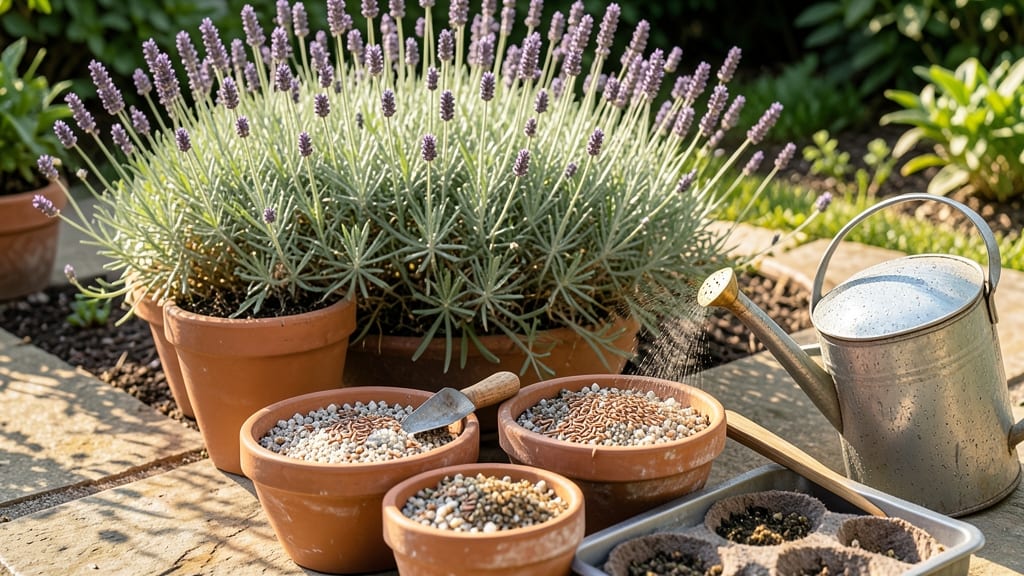
To grow lavender from seeds in pots, planting 1–2 seeds per container is the sweet spot for compact varieties, while larger types can handle 3–4 seeds—but spacing matters more than quantity.
Struggling to grow lush, fragrant lavender? The secret often lies in proper seed spacing—plant too many, and you’ll crowd out growth; too few, and your pot will look sparse. Discover the exact lavender seed-to-pot ratio for healthy, bushy plants that thrive year after year.
Most gardeners skip seeds entirely and use cuttings, but if you’re starting from scratch, pot size and soil drainage are just as critical as seed count. A 6-inch pot for dwarf varieties or a 12-inch pot for standard lavender ensures roots have room to spread without competing for nutrients.
Below, I’ll break down the best spacing by variety, how deep to plant those tiny seeds, and the light and moisture tricks that turn sparse seedlings into fragrant, bushy lavender—no guesswork required.
Ideal lavender seed spacing by pot size for maximum growth
Growing lavender from seeds is rewarding, but getting the seed-to-pot ratio right is crucial. Too many seeds in a small pot lead to crowded roots and weak plants, while too few leave space wasted.
The key is matching your lavender variety and pot size to ensure each seedling has room to thrive without competing for nutrients or sunlight.
Most gardeners overlook the fact that compact lavender varieties like 'Hidcote' or 'Munstead' need less space than English lavender varieties like 'Grosso' or 'Provence.' Even the pot's depth matters—lavender roots need room to grow downward, not just sideways.
Let’s break down the exact spacing for your containers to maximize growth and fragrance.
⚠️ Pro Tip: Lavender seeds are tiny—about the size of a poppy seed. Use a seed spacing tool or toothpick to place them precisely. Planting too deep (below 1/4 inch) can delay germination, while shallow planting ensures quick sprouting.
For 4-inch pots, stick to 1 seed per pot for compact varieties like 'Hidcote.' These pots are too small for English lavender, which needs more room to develop its robust root system. Always use pots with drainage holes—lavender hates soggy roots and will quickly rot if overwatered.
In 6-inch pots, you can fit 1-2 seeds for compact lavender or 1 seed for English varieties. Space seeds 1 inch apart if planting multiple in larger pots. This gives roots room to spread without competing. Use a well-draining cactus/succulent mix combined with perlite to prevent compaction.
When using 8-inch or larger pots, increase spacing to 2-3 inches between seeds for English lavender. These varieties mature taller and wider, so they need the extra room.
A 10-inch pot can comfortably hold 3-4 English lavender seeds, while a 12-inch pot can accommodate up to 5 compact seeds or 4 English seeds.
Depth is just as critical as spacing. Lavender roots grow deep, not wide, so ensure your pot is at least 4 inches deep for compact varieties and 6+ inches for English lavender.
Shallow pots restrict root growth, leading to stunted plants. If repotting, choose containers that are 2-3 inches larger in diameter than the current pot.
Place your pots in a location with full sun (6+ hours daily). Lavender is a sun-lover, and insufficient light leads to leggy growth and poor flowering. If growing indoors, position pots near a south-facing window or use grow lights for 12-14 hours per day.
Avoid placing pots in shaded areas, even during summer.
After planting, lightly water the soil to settle seeds but avoid oversaturating. Lavender seeds need consistent moisture during germination but drought-like conditions once established. Mulch with gravel or pebbles (not organic mulch) to retain moisture and deter weeds while allowing airflow to roots.
Monitor your seedlings closely. Once they reach 2-3 inches tall, thin them to the strongest plant per pot. Use clean scissors to sn
Common mistakes that stunt lavender growth (and how to fix them)
Lavender thrives when given the right conditions, but even small mistakes can leave your plants stunted or struggling. One of the biggest culprits is overcrowding, where too many seeds or plants compete for nutrients, sunlight, and space.
This leads to weak stems, sparse foliage, and fewer blooms—exactly what you don’t want from your fragrant herb.
Another common issue is poor soil drainage. Lavender roots despise soggy conditions, which can cause root rot and kill your plants before they even mature. Even if you’re using pots, compacted soil or lack of drainage holes can turn your container into a death trap for lavender.
Finally, inadequate light exposure is a silent growth killer. Lavender craves full sun, and even partial shade can result in leggy, weak plants that never produce those signature purple spikes. Without enough sunlight, your lavender may grow tall but floppy, with little fragrance or color.
⚠️ Seed Spacing Warning
For 4-inch pots, plant 1 seed max—any more crowds roots and stunts growth. In 6-inch pots, 2-3 seeds work, but thin to 1-2 plants once sprouted. 8-inch pots can handle 3-4 seeds, but prune aggressively to avoid competition.
To fix overcrowding, start by thinning seedlings when they’re 2-3 inches tall. Use clean scissors to snip unwanted stems at soil level, leaving the strongest plant per pot. For mature lavender, prune back overgrown stems by one-third in early spring to encourage bushier growth.
Improve drainage by amending your soil with perlite or coarse sand (20-30% of the mix) and ensuring pots have drainage holes. Elevate containers on feet or saucers to prevent water pooling. If repotting, choose containers with at least 12 inches of depth for mature lavender.
Boost light exposure by placing pots in the sunniest spot possible—south-facing windows or outdoor areas with 6+ hours of direct sun. If indoors, supplement with a grow light for 12-14 hours daily. Rotate pots weekly to ensure even growth and prevent leaning toward the light.
With these fixes, your lavender will reward you with vibrant blooms and a heady fragrance. Remember, lavender is drought-tolerant once established, so focus on light, space, and drainage—not frequent watering. Your fragrant garden is just a few adjustments away! 🌿