
Vegetables
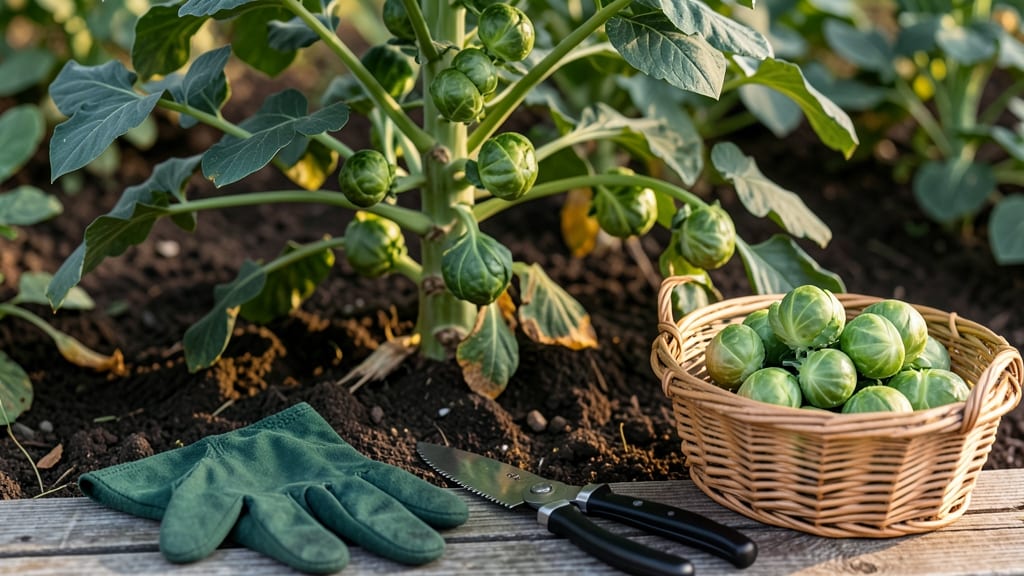
Brussels sprouts grow to harvest in 80 to 120 days, depending on the variety and growing conditions—so timing your planting is the key to a fall harvest full of crisp, flavorful buds.
If you’ve ever waited impatiently for those tiny green gems to form, you know how slow they can seem. But with the right approach, you can shave weeks off the timeline and enjoy homegrown 🥦 sprouts sooner than you think.
The fastest varieties, like 'Long Island Improved,' mature in as little as 85 days, while heirlooms like 'Jade Cross' take closer to 110 days. Cool weather speeds up growth, while heat stress can stall bud formation entirely—so planting in early spring or late summer is your best bet.
In this guide, I’ll break down the exact growth stages, how to track progress, and the simple tweaks that make a difference—whether you’re growing in a backyard, raised bed, or even containers.


Brussels sprouts growth timeline: days to harvest by variety
Brussels sprouts follow a predictable growth timeline, but the exact days to harvest depend heavily on the variety you choose. Fast-maturing types like 'Long Island Improved' can deliver edible sprouts in just 85 days, while heirlooms like 'Jade Cross' may take up to 110 days.
Understanding these stages helps you plan your garden for a fall harvest before the first frost.
All Brussels sprouts go through four key growth stages: seedling (10–14 days), transplant (30–45 days), bud formation (45–60 days), and harvest (15–30 days). The fastest varieties skip the long dormancy phase, making them ideal for short growing seasons. Meanwhile, slower varieties produce larger sprouts but require more time.
Here’s how climate impacts your timeline: Cool-season varieties thrive in USDA Zones 3–8 when planted in early spring or late summer.
Southern gardeners can extend harvests by planting in August, while northern growers should start seeds indoors in April for a fall crop. Frost actually improves flavor, so aim to harvest just before hard frosts hit.
🌱
| Variety | Days to Harvest | Sprout Size | Yield (lbs/plant) | Best For |
|---|---|---|---|---|
| Long Island Improved | 85–95 days | 1–1.5 inches | 0.5–1 lb | Short seasons, fast harvests |
| Ruby Tight | 90–100 days | 1–1.25 inches | 0.75–1.25 lbs | Tight buds, cold tolerance |
| Jade Cross | 110–120 days | 1.5–2 inches | 1.5–2 lbs | Large sprouts, heirloom |
| Corvette | 95–105 days | 1.25–1.75 inches | 1–1.5 lbs | Compact plants, high yield |
| Red Ruby | 100–110 days | 1–1.5 inches | 0.75–1 lb | Purple hue, early frost |
The seedling stage (first 10–14 days) is critical for establishing strong roots. Start seeds indoors 6–8 weeks before your last frost date, or direct-sow in cool soil (45–55°F). Thin seedlings to 18–24 inches apart to prevent competition, which can delay bud formation by 10–15 days.
During the transplant phase (days 15–45), focus on consistent moisture and balanced fertilizer (10-10-10). This is when plants develop their main stem and lower leaves. In hot climates, provide afternoon shade to avoid bolting, which can shorten your harvest window by 30 days.
Bud formation begins around day 45 and lasts until day 90. This stage is where variety truly matters: 'Long Island Improved' starts producing harvestable sprouts at the bottom of the stem by day 60, while 'Jade Cross' waits until day 80.
Prune lower leaves to direct energy upward, ensuring tighter, more uniform buds.
🌿
Harvesting starts when sprouts reach 1–2 inches in diameter, typically 15–30 days after bud formation. For extended harvests, pick from the bottom up, leaving the top 6–8 inches for later.
A light frost (28–32°F) sweetens the flavor, so don’t rush to harvest before the first hard freeze.
To maximize your harvest window, consider succession planting: Sow a second batch 4–6 weeks after your first planting. This ensures a continuous supply from late fall into early winter, especially in mild climates like USDA Zone 7–9.
For example, a July planting in Zone 7 can yield sprouts by October.
💧
Pro tip: Use plant markers to track sowing dates and expected harvest windows. For instance, if you planted 'Ruby Tight' on April 15, mark your calendar for July 15 (day 90) as the earliest harvest date. Adjust for your local frost dates to avoid missing the window entirely.
5 Proven ways to speed up Brussels sprouts harvest time
Brussels sprouts thrive in cool weather but can feel like they’re moving at a snail’s pace—especially when you’re eager to harvest. The good news? With the right techniques, you can shave weeks off their 90–120-day growth cycle.
From soil temperature tricks to strategic pruning, these methods help your plants focus energy on producing tight, flavorful buds instead of lanky stems. Let’s dive into the fastest ways to get your sprouts from seed to table sooner.
The key to speeding up harvest lies in mimicking their natural growth rhythm. Brussels sprouts grow best in cool, consistent temperatures (50–75°F) and struggle when stressed by heat or poor soil conditions.
By optimizing these factors, you can push your plants to maturity in as little as 80 days for fast varieties like 'Long Island Improved.' Start with well-draining, nutrient-rich soil and avoid overcrowding—both of which slow down bud formation significantly.
- 1. Control Soil Temperature: Use black plastic mulch to warm soil in spring or shade cloth to cool it in summer. Ideal soil temps are 60–70°F for fastest growth.
- 2. Space Plants Properly: Give each plant 18–24 inches of space to prevent competition. Overcrowding delays bud formation by 2–3 weeks.
- 3. Fertilize Strategically: Start with high-nitrogen fertilizer when seedlings emerge, then switch to potassium-rich feed 6 weeks before harvest.
- 4. Prune Lower Leaves: Remove the bottom 6–8 inches of leaves to redirect energy upward, encouraging tighter buds.
- 5. Harvest Early & Often: Pick sprouts from the bottom up every 7–10 days to stimulate continuous production.
One of the simplest yet most effective strategies is soil temperature control. Brussels sprouts grow fastest when soil stays between 60–70°F. In cooler climates, use black plastic mulch to absorb heat, while in hot regions, shade cloth can prevent soil from overheating.
A soil thermometer is your best friend here—if temps drop below 50°F, growth slows dramatically. Pro tip: Plant in raised beds for better temperature regulation and faster warming in spring.
Proper spacing and pruning also play a huge role in speeding up harvest. Brussels sprouts need 18–24 inches between plants to avoid shading and competition. If you’re growing in tight spaces, opt for dwarf varieties like 'Catbird' (60–70 days to harvest).
Additionally, prune the lower 6–8 inches of leaves when plants are 12 inches tall. This removes unnecessary foliage, allowing the plant to focus energy on bud development rather than maintaining large leaves.
Fertilization is another critical factor often overlooked. Start with a balanced 10-10-10 fertilizer when seedlings emerge to promote early growth. Then, switch to a potassium-heavy feed (like 5-10-10) 6 weeks before harvest to boost bud tightness and flavor.
Avoid over-fertilizing with nitrogen late in the season—it can lead to leafy growth instead of sprouts. A light side-dressing of compost every 4–6 weeks also helps maintain steady nutrition without shocking the plant.
Finally, harvesting early and often is the secret to a continuous supply of fresh sprouts. Start picking when the bottom buds reach 1–2 inches in diameter, working your way up the stem. This encourages the plant to produce more buds lower down, extending your harvest window by 2–4 weeks.
Just be sure to leave the top 4–6 inches of the stem intact to keep the plant producing. With these techniques, you’ll enjoy homegrown Brussels sprouts in record time—no more waiting months for a meager harvest!