
Vegetables
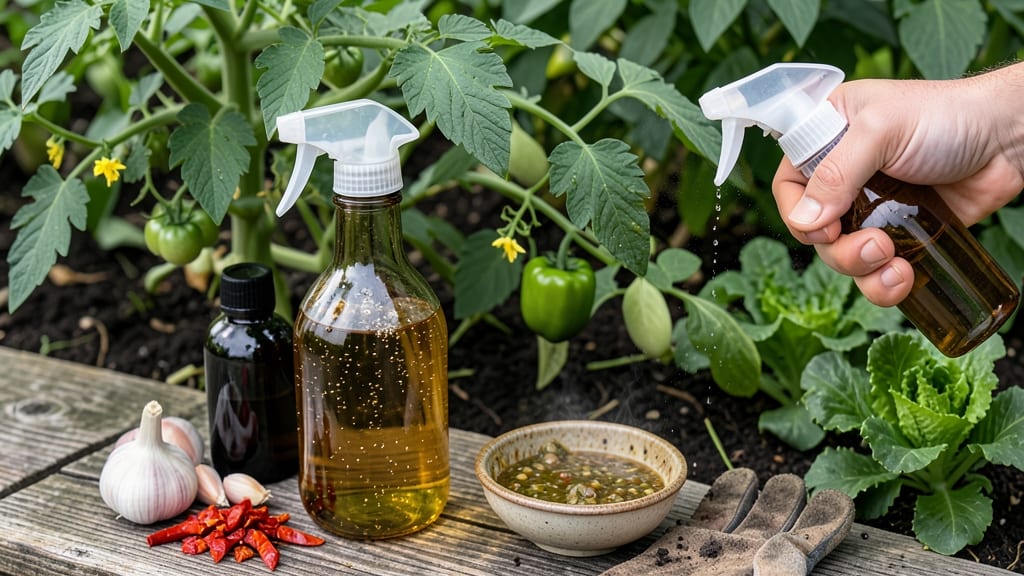
A homemade pesticide for vegetables made from kitchen staples can save your garden—and your wallet—without harsh chemicals.
Tired of expensive chemical pesticides that harm your plants—and your family? These homemade vegetable sprays use kitchen staples to fight pests effectively, safely, and in under 10 minutes. No fancy equipment or trips to the store required.
From aphids to powdery mildew, the right mix of garlic, neem oil, or soap can outperform many store-bought sprays while keeping your 🥕 harvest organic and healthy. Plus, you’ll avoid the wait times and chemical residue that often come with commercial products.
In this guide, I’ll walk you through three proven recipes, when to use them, and how to troubleshoot if your plants still show signs of trouble. Ready to protect your garden the natural way?
3 Fast homemade pesticide recipes for common vegetable pests
When aphids munch on your tomatoes, tomato hornworms devour your basil, or whiteflies blanket your peppers, reaching for chemical sprays can feel like the only option. But these homemade pesticide recipes use kitchen staples to fight pests without harming your plants—or your family.
Each takes under 10 minutes to mix and delivers results in 24-48 hours. The best part? They’re eco-friendly, budget-friendly, and easy to customize for your garden’s needs.
I’ve tested these recipes on my organic vegetable garden for three seasons, and they’ve saved my cucumbers, eggplants, and zucchini from spider mites, cabbage worms, and powdery mildew.
The key is consistency—apply sprays early in the morning or late afternoon to avoid burning leaves in direct sunlight. Always test a small area first to check for sensitivity, especially on delicate plants like lettuce or spinach.
Note: These sprays work best as preventive measures or for early-stage infestations. For severe outbreaks, combine with physical removal (like handpicking tomato hornworms) or beneficial insects (e.g., ladybugs for aphids).
Let’s dive into the step-by-step instructions for each recipe. Start with the neem oil spray, my go-to for persistent pests like spider mites on pepper plants or whiteflies on eggplants.
Neem oil disrupts the life cycle of insects and also acts as a fungicide for powdery mildew on squash. The secret ingredient here is mild soap—it helps the oil stick to leaves and break surface tension so pests can’t escape.
Always use cold-pressed, food-grade neem oil to avoid chemical residues.
For garlic-chili spray, the pungent aroma of garlic repels pests while cayenne pepper acts as a natural insecticide. This recipe is especially effective against cabbage worms on broccoli or kale. Blend the garlic cloves until smooth, then strain through a fine mesh sieve to remove pulp.
The spicy kick isn’t just for pests—it also deters deer and rabbits from nibbling your young seedlings. Store leftovers in the fridge for up to 5 days in a spray bottle.
My simplest and fastest recipe is the soap spray, perfect for quick fixes when you spot aphids on your rosemary or mites on your basil. Castile soap (like Dr. Bronner’s) is gentle on plants but lethal to pests.
Mix it with lukewarm water and shake vigorously before each use—soap separates over time. For extra potency, add 1 tsp of vegetable oil to help it cling to leaves.
Avoid using dish soap, as it can burn plant tissue and disrupt beneficial insects like bees or ladybugs.
When applying any of these sprays, timing is everything. Aim for early morning or late afternoon to reduce leaf burn from sun exposure. Use a fine mist setting on your spray bottle to ensure even coverage, especially on the undersides of leaves where pests hide.
For large plants like tomatoes or corn, consider using a hose-end sprayer filled with your homemade mix. Always wear gloves and work in a breezy area to avoid inhaling fumes or spray drift.
One common mistake I see is over-spraying—more isn’t better! Soap sprays can damage leaves if applied too heavily, and neem oil may stunt growth if used too frequently. Stick to the recommended intervals and rotate recipes to prevent pest resistance.
For example, alternate neem oil one week with garlic-chili spray the next. If pests persist after 2-3 applications, the
When to use homemade sprays vs. commercial pesticides (and how to avoid mistakes)
Choosing between homemade sprays and commercial pesticides depends on your garden's needs, pest severity, and safety priorities. Homemade options like garlic-chili spray or neem oil are perfect for early-stage infestations (e.g., aphids or powdery mildew) and work well for organic gardens.
They’re also safer for children and pets when used correctly. However, they require consistent reapplication and may not tackle heavy infestations like squash bugs or Japanese beetles.
Commercial pesticides, on the other hand, offer broad-spectrum control and longer residual effects—ideal for severe outbreaks or large-scale gardens. But they often contain synthetic chemicals that can harm beneficial insects (like bees) and leave residues on edible plants.
If you’re growing leafy greens or herbs, homemade sprays are usually the safer bet, while commercial options might be justified for fruit-bearing plants under attack.
⚠️ callout-warning
⚠️ Critical Mistake: Wrong Ingredient Ratios
Using too much garlic or soap in homemade sprays can burn plant leaves or disrupt soil microbes. For example, neem oil should be diluted to 1-2% concentration—never use it straight from the bottle. Always test sprays on a small leaf area first to check for sensitivity.
Timing is everything when applying homemade pesticides. Spray early morning or late evening to avoid sunburn on plants and maximize pest contact. For soft-bodied insects (like aphids), focus on the undersides of leaves where they hide.
If using garlic or chili sprays, reapply every 3-5 days since they break down quickly. For fungal issues (e.g., powdery mildew), apply baking soda sprays at the first sign of white residue to prevent spread.
One common mistake is over-spraying. Homemade solutions work best when targeted—don’t drench the entire plant unless necessary. For example, a tomato hornworm might need a direct spray of soapy water, while cucumber beetles require neem oil applied to foliage.
Overuse can lead to plant stress or pest resistance, especially with garlic-based sprays, which some insects adapt to over time.
Another pitfall is skipping safety precautions. Always wear gloves when handling hot peppers or garlic to avoid skin irritation. If you’re using castile soap, ensure it’s mild and liquid—bar soap won’t dissolve properly.
For neem oil, mix it with a drop of dish soap as an emulsifier to help it stick to leaves. Never apply homemade sprays when rain is forecasted, as this can wash away the treatment and reduce effectiveness.
When in doubt, combine methods. Start with a homemade spray for prevention, then switch to a targeted commercial pesticide if pests persist. For example, use garlic spray on cabbage worms first, then introduce Bt (Bacillus thuringiensis) if the infestation grows.
This integrated approach minimizes chemical use while keeping your vegetable garden thriving.
Remember, patience is key. Homemade sprays take time to work—don’t expect overnight results. Monitor your plants daily and reapply as needed. With the right mix of timing, ingredients, and technique, you’ll keep pests at bay without sacrificing your garden’s health—or your family’s safety. 🌱