
Vegetables
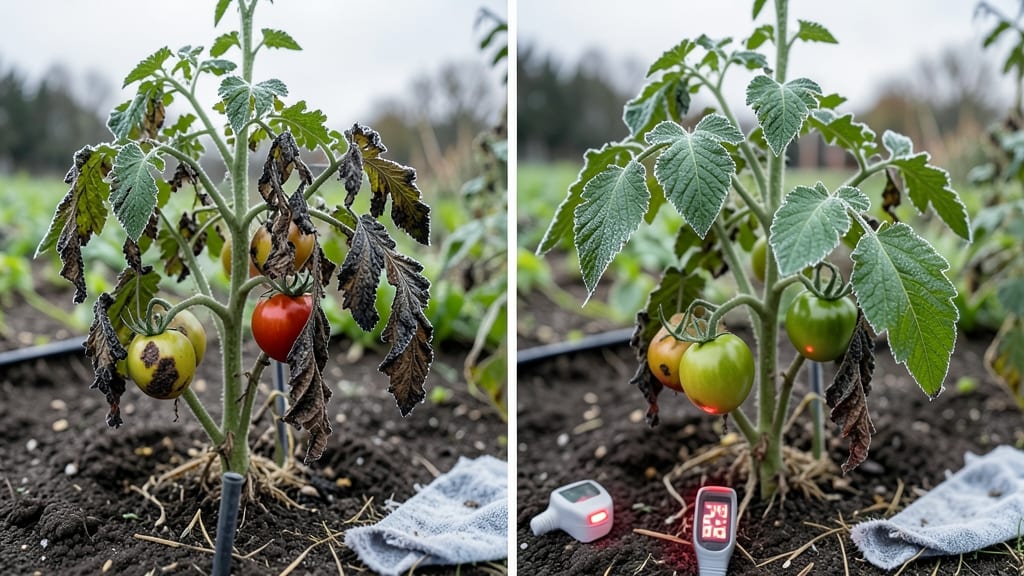
Damaged tomatoes from frost can still yield a harvest if you act fast and use the right recovery steps.
When frost hits your 🍅 plants, your first instinct might be to panic—but your harvest isn’t lost yet. With the right recovery techniques, you can salvage damaged plants, protect future fruit, and even revive growth for a second flush of tomatoes.
Many gardeners assume frost-damaged tomatoes are a total loss, but the truth is that these plants are surprisingly resilient. By pruning the right parts, adjusting care, and protecting them from further cold, you can often bring them back to full productivity.
In this guide, I’ll walk you through how to assess the damage, treat your plants for recovery, and even prevent future frost issues—so you can keep your garden thriving and enjoy a bountiful harvest all season.
How to assess and immediately treat frost-damaged tomato plants
Frost can turn your thriving tomato plants into limp, browned messes overnight—but don’t give up just yet. The key to saving your harvest lies in quick assessment and targeted action.
Frost damage often appears as blackened leaves, soft stems, or blistered fruit, but these symptoms don’t always mean total loss. By acting within 24-48 hours, you can minimize stress and help your plants bounce back for a second wave of growth.
First, assess the damage by examining three critical zones: the leaves, stems, and fruit. Healthy leaves should be firm and green; frost-damaged ones will feel mushy or turn brown.
Stems may appear waterlogged or develop blackened patches, while fruit might show surface blisters or internal discoloration. Understanding the severity helps you prioritize treatments—like pruning dead foliage or protecting vulnerable fruit—to prevent further harm.
Your immediate goal is to reduce plant stress and prevent secondary damage from pests or disease. Start by removing severely damaged leaves (those that are black, mushy, or completely wilted) to redirect the plant’s energy toward recovery.
Avoid cutting into green stems unless absolutely necessary, as this can introduce pathogens. Instead, focus on supporting the plant’s immune system through proper watering and mulching.
Step-by-Step Emergency Treatment for Frost-Damaged Tomatoes
- Step 1: Assess Damage
Examine leaves, stems, and fruit for blackened, mushy, or blistered areas. Use your fingers to gently press leaves—if they stay crushed, they’re dead. - Step 2: Prune Dead Foliage
Cut back blackened leaves and soft stems with sterilized pruners. Avoid removing more than 30% of the plant at once to prevent shock. - Step 3: Apply Mulch
Spread 2-3 inches of straw or shredded leaves around the base (not touching stems) to insulate roots and retain moisture. - Step 4: Water Deeply (Morning Only)
Give plants a slow, deep soak to rehydrate roots. Avoid evening watering to prevent fungal growth on damp foliage. - Step 5: Shield from Wind
Use burlap sacks or cardboard to block wind, which can dry out recovering plants. Secure loosely to avoid suffocation. - Step 6: Protect Remaining Fruit
Cover green tomatoes with cloches or plastic cups to accelerate ripening if nighttime temps drop below 50°F (10°C). - Step 7: Monitor for Pests
Check daily for aphids or spider mites, which thrive on stressed plants. Spray with neem oil if needed.
After pruning, water deeply but carefully. Frost-stressed plants are prone to root rot if overwatered, but they also need consistent moisture to recover. Water at the base of the plant in the early morning to allow foliage to dry quickly—a critical step to avoid fungal infections like early blight.
If your tomatoes are still producing green fruit, consider using individual cloches or plastic wrap to create a mini greenhouse effect and speed up ripening.
Don’t forget to feed your plants once they show signs of recovery. A balanced fertilizer (like 10-10-10) applied 7-10 days after pruning provides the nutrients needed for new growth. However, avoid high-nitrogen fertilizers, which can stimulate leafy growth at the expense of fruit production.
Instead, opt for a potassium-rich formula to strengthen cell walls and improve frost resistance for future cold snaps.
If your tomato plants are determinate varieties (bush types), they may recover more quickly since they produce fruit in one flush. Indeterminate varieties (vining types) can be trickier—they rely on continuous growth, so pruning too aggressively might reduce your harvest.
For these, focus on preserving the main stem and removing only the most damaged foliage to maintain photosynthesis.
One often-overlooked trick is to use row covers during the day to warm the soil and protect new shoots. Even a lightweight fabric cover can raise soil temperatures by 5-10°F, giving your plants a fighting chance.
Pair this with evening mulch to lock in heat, and you’ll create an ideal microclimate for recovery. Just remember to remove covers during the day to avoid overheating.
Keep a close eye on new growth in the coming days. Healthy green shoots emerging from the base or side stems are a great sign—these indicate the plant is redirecting energy to recovery.
If you see yellowing leaves (not blackened), this could signal nutrient deficiency rather than frost damage. In this case, a foliar spray of seaweed extract can provide quick minerals to support regrowth.
Finally, learn from the experience to protect your tomatoes next season. Plant cold-tolerant varieties like 'Mountain Merit' or 'Stupice', use black plastic mulch to warm soil earlier, or install low tunnels for an extra layer of insulation.
Even staking plants higher can help avoid ground-level frost damage. With these adjustments, you’ll be better prepared for future cold snaps—and your next harvest will be even sweeter.
Long-term recovery strategies to maximize tomato yield after frost
After the initial shock of frost damage subsides, your tomato plants still have a fighting chance for a second harvest. The key lies in strategic recovery—not just survival, but revitalized growth that maximizes your yield.
With the right approach, you can coax your plants back to productivity while protecting what’s left of your fruit set.
Frost weakens plants by disrupting cellular function and reducing photosynthesis, but tomatoes are resilient. By focusing on nutrient recovery, climate protection, and water management, you can turn the tide.
The goal? To restore vigor and extend your growing season just enough for a second flush of tomatoes.
Start with a gentle fertilizer boost using a balanced 10-10-10 formula to replenish nutrients lost during frost stress. Apply it early in the morning to avoid leaf burn, and water deeply afterward to activate root uptake.
Avoid high-nitrogen fertilizers—these can overstimulate new growth at the expense of fruit development.
Protect your remaining flowers and fruit by investing in row covers or cloches. These create a microclimate that can raise temperatures by 5-10°F, safeguarding new blooms from late-season frosts. Secure covers tightly at dusk and remove them mid-morning to allow pollination by bees and other insects.
Adjust your watering schedule to deep, infrequent soaks—aim for 1-2 inches per week, delivered in the early morning. Frost-damaged plants are more susceptible to fungal diseases like blight, so avoid overhead watering.
Use a drip irrigation system or soaker hose to keep foliage dry and reduce disease risk.
Monitor your plants closely for new growth signs, like unfurling leaves or tiny flower buds. If you spot sucker growth (those small shoots in leaf axils), remove them to redirect energy to fruit-bearing stems.
Prune only damaged or diseased foliage—healthy leaves are critical for photosynthesis during recovery.
With patience and the right care, your frost-damaged tomatoes can rebound stronger than before. By combining nutrient support, climate protection, and smart watering, you’ll give your plants the best shot at a second harvest—even after frost. 🌱