
How To
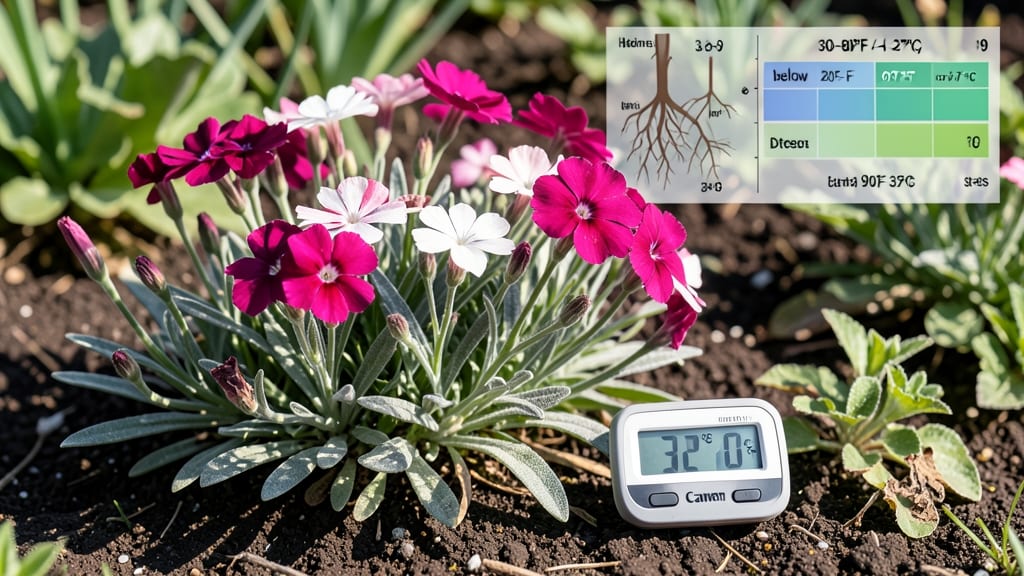
Understanding dianthus temperature tolerance is the difference between a garden full of vibrant 🌸 blooms and one struggling with heat stress or frost damage.
Struggling to keep your dianthus thriving through summer heatwaves or winter freezes? You’re not alone—many gardeners overlook how critical temperature ranges are to this delicate yet hardy plant.
Dianthus thrives in USDA zones 3–9, but its tolerance varies by season. While it can handle light frosts down to 20°F (-7°C), prolonged cold or scorching heat above 90°F (32°C) will stress the plant.
The key lies in knowing when to protect it and how to adapt care for your climate.
In this guide, I’ll break down the ideal temperature ranges for growth, dormancy, and survival, plus practical tips to shield your dianthus from extreme conditions—whether you’re in a cold zone like 6a or a sweltering summer region.
Dianthus cold-hardiness: USDA zones, winter survival tips & frost protection
If you love dianthus for its fragrant blooms and easy-care charm, you’ve probably wondered: how cold can it handle? The answer depends on whether you’re growing perennial varieties (like Dianthus barbatus) or annual types.
Perennials often survive winter in USDA zones 3-9, while annuals like sweet william may need protection in colder regions. Understanding these limits helps you avoid frost damage and dieback—common pitfalls for gardeners in transitional climates.
Cold tolerance isn’t just about minimum temperatures. It’s also about soil moisture, wind exposure, and how well your plants enter dormancy. For example, dianthus in zone 4 might survive -20°F (-29°C) if dry, but soggy soil can push roots to freeze at 5°F (-15°C).
Let’s break down what you need to know to keep your dianthus thriving through winter—no matter where you garden.
For gardeners in USDA zones 3-4, perennial dianthus like Dianthus barbatus are your best bet—they’ll bounce back from winter with minimal care. Start by pruning back dead foliage in late fall to reduce disease risk.
Then, apply a 2-3 inch layer of mulch (straw or shredded leaves work well) to insulate roots. This layer acts like a blanket, preventing soil temperature swings that can shock roots.
In zones 5-6, where winters are milder but still chilly, focus on drainage and wind protection. Dianthus hates soggy soil, so amend clay soil with sand or perlite before winter. If your garden is windy, group plants together or use a low fence to create a microclimate.
Even a 5 mph wind can dry out plants faster, making them more susceptible to frost damage.
Gardeners in zones 7-9 face a different challenge: late-winter frosts after buds form. To protect annual varieties or tender perennials, cover them with frost cloth when temperatures dip below 32°F (0°C).
For cushion dianthus, which can suffer from bud blast, wrap plants in burlap or use Christmas lights to slightly warm the area. This trick works surprisingly well—even a 5°F (3°C) buffer can save blooms.
One common mistake is overwatering before winter. Wet soil conducts cold, so reduce watering in fall and avoid irrigating when frost is forecasted. Instead, water deeply in early autumn to encourage root growth, then let the soil dry slightly before winter sets in.
If your dianthus shows signs of winter dieback—like brown, mushy stems—it’s often a sign of root rot from excess moisture.
For container-grown dianthus, move pots to a protected location (like a garage or under an eave) before consistent freezing begins. If you can’t relocate them, wrap containers in bubble wrap and add extra mulch.
Remember, potted plants freeze faster than in-ground ones because they lack soil insulation. A thermometer in the soil can help you monitor temperatures—aim to keep roots above 20°F (-7°C).
Spring is the time to assess winter damage. If your dianthus looks sad but the crown is still firm
Heat limits for dianthus: how hot is too hot & summer care essentials
When summer temperatures climb, your dianthus plants can quickly show signs of heat stress, even though they thrive in cooler climates. The ideal temperature range for dianthus is between 60°F to 75°F (15°C to 24°C), but once it hits 85°F (29°C), growth slows dramatically.
By 90°F (32°C), the risk of wilting, leaf scorch, and even death increases significantly—especially for perennial varieties.
Annual dianthus, like Dianthus barbatus, may handle brief heat spikes better than perennials, but prolonged exposure above 85°F (29°C) will still cause bud drop and stunted blooms.
If you’re in a region with USDA Zones 7-9, where summers are long and intense, understanding these heat thresholds is critical to keeping your plants vibrant.
⚠️ Critical Heat Alert for Dianthus
Above 90°F (32°C) is the danger zone for dianthus. Here’s what happens:
- 90°F-95°F (32°C-35°C): Wilting, drooping leaves, and reduced flowering
- 95°F-100°F (35°C-38°C): Leaf scorch, bud blast, and stunted growth
- 100°F+ (38°C+): Severe stress, root damage, and potential plant death
Pro tip: Monitor your dianthus daily during heatwaves—early intervention saves lives!
To protect your dianthus from summer’s wrath, start with shade cloth. A 30-50% shade cloth reduces heat by 10-15°F (5-8°C), creating a cooler microclimate. Install it over plants by 10 AM when the sun is strongest, then remove it by 4 PM to allow light for photosynthesis.
Pair this with mulching—a 2-3 inch layer of straw or wood chips keeps roots 5-10°F cooler by blocking heat absorption.
Watering is another game-changer during heatwaves. Dianthus has moderate water needs, but in extreme heat, switch to deep watering every 2-3 days instead of weekly shallow soaks. Water early morning (5-7 AM) to reduce evaporation and fungal risks.
Avoid wetting foliage at night, as this traps heat and promotes powdery mildew. A drip irrigation system delivers moisture directly to roots without stressing the plant.
If your dianthus shows early signs of heat stress—like yellowing leaves or crispy edges—act fast. Trim affected foliage with sterilized shears to redirect energy to healthy growth. For container-grown dianthus, move pots to shadier spots or place them on reflective surfaces (like light-colored gravel) to bounce back heat.
In USDA Zone 10+, consider growing heat-tolerant varieties like Dianthus chinensis, which handles up to 95°F (35°C) better than others.
Finally, don’t forget to deadhead spent blooms during summer—this reduces stress on the plant and encourages new growth. With these heat-proofing strategies, your dianthus can survive even the hottest summers while still putting on a show-stopping display of color. 🌸