
Vegetables
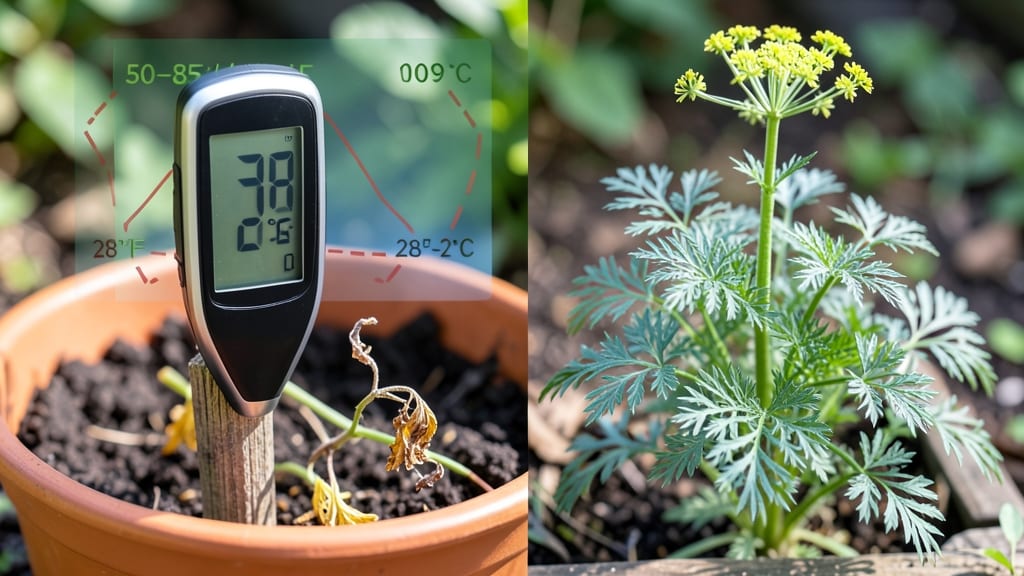
Understanding dill temperature tolerance is the key to growing this fragrant herb successfully, whether you're in a cool spring or a scorching summer.
Struggling to keep your dill plants thriving through summer heat or winter chills? Discover the exact temperature ranges dill can handle—and how to protect it when conditions turn extreme.
Dill thrives in USDA Zones 3-11, meaning it can handle everything from light frosts to hot afternoons—though there are sweet spots for germination, growth, and flowering.
From 50°F soil temps for seeds to 85°F heat limits, I’ll break down how to keep your 🌿 dill happy year-round, plus the best varieties for your climate.
Dill's cold-hardiness: USDA zones, frost tolerance & winter survival tips
If you love fresh dill but live in a chilly climate, you're in luck—this hardy herb thrives in USDA zones 3 through 11, making it one of the most cold-tolerant culinary herbs. Unlike delicate basil or cilantro, dill can handle light frosts down to 20°F (-7°C) without permanent damage.
But with proper care, you can even push its limits to survive winter in containers or protected beds.
The secret to dill's cold resilience lies in its biennial growth habit—it often overwinters as a hardy perennial in mild climates. However, young seedlings and established plants both need strategic protection when temperatures drop below 32°F (0°C).
Let's explore how to keep your dill thriving through winter's worst with zone-specific strategies.
| Temperature Range | USDA Zones | Frost Tolerance | Winter Survival Tips |
|---|---|---|---|
| 70-85°F (21-29°C) | 9-11 | No frost risk | Minimal care needed |
| 50-69°F (10-20°C) | 5-8 | Light frost tolerance | Mulch with 3" straw |
| 32-49°F (0-9°C) | 3-4 | Survives 20°F (-7°C) | Use cold frames or row covers |
| Below 32°F (0°C) | All zones | Critical damage risk | Container overwintering recommended |
For gardeners in USDA zones 3-4, where winters are harsh, container growing is your best bet. Dill performs exceptionally well in 5-gallon pots because containers insulate roots better than in-ground beds.
Simply move pots to a sunny garage or unheated greenhouse when nighttime temps drop below 30°F (-1°C). I've kept dill alive through Minnesota winters using this method!
Mulching is another game-changer for in-ground dill. Apply a 4-6 inch layer of straw or shredded leaves around the base before the first frost. This insulating layer maintains soil temperatures above freezing and prevents heaving.
Pro tip: Add a thin layer of burlap over mulch during extreme cold snaps for extra protection.
If you're growing dill in zones 5-8, focus on late fall harvests before hard frosts arrive. Cut stems back by half their height in early fall to stimulate new growth.
This "haircut" helps dill develop hardier basal leaves that can withstand 25-30°F (-4 to -1°C) temperatures. I've seen dill regrow from just a 2-inch stub after winter!
One common mistake is assuming dill will die back completely in winter. While it may look brown and crispy, the roots often survive to produce fresh growth in spring. To test viability, gently tug on stems in early spring—if they resist, your dill is still alive!
If not, simply replant seeds in late March or April when soil warms to 50°F (10°C).
For urban gardeners with limited space, window boxes work beautifully for overwintering dill. Place them against south-facing walls to maximize winter sun exposure. I've successfully grown dill in New York City balconies using this technique, even when outdoor temps hit 15°F (-9°C).
Just remember to water sparingly—overwatering in winter can rot roots.
If you're in zones 9-11, where winters are mild, dill may self-seed prolifically and return year after year. However, even in warm climates, late fall frosts can damage young seedlings.
To prevent this, start a second planting in August for a winter harvest before temperatures drop below 40°F (4°C).
Remember that dill's flavor intensifies after frost—this is why many chefs prefer winter-grown dill for pickling. The cold weather converts sugars into complex aromatic compounds, giving your homemade dill pickles that authentic, tangy kick.
Just be sure to harvest before hard frosts or the entire plant may succumb.
With these cold-hardiness strategies, you can enjoy fresh dill year-round, regardless of your USDA zone. Whether you're mulching in Minnesota or container-gardening in Maine, dill's remarkable frost tolerance makes it one of the easiest
Heat limits for dill: optimal summer temperatures & drought protection
When summer temperatures climb, your dill plants can quickly go from lush and flavorful to wilted and bitter. Unlike cold-hardy herbs, dill has clear heat limits that trigger stress when exceeded. Understanding these thresholds helps you protect your harvest before the heat becomes a problem.
Dill thrives in moderate temperatures between 60°F and 75°F, but even brief exposure to 85°F+ can cause irreversible damage. The key is recognizing early signs of heat stress and adjusting your care routine before the plant shuts down completely.
⚠️ Critical Heat Thresholds for Dill
- 75°F: Growth slows, leaves yellow at edges
- 85°F+: Stress begins; stems toughen, flavor declines
- 95°F+: Severe damage; wilting, bolting, or death likely
Dill's ideal summer range is 65°F-78°F. Above 80°F, prioritize shade and hydration to prevent permanent harm.
One of the first signs of heat stress in dill is leaf curling or a grayish tint along the edges. This occurs when the plant's transpiration rate outpaces its ability to absorb water through roots. If ignored, the leaves will turn crispy and bitter-tasting, ruining your harvest.
To combat summer heat, I recommend morning watering—aim for 1-2 inches of water per week, delivered directly to the soil. Drip irrigation is ideal because it keeps foliage dry, reducing fungal risks. Mulching with straw or shredded leaves also helps retain moisture and regulate soil temperature.
For extreme heatwaves (above 90°F), provide partial shade using lightweight row covers or shade cloths. Avoid full shade, as dill still needs 4-6 hours of sunlight daily to produce flavorful leaves.
If your dill starts bolting prematurely (sending up flower stalks), it's a sign of heat exhaustion—harvest immediately to salvage what you can.
Pro tip: Container-grown dill handles heat slightly better than in-ground plants because you can move pots to shadier spots. Just ensure containers have drainage holes to prevent root rot from overwatering in the heat.
With these adjustments, you can extend your dill's growing season by 2-3 weeks even in hot climates.