
Vegetables
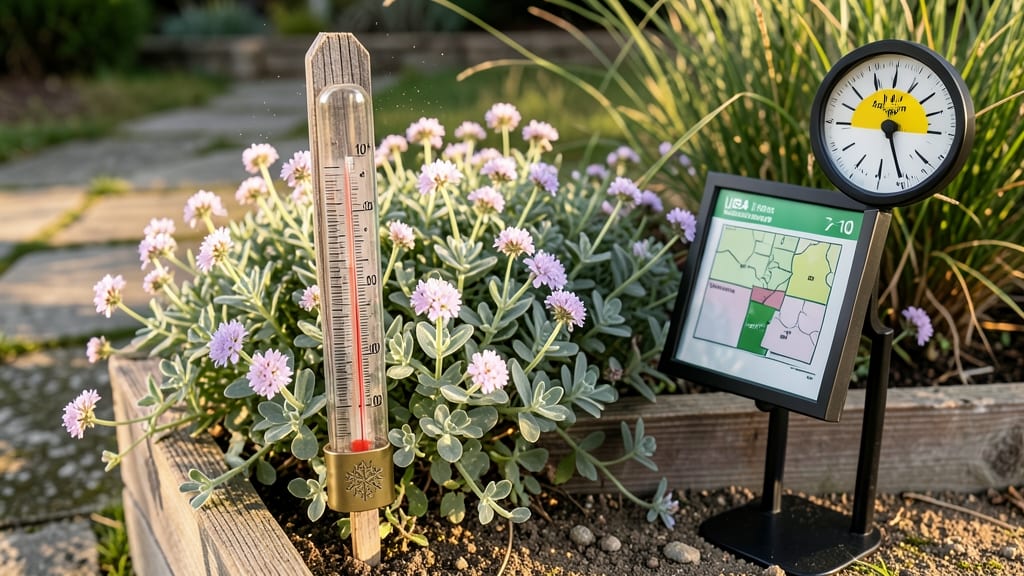
The temperature tolerance of alyssum determines whether your delicate 🌼 blooms thrive or wither—often in just a few degrees difference.
If you’ve ever watched your alyssum shrivel under a sudden heatwave or freeze after a late spring frost, you know how quickly conditions can turn against it. This hardy yet finicky flower has clear limits: too cold, and it bolts; too hot, and it fades.
But with the right zone knowledge and a few simple tricks, you can stretch its growing season from early spring to late fall.
From USDA Zone 3 to 10, alyssum adapts—but not without care. Annual varieties like Alyssum maritimum handle coastal breezes and mild winters, while perennials in cooler zones need winter protection.
Heat, however, is the real villain: temperatures above 85°F trigger stress, and without shade or moisture, blooms turn yellow and crisp.
In this guide, I’ll walk you through the exact temperature ranges for your zone, how to shield alyssum from extremes, and the easiest ways to keep it blooming longer—whether you’re in a frost-prone 6a or a sweltering summer climate.
Alyssum cold-hardiness: USDA Zones, frost resistance & winter care
Alyssum's delicate sweet-scented blooms make it a garden favorite, but its cold tolerance varies dramatically by variety and USDA zone. While some types handle light frosts down to 20°F (-7°C), others wilt at 32°F (0°C).
Understanding these limits ensures your alyssum thrives through winter—whether it's your annual sweet alyssum or hardy perennial varieties.
Most gardeners assume alyssum is a tender annual, but perennial alyssum (like Alyssum montanum) can survive winters in USDA Zones 4-8 with proper care. The key lies in soil insulation, mulching techniques, and knowing when to protect young plants from sudden freezes.
Let's break down what works in your specific zone.
In USDA Zones 3-4, where winters are harsh, sweet alyssum (Alyssum maritimum) acts as a tender annual. Plant seeds after your last frost date (typically late May in these zones) and enjoy blooms until first frost in fall.
For perennial types, only Alyssum montanum survives, but it needs heavy mulching (4+ inches of straw) and frost cloth during sub-zero nights.
Gardeners in Zones 5-6 have more flexibility. Sweet alyssum self-seeds prolifically, often returning the next year without intervention. For perennial alyssum, apply 2-3 inches of mulch in late fall to insulate roots. A lightweight row cover during 20°F (-7°C) drops prevents frost damage to emerging shoots in spring.
If you're in Zones 7-8, you can push your alyssum's limits further. Container-grown annuals can overwinter indoors or in unheated garages with minimal light. Perennial varieties like Alyssum saxatile thrive with just light mulching and occasional watering during dry winters.
The real challenge here is heat stress in summer, not cold.
For Zone 9-10 gardeners, alyssum is a year-round performer. Annual varieties bloom continuously if deadheaded regularly, while perennials spread and naturalize. The only cold concern is rare 28°F (-2°C) dips, which may lightly frost tender leaves—but plants recover quickly with morning sun.
One common mistake is assuming all alyssum is frost-sensitive. Perennial types actually prefer cooler weather and may bolt (go to seed) in summer heat. To prevent this, provide afternoon shade during peak summer months, especially in Zones 9-10.
Even in cold zones, late-season blooms benefit from light shade to extend the flowering period.
When preparing for winter, focus on root protection. Cut back annual varieties to 1-2 inches above soil and mulch heavily. For perennials, leave foliage intact as it acts as natural insulation.
In Zones 3-5, add a layer of evergreen boughs over mulch for extra protection against freeze-thaw cycles, which can heave roots.
Watch for frost damage signs like blackened leaves or mushy stems after cold snaps. While these may look severe, alyssum often regrows from the base once temperatures warm.
If your plants look completely dead in spring, check for green shoots at the soil line—this means roots survived, and new growth will emerge.
With these zone-specific strategies, you can enjoy aly
Heat tolerance limits: how hot is too hot for alyssum?
Alyssum thrives in moderate temperatures, but its delicate blooms struggle when mercury climbs past 85°F (29°C). While it handles cool summers beautifully, prolonged heat triggers stress responses like yellowing leaves and premature bolting. Understanding these limits helps you protect your sweet-scented flowers while extending their summer display.
Most alyssum varieties—especially the popular Sweet Alyssum (Lobularia maritima)—begin showing heat fatigue when daytime temps exceed 85°F (29°C). Nighttime temperatures above 70°F (21°C) compound the problem, preventing proper recovery. Without intervention, your vibrant blooms may turn brown and crispy within days.
Your first defense against heat stress is afternoon shade. Position containers or garden beds to receive morning sun and dappled afternoon shade—even a 50% shade cloth can make a dramatic difference.
I’ve seen alyssum recover from 90°F (32°C) days when protected this way, while unshaded plants bolted within a week.
Mulching with 2-3 inches of organic mulch (like straw or shredded bark) helps regulate soil temperature and retain moisture. This simple trick can reduce root stress by 10-15°F during peak afternoon heat.
Pair it with deep watering schedules: soak the soil at dawn to give roots moisture before the sun peaks.
Watch for three key heat stress signs: yellowing leaves (chlorosis), drooping stems, and tiny buds forming instead of blooms. If you spot these, move plants to shade immediately and increase watering frequency.
Prune back 1/3 of the plant to encourage new growth—this works surprisingly well for heat-recovered alyssum.
For extreme heat (above 95°F/35°C), consider temporary relocation. Move potted alyssum to a shaded patio or garage with ventilation for 2-3 weeks. Once temps drop below 85°F (29°C), return them to their original spot. This reset often revives even severely stressed plants.
Heat-tolerant varieties like 'Tiny Tuffet' alyssum handle slightly warmer conditions, but no variety thrives in consistent 100°F+ heat. Plan ahead by choosing late-summer varieties or fall-blooming types for regions with intense summer heat. With these strategies, you can enjoy alyssum’s sweet fragrance well into autumn!