
Plants
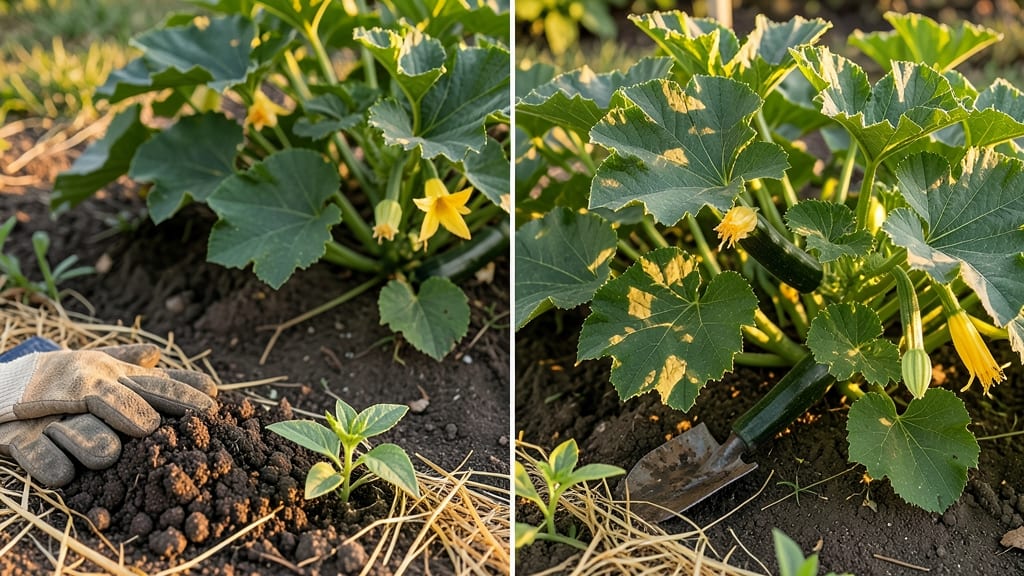
Plant zucchini in New Jersey after your last frost date — typically mid-April to mid-May in most counties, but earlier in southern regions like Cape May.
New Jersey gardeners know timing is everything: plant zucchini 🎃 too early, and frost will wipe out your seedlings; too late, and summer’s heat arrives before your harvest.
The difference between a bountiful garden and a sad patch of wilted leaves often comes down to a few weeks of perfect scheduling.
Whether you’re starting seeds indoors or sowing directly into the warm soil, understanding your county’s frost-free window is the key to a thriving zucchini patch. Below, I’ll break down the best planting dates by region, soil temperature tips, and how to stretch your growing season for extra harvests.
You’ll also discover how to avoid common mistakes — like planting in cold soil or crowding your plants — and learn companion planting tricks to keep pests at bay. Ready to turn your NJ garden into a zucchini powerhouse?
NJ zucchini planting dates by county: frost-free deadlines for maximum yield
New Jersey’s diverse climate means your zucchini planting dates depend heavily on your county’s last frost date. From the cooler northern regions to the warmer southern coast, timing your seeds right ensures vigorous growth and a bountiful harvest.
Most NJ gardeners aim to plant after the average last frost date, but soil temperature matters just as much—zucchini seeds need soil at 60°F+ to germinate successfully.
For direct sowing outdoors, wait until soil temperatures consistently stay above 60°F—this typically aligns with mid-April in southern NJ (like Cape May) but may stretch into late May in northern NJ (like Sussex County).
If you’re starting seeds indoors, begin 3-4 weeks before your county’s last frost date to give seedlings a head start.
🌱
In southern NJ counties like Cape May and Atlantic, you can often plant zucchini as early as mid-April thanks to coastal warmth. These areas benefit from longer growing seasons, allowing for succession planting every 2 weeks through June.
Use row covers to extend the season if frost threatens in late May.
For northern and inland counties like Sussex and Bergen, wait until late May when soil temperatures reliably hit 65°F+. These regions have shorter frost-free windows, so focus on fast-maturing varieties (like 'Eight Ball' or 'Black Beauty') to maximize harvests before the first frost in mid-October.
🌿
If you’re unsure about your county’s frost dates, check the NJ State Climate Office or use a soil thermometer to confirm 60°F+ soil temps before planting. For container gardening, place pots in sunny spots and use black plastic mulch to warm soil faster.
Always space plants 2-3 feet apart to prevent powdery mildew and ensure proper airflow.
Pro tip: In cooler years, start a few seeds indoors under grow lights 4 weeks before your county’s last frost date. Transplant seedlings outdoors when they’re 2-3 inches tall and hardy. This gives you a 2-3 week head start on outdoor planting.
☀️
Remember, zucchini thrives in heat, so avoid planting too early—cool soil and chilly nights stunt growth. If you miss the spring window, don’t worry! You can still succession plant every 2 weeks through July for a continuous harvest. Just be prepared to harvest aggressively to prevent overgrowth.
For fall harvests, try cold-hardy varieties like 'Defender' and use row covers to protect plants until first frost. With the right timing, you can enjoy zucchini well into October in most NJ counties!
How to extend zucchini growing season in NJ: cold frames, row covers, and succession planting
New Jersey’s short growing season can leave gardeners scrambling to maximize zucchini harvests. With the right techniques—like row covers and cold frames—you can push your zucchini plants to produce 2-4 weeks earlier in spring or extend fall harvests until hard frost.
These methods create microclimates that shield tender seedlings from late spring frosts or early fall chills, giving you a longer harvest window.
Succession planting is another game-changer. Instead of sowing all your seeds at once, stagger plantings every 2-3 weeks from May through July. This ensures a steady supply of zucchini without overwhelming you with a sudden glut.
For example, plant your first batch in early May, then follow up with two more batches in June—each will mature at different times, keeping your kitchen stocked all summer.
- Use row covers 2-4 weeks before last frost date to start seedlings earlier—they trap heat and protect from 30°F temperatures.
- Set up a cold frame in late summer (August) to extend fall harvests. Remove the cover when temps rise above 50°F during the day.
- Plant succession batches every 2-3 weeks from May to July. Use compact varieties like 'Eight Ball' for smaller spaces.
- For late fall harvests, sow seeds under row covers in early September. Choose fast-maturing varieties like 'Gold Rush' (45 days).
Cold frames are especially effective for fall zucchini. Build one using a clear plastic lid over a wooden frame filled with straw or old blankets for insulation. Place it over your zucchini plants in late August, and you’ll be harvesting well into October.
Just remember to ventilate on warm days to prevent overheating—zucchini plants need airflow to thrive.
Row covers are lightweight fabric tunnels that fit over seedlings. They’re perfect for a 2-4 week head start in spring or protecting young plants from light frosts in early fall. Secure the edges with bricks or soil to keep pests out.
Once your plants are established (about 4-6 inches tall), remove the cover to allow pollination—zucchini needs bees to set fruit!
If you’re new to succession planting, start small. Try planting one row every 3 weeks instead of all at once. This method also works well for container gardening—just use 5-gallon pots and plant 2-3 seeds per container.
Label each pot with the planting date to track maturity times. With these techniques, you’ll enjoy homegrown zucchini from June through October—no grocery store squash needed!
Pro tip: Keep a planting journal to track what works best in your NJ microclimate. Note which methods gave you the longest harvests and adjust next year’s schedule accordingly. Happy gardening—your future zucchini feasts will thank you! 🎃