
Vegetables
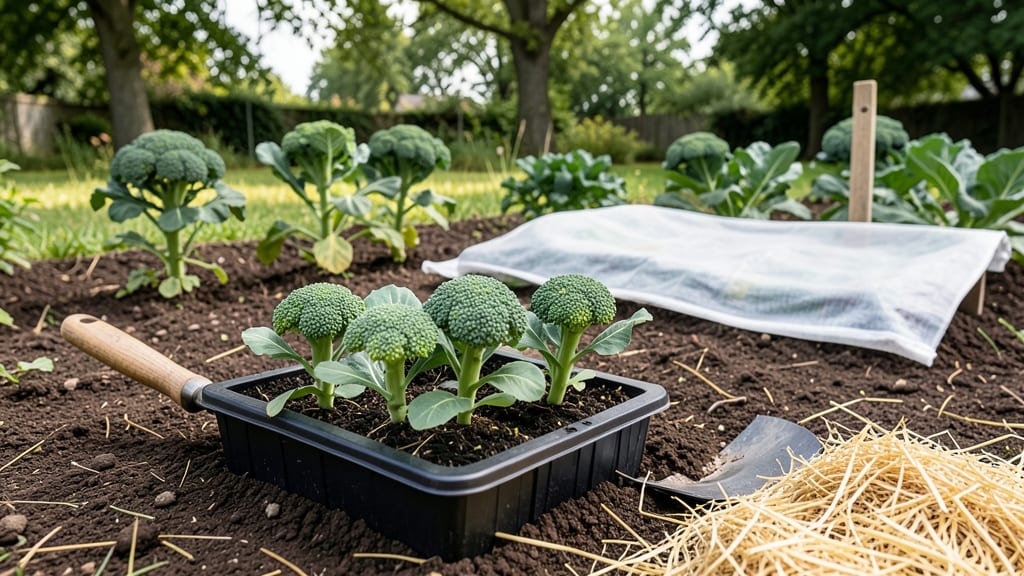
Planting winter vegetables in California requires timing that matches your region’s unique frost-free windows—coastal areas can start as early as September, while the Central Valley waits until October.
California’s diverse microclimates mean your coastal garden’s winter planting schedule can differ drastically from the Central Valley’s—getting the timing wrong could leave your broccoli bolting or your kale turning bitter.
Whether you’re growing 🥬 in a backyard, raised beds, or containers, the key is aligning your planting with local frost dates and soil temperatures. Coastal zones stay mild year-round, while inland areas need a little more patience.
Below, I’ll break down the exact months to plant by region, plus soil prep tips and companion plants to maximize your harvest from December through spring.
Optimal planting dates for coastal California winter vegetables
Coastal California’s mild winters (USDA Zones 7-10) create a perfect window for growing cold-hardy vegetables like broccoli, kale, and spinach. Unlike inland regions, coastal areas rarely see frost, giving you flexibility from September through December.
However, timing still matters—plant too late, and your lettuce may bolt in spring’s warming temperatures.
For transplanting seedlings, aim for September to early November—this ensures mature plants establish roots before winter rains arrive. Direct-sowing seeds (like peas or spinach) can go in as early as August, but wait until October for heat-sensitive varieties like cabbage.
Coastal fog also means soil stays cooler longer, delaying bolting in leafy greens.
Key rule: Plant 6-8 weeks before your area’s average first frost (though coastal zones rarely frost). For San Francisco, that’s late November; in Santa Barbara, you’re safe until December. Use row covers if temps dip below 25°F to protect tender greens like spinach.
| Vegetable | Transplant Window | Direct Sow Window | Frost Tolerance | Harvest Time |
|---|---|---|---|---|
| Broccoli | Sep 15–Nov 1 | Aug 15–Sep 30 | 20–25°F | Dec–Apr |
| Cabbage | Sep 1–Nov 15 | Sep 15–Oct 31 | 18–22°F | Jan–May |
| Kale | Aug 15–Nov 30 | Aug 1–Oct 15 | 15–20°F | Oct–Jun |
| Lettuce | Sep 1–Dec 1 | Aug 15–Nov 1 | 25–30°F | Oct–May |
| Peas | Sep 15–Nov 15 | Aug 1–Oct 31 | 20–25°F | Nov–Apr |
| Spinach | Sep 1–Nov 1 | Aug 15–Sep 30 | 18–22°F | Oct–May |
For broccoli and cabbage, start seeds indoors 4-6 weeks before your target transplant date. Coastal nurseries often sell 6-week-old seedlings by September, so check local availability. Peas are unique—they thrive in cool soil and can even handle light frosts, making them ideal for August sowing.
If you’re in Zone 10 (e.g., San Diego), extend your window by planting heat-tolerant varieties like ‘Winter Density’ kale or ‘Black Seeded Simpson’ lettuce.
These handle mild winters better than standard types. For Zone 7 (e.g., Mendocino), prioritize cold-hardy varieties like ‘Winterbor’ kale or ‘Purple Sprouting’ broccoli.
Pro tip: Succession plant lettuce and spinach every 2-3 weeks from September to November to ensure a continuous harvest. Coastal winds can dry soil quickly, so mulch with straw after planting to retain moisture. Avoid overwatering—soggy soil leads to rot in root crops like carrots.
Watch for pest pressure like cabbage worms or aphids, which thrive in coastal humidity. Neem oil or row covers work well. If your soil feels cold (below 50°F), delay planting until temps rise—seedlings won’t germinate in chilly conditions.
Coastal gardens reward patience, so plan ahead for a bountiful winter harvest!
🌱
Central Valley winter planting calendar: warmer microclimates explained
In the Central Valley, winter gardening thrives year-round thanks to USDA Zones 9-11 and milder temperatures. Unlike coastal areas, Valley gardeners enjoy extended growing seasons—meaning you can plant heat-tolerant varieties and even squeeze in second crops for spring harvests.
The key is adjusting your timeline to avoid bolting or stunted growth from unexpected warmth.
Here, October through December is prime time for cool-season crops like broccoli, kale, and spinach, but heat-tolerant lettuce and Swiss chard can handle Valley winters better than coastal varieties.
The trick? Start seeds 4-6 weeks before your target transplant date—and don’t forget to succession plant every 2-3 weeks for continuous harvests.
| Vegetable | Planting Window | Heat-Tolerant Variety | Second-Crop Strategy |
|---|---|---|---|
| Broccoli | Oct 15 - Nov 15 | 'De Cicco' (slow-bolting) | Plant every 3 weeks for spring harvests |
| Kale | Sep 1 - Dec 1 | 'Winterbor' (cold-hardy) | Harvest outer leaves, regrow |
| Lettuce | Oct 1 - Jan 15 | 'Black Seeded Simpson' (heat-tolerant) | Sow every 2 weeks for cut-and-come-again |
| Spinach | Nov 1 - Jan 31 | 'Bloomsdale Long Standing' | Succession plant every 10 days |
| Carrots | Sep 15 - Nov 15 | 'Danvers' (slow-bolting) | Thin seedlings for spring harvests |
For spring harvests, aim to plant broccoli and cabbage in late January or early February—just as daytime temperatures begin to rise. Heat-tolerant varieties like 'Tendercrisp' lettuce or 'Red Russian' kale can handle 60-70°F days without bolting, while shade cloth (30-50%) protects tender greens from afternoon sun.
Don’t overlook winter mulching—a 2-3 inch layer of straw or wood chips keeps soil temps stable and conserves moisture. In Zone 10-11 areas, you can even plant year-round with proper irrigation and drip systems to prevent soil drying.
Just monitor soil temps—keep them above 50°F for optimal germination.
Pro tip: Use row covers in December-January if nights dip below 40°F. They create a 5-10°F warmer microclimate while still allowing sunlight. Pair this with daily watering in containers to prevent stress—Valley winters may be mild, but wind and sun exposure can still take a toll on young plants.
With these adjustments, your Central Valley winter garden can produce harvests from November through May—far longer than coastal gardens. The secret? Heat-tolerant varieties, succession planting, and microclimate protection. Start small, experiment with timing, and soon you’ll master the Valley’s extended growing season like a pro. 🌱