
Vegetables
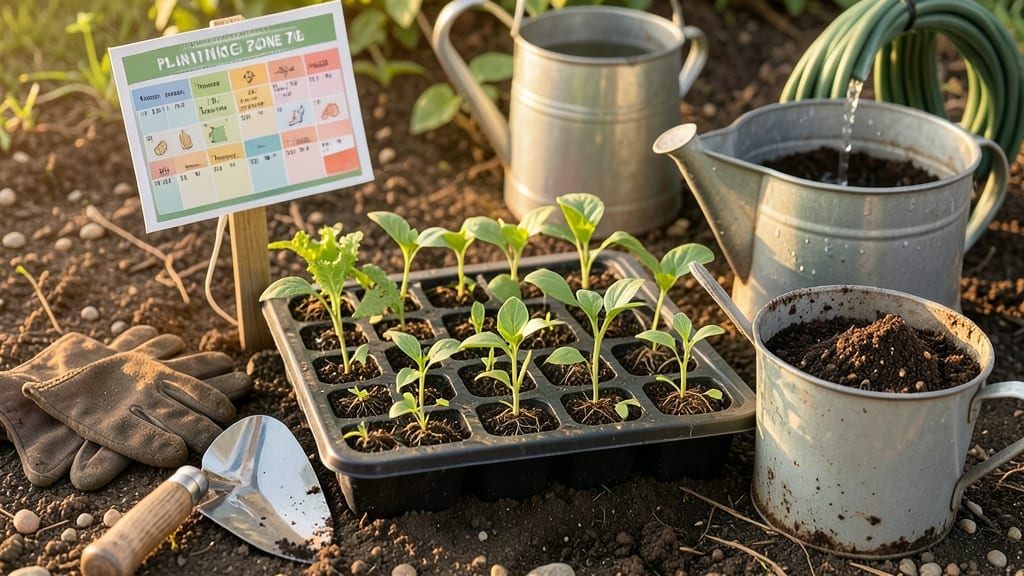
Planting vegetables in Zone 7b at the right time means the difference between a garden full of thriving 🥕 plants and one that struggles to take root.
If you’ve ever watched your seedlings wilt under a late frost or bolt into flower before they’re ready, you know how critical timing really is. In Zone 7b, where the last frost typically hits around April 15, getting the dates wrong can cost you weeks—or even the entire harvest.
This guide breaks down the exact planting windows for spring and fall crops, from tomatoes to lettuce, so you can avoid common mistakes and maximize your garden’s potential. Whether you’re a first-time gardener or a seasoned pro, these insights will help you plan for faster growth and bigger yields.
We’ll cover frost dates, soil prep tips, and how to adjust for microclimates—so you can start planting with confidence and watch your garden flourish.
Best planting dates for vegetables in Zone 7b by last frost
Zone 7b gardeners have a 210-day frost-free season, with an average last frost date of April 15 and first frost around November 15. Timing your plantings correctly ensures your tomatoes, peppers, and lettuce thrive—not just survive.
Cool-season crops like spinach and kale can handle cooler temps, while warm-season veggies like beans and cucumbers need soil temperatures above 60°F to germinate.
Soil temperature matters more than air temperature—cold soil delays germination even if the air is warm. Use a soil thermometer to check: 40–50°F for cool-season crops and 60–70°F for warm-season varieties.
In Zone 7b, this often means waiting until mid-April for warm crops and planting cool crops as early as February in containers or March in the ground.
Here’s a quick reference for your Zone 7b planting schedule, organized by crop type and frost sensitivity:
| Crop Type | Planting Window | Soil Temp Requirement | Notes |
|---|---|---|---|
| Cool-Season (Lettuce, Spinach, Peas) | Feb 15–March 30 Aug 15–Sept 15 |
40–50°F | Avoid bolting in summer heat; use shade cloth. |
| Warm-Season (Tomatoes, Peppers, Eggplant) | April 15–May 15 July 1–July 15 (fall) |
60–70°F | Start indoors 6–8 weeks before last frost. |
| Heat-Tolerant (Okra, Sweet Potatoes, Southern Peas) | May 1–June 15 | 70–80°F | Plant after soil warms; mulch to retain heat. |
| Fast-Growing (Radishes, Bush Beans, Lettuce) | March 1–April 10 Aug 1–Sept 10 |
45–65°F | Ideal for succession planting every 2 weeks. |
For cool-season vegetables like lettuce and spinach, start seeds indoors in late February or direct-sow in early March. These crops bolt (go to seed) quickly in summer heat, so plan for fall harvests too—sow again in mid-August for a late-season crop.
Use shade cloth if planting in summer to prevent bolting.
Warm-season crops like tomatoes and peppers need patience—wait until soil temperatures hit 60°F (usually mid-April) to plant outdoors. Harden off seedlings by gradually exposing them to outdoor conditions for 1–2 weeks before transplanting. If you’re eager for an early start, use black plastic mulch to warm the soil faster.
Don’t overlook succession planting for crops like bush beans, radishes, and lettuce. These fast growers (ready in 30–50 days) can be sown every 2 weeks from spring to early summer.
For example, plant a batch of radishes every 10 days from March through May to ensure a steady harvest.
In Zone 7b, fall planting extends your harvest well past the first frost. Broccoli, cabbage, and kale can handle light frosts and even taste sweeter after a light freeze.
Plant these 6–8 weeks before your first frost (around September 15) for a late-October harvest. Use row covers to push harvests even later if needed.
Microclimates in Zone 7b can shift planting times by 1–2 weeks. Urban areas may experience earlier soil warming due to pavement, while rural spots might stay cooler. Observe your garden’s sun exposure and wind patterns: south-facing beds warm faster, while windy spots dry out quicker.
Adjust planting dates 1 week earlier for sunny spots or 1 week later for shady areas.
Protect young plants from late spring frosts (which can happen as late as May 1 in Zone 7b) with frost cloth or row covers. For tomatoes and peppers, use straw mulch to insulate roots and keep soil warm.
If a frost warning appears after planting, cover crops with old bedsheets or frost blankets—even a light frost can kill tender seedlings.
Remember: soil prep is half the battle. Amend your beds with compost or aged manure in fall or early spring
How to adjust planting times for extended harvests in Zone 7b
Zone 7b gardeners know that seasonal timing is everything for a productive garden. By staggering plantings and choosing heat-tolerant varieties, you can extend harvests well beyond the traditional growing season. This strategy ensures your garden stays productive even when summer heat arrives early or fall frost lingers.
One of my favorite techniques is succession planting, which involves sowing seeds in multiple batches rather than all at once. For example, planting bush beans every two weeks from May through July keeps a steady supply of fresh pods throughout the summer.
This method works especially well for fast-growing crops like lettuce, radishes, and green onions.
For late-season harvests, focus on fall crops that thrive in cooler temperatures. Broccoli, kale, and spinach can be planted as early as July for a fall harvest, while carrots and beets benefit from direct sowing in August.
These crops often produce sweeter flavors when grown in cooler weather, making them perfect for extending your garden's productivity.
Here’s how to maximize your harvest with precise timing and protective measures:
- 🌱 Start warm-season crops indoors (like tomatoes and peppers) 6-8 weeks before your last frost date (April 15 in Zone 7b). This gives seedlings a head start and extends the growing season by 2-3 weeks.
- ☀️ Use row covers or cold frames to protect early plantings from late frosts. These tools can push harvest times by 3-4 weeks for salad greens and herbs.
- ⏰ Sow heat-tolerant varieties like Okra, Sweet Potatoes, and Southern Peas in late May or early June. These crops thrive in Zone 7b’s summer heat and produce well into September.
- 🌿 Plant fall crops in late summer (August) for a second harvest. Garlic and onions planted in September will mature the following year, while turnips and radishes can be harvested in as little as 30 days.
- 🛡️ Extend the season with low tunnels or hoop houses to protect tender crops like cabbage and broccoli from early fall frosts. This can add 4-6 weeks to your harvest window.
Another key strategy is interplanting, where you grow fast-maturing crops like radishes alongside slower-growing ones such as carrots. Radishes mature in about 30 days, leaving space for carrots to grow without competition. This approach maximizes space and ensures a continuous harvest throughout the season.
Don’t forget to monitor soil temperatures when adjusting planting times. Most warm-season vegetables need soil temperatures of at least 60°F (15°C) to germinate properly. Use a soil thermometer to check conditions before sowing seeds, especially in spring and fall when temperatures can fluctuate wildly.
By combining these techniques—succession planting, heat-tolerant varieties, and protective measures—you can turn your Zone 7b garden into a year-round harvest machine. Experiment with different crops and timing each season to find what works best for your microclimate and soil conditions.