
Vegetables
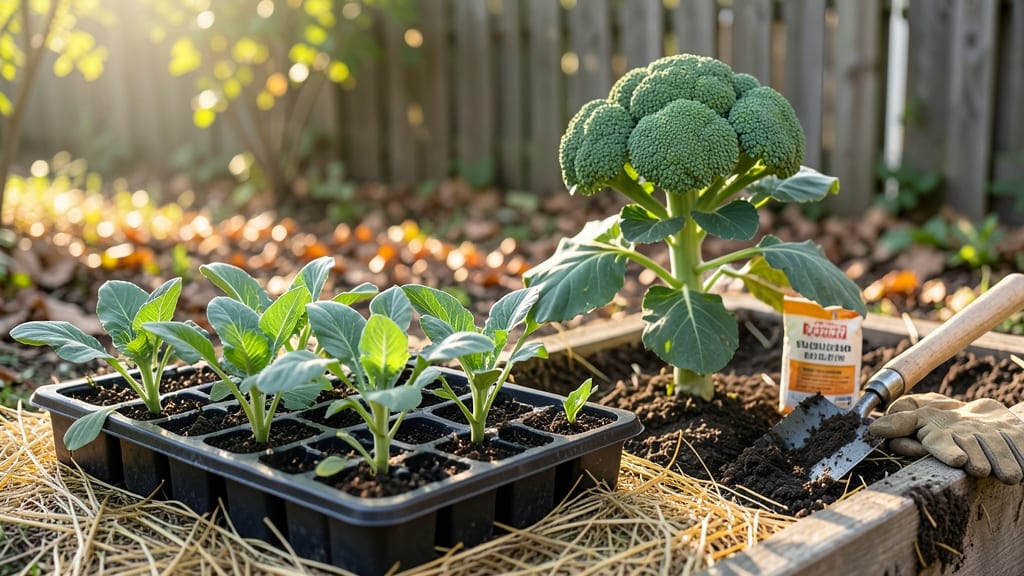
Planting fall vegetables in Ohio means timing your seeds to beat the first frost 🌱 — a window that starts as early as late July in southern Ohio and stretches to mid-August in the north.
Miss that mark, and you’ll either watch your seedlings bolt in the heat or get wiped out before harvest. The good news? Ohio’s climate zones give you a 6-week buffer if you know the right varieties and planting tricks.
This guide breaks down the exact frost-date windows for 15+ cold-hardy crops, from kale to carrots, plus how to adjust for southern Ohio’s earlier freezes or northern Ohio’s lingering warmth.
You’ll learn which crops thrive in succession plantings for extended harvests, how to use row covers to push back frost, and the one soil prep step that doubles your yield.
Ohio fall vegetable planting schedule by frost dates and variety
Ohio’s average first frost dates between October 15 and November 1 create a tight window for fall vegetable planting. Missing this window means lost harvests, but with the right cold-hardy varieties and succession planting strategy, you can enjoy fresh greens and roots well into winter.
The key is understanding each plant’s days to maturity and frost tolerance.
For example, leafy greens like spinach and kale can handle light frosts and even improve in flavor, while broccoli and carrots need to mature before hard freezes.
Below, I’ve mapped out the best planting windows for Ohio’s USDA Zones 5-6, adjusted for southern Ohio’s earlier frosts (Zone 5) and northern Ohio’s slightly later ones (Zone 6).
🌱 Pro Tip: Use row covers or cold frames to extend harvests by 2-4 weeks for frost-sensitive crops like lettuce.
| Vegetable | Zone 5 (Southern OH) | Zone 6 (Northern OH) | Days to Maturity | Frost Tolerance | Succession Planting |
|---|---|---|---|---|---|
| Kale | Aug 15 - Sep 15 | Aug 20 - Sep 20 | 45-60 days | Excellent (sweeter after frost) | Every 2 weeks until Sep 1 |
| Spinach | Aug 1 - Sep 10 | Aug 5 - Sep 15 | 30-50 days | Good (light frost ok) | Every 10 days until Aug 25 |
| Carrots | Jul 15 - Aug 15 | Jul 20 - Aug 20 | 60-80 days | Moderate (harvest before hard frost) | Every 3 weeks until Aug 1 |
| Broccoli | Jul 1 - Aug 10 | Jul 5 - Aug 15 | 60-75 days | Moderate (protect from hard frost) | Single planting (transplant) |
| Lettuce | Aug 1 - Sep 10 | Aug 5 - Sep 15 | 30-50 days | Poor (needs row covers) | Every 10 days until Aug 20 |
| Swiss Chard | Aug 10 - Sep 1 | Aug 15 - Sep 10 | 50-60 days | Excellent (cold-hardy) | Every 2 weeks until Aug 25 |
| Radishes | Aug 1 - Sep 15 | Aug 5 - Sep 20 | 25-30 days | Good (harvest before frost) | Every 7-10 days |
| Beets | Jul 15 - Aug 10 | Jul 20 - Aug 15 | 50-60 days | Good (sweeter after frost) | Every 3 weeks until Aug 1 |
| Turnips |
How to adjust planting dates for Ohio’s microclimates and weather delaysOhio’s diverse geography means planting dates can vary by 2-3 weeks between southern and northern regions. Southern Ohio (like Athens or Chillicothe) often sees its first frost by October 15th, while northern areas (like Cleveland or Toledo) may hold off until October 30th. Always check your local USDA Zone—most of Ohio falls in Zone 5-6—but microclimates near lakes or hills can shift frost dates by 10 days or more. Unexpected weather throws off even the best-laid plans. A late September heatwave can trick plants into bolting, while an early October frost can destroy tender seedlings. The key is flexibility—use a soil thermometer to track ground temperatures and adjust planting windows accordingly. For example, spinach needs soil at 40°F or warmer to germinate, while kale can handle cooler 35°F soils. ⚠️ WARNING: Microclimates and Weather Delays Can Ruin Your Fall Harvest ⚠️ Don’t Plant Too Early or Too Late!Southern Ohio: Shift planting dates 2 weeks earlier than northern Ohio. For example, sow broccoli by August 15th (not September 1st) to ensure a harvest before frost. Use row covers to extend the season by 2-3 weeks if needed. Northern Ohio: Wait until September 1st for cool-season crops like carrots or radishes. If temps drop below 50°F, protect seedlings with floating row covers or a cold frame to avoid stunted growth. Heatwave Tip: If a 90°F+ spell hits in late summer, delay planting until temps fall below 80°F. Water deeply in the early morning to prevent bolting in leafy greens like lettuce. For gardeners in Zone 5 (southern Ohio), start hardy greens like kale or Swiss chard by August 1st—they’ll tolerate light frosts. In Zone 6 (northern Ohio), wait until August 15th to give plants enough time to mature. Use succession planting every 2 weeks to stagger harvests and avoid losing everything to a single frost event. Soil thermometers are your best friend. Aim for 50-60°F soil for most fall crops—any cooler, and germination slows dramatically. If your soil is too cold, try black plastic mulch to warm it up by 5-10°F in just a few days. For root vegetables like beets or turnips, warm soil speeds up growth and prevents woody textures. Row covers and low tunnels can add 4-6°F of protection, pushing back frost dates by 2-3 weeks. For example, if your area’s average first frost is October 20th, a row cover might let you harvest spinach or radishes until November 1st. Just remember to remove covers during the day in humid weather to prevent fungal diseases like downy mildew. Always have a backup plan. Keep a few pots of cold-hardy greens (like spinach) on your porch or in an unheated garage. If a sudden frost hits, you’ll still have fresh greens to harvest. And if summer lingers, opt for heat-tolerant varieties like Malabar spinach or Southern cowpeas to avoid bolting. |