
Vegetables
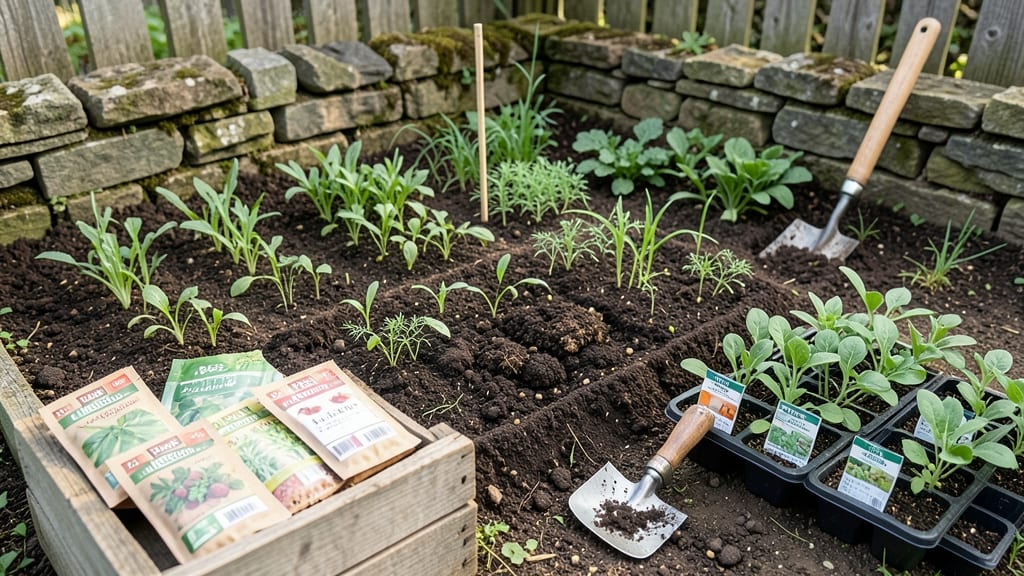
To plant vegetables in Scotland, start hardy crops like peas and broad beans in March—before the last frost—while tender varieties like tomatoes wait until mid-May when coastal areas warm up.
Scotland’s unpredictable climate can make or break your vegetable garden—but timing your planting just right ensures a bountiful harvest even in cooler months. Whether you're a first-time gardener or a seasoned grower, knowing the exact months to sow seeds and transplant seedlings is the key to thriving crops.
Regional differences matter: coastal areas like Edinburgh (USDA Zone 8a) enjoy milder springs, while the Highlands (Zone 6b) face later frost risks. That means succession planting and cloches become your best friends for extending seasons and maximizing yields.
Below, I break down the month-by-month schedule for Scotland’s most productive vegetables—from frost-resistant kale to heat-loving courgettes—plus pro tips for adjusting to your microclimate. Ready to grow?
Scotland’s vegetable planting calendar: month-by-month scheduling for optimal growth
Scotland’s cool climate demands precise timing for vegetable planting, but with the right schedule, you can enjoy fresh produce even in shorter growing seasons.
The key is matching cold-hardy crops like kale and broccoli with warm-season favorites such as tomatoes and peppers—each requiring careful attention to frost dates and regional microclimates. Highland areas (like Inverness) have earlier frosts than Lowland regions (like Edinburgh), so adjust your planting windows accordingly.
For Lowland Scotland, last frosts typically occur in mid-April, while Highland regions may see them as late as early May. Coastal areas benefit from milder temperatures, allowing earlier sowing of heat-loving crops. Always check the Scottish Meteorological Office for local frost forecasts before planting tender varieties.
Here’s your month-by-month guide, tailored to Scotland’s unique growing conditions:
| Month | Cold-Hardy Crops (Direct Sow) | Tender Crops (Start Indoors/Transplant) | Regional Notes |
|---|---|---|---|
| March | Peas, broad beans, spinach, kale, lettuce, radishes | Early potatoes, onions (under cloches) | Highlands: Wait until late March for peas. Lowlands: Sow peas by mid-March. |
| April | Carrots, beetroot, cabbage, Brussels sprouts, spring onions | Tomato & pepper seedlings (after last frost), courgettes | Use fleece for early sowings. Coastal areas can plant outdoors earlier. |
| May | Late lettuce, radishes, salad leaves | Transplant tomatoes, peppers, aubergines (after mid-May) | Highlands: Wait until late May for tender crops. Lowlands: Plant by early May. |
| June | Runner beans, French beans, squash | Second sowings of basil, coriander (for late harvests) | All regions: Ideal for warm-season crops. Mulch to retain moisture. |
| July | Succession plant lettuce, radishes, spinach | None (focus on harvesting) | Water deeply during dry spells. Protect from late frosts in Highlands. |
| August | Late cabbage, kale, winter spinach | None (save energy for harvest) | Prepare for first frosts. Start hardening off overwintering crops. |
| September | Garlic, onions, winter lettuce (under cover) | None (focus on storage crops) | Highlands: Plant garlic by late September. Lowlands: Can extend until October. |
In March, prioritize hardy greens like spinach and kale, which thrive in cooler soil. Start peas and broad beans early, as they germinate quickly in 5–10°C soil. For Highland gardeners, delay sowing until soil warms slightly—use cloches or fleece to protect tender seedlings from late frosts.
By April, soil temperatures rise enough for root vegetables like carrots and beetroot. Transplant potato seedlings outdoors, and begin hardening off tomato and pepper plants started indoors in March. Coastal areas can plant courgettes outdoors by early April, while inland regions should wait until mid-April.
May marks the critical window for heat-loving crops. After the last frost date (typically mid-April in Lowlands, early May in Highlands), transplant tomatoes, peppers, and aubergines into well-drained soil. For succession planting, sow radishes and lettuce every 2–3 weeks to ensure a continuous harvest.
June and July are peak months for warm-season crops. Plant beans, squash, and corn in full sun, and protect them from pests like slugs with organic barriers.
In July, focus on succession sowings of salad leaves and radishes to extend your harvest into autumn. Mulch heavily to retain moisture and suppress weeds.
As temperatures drop in August, shift focus to overwintering crops. Plant garlic and onions for next year’s harvest, and start hardening off kale and spinach to survive early frosts.
In September, protect tender crops with fleece or cloches, and begin storing potatoes and squash in cool, dark places.
Scotland’s
How to adjust planting times for Scotland’s unpredictable weather patterns
Scotland’s cool, variable climate demands flexibility in your planting schedule. A late frost in May or an unseasonably warm April can throw off even the most experienced gardener.
The key is to monitor local frost dates and soil temperatures while using protective tools like cloches and polytunnels to extend your growing season. I’ve learned that succession planting is my secret weapon—it ensures a steady harvest even when Mother Nature throws curveballs.
Start by checking the Scottish Meteorological Office for your region’s last frost dates. Coastal areas like Edinburgh typically see their last frost around mid-April, while inland spots like Glasgow may wait until early May.
For tender crops like tomatoes and courgettes, hold off until after these dates. But for hardy greens like kale or spinach, you can plant as early as March under cloches or fleece.
⚠️ WARNING: Premature Planting Pitfalls ⚠️
- Planting too early without protection—even hardy crops like peas can suffer in sub-40°F soil.
- Missing succession windows for fast growers like radishes or lettuce, leading to bolting.
- Ignoring microclimates: A sheltered south-facing plot warms up 2-3 weeks earlier than an exposed Highland garden.
To extend your growing season, invest in low-cost cloches (as little as £5 each) for early sowings of salad leaves and herbs. These simple glass or plastic domes can raise soil temps by 10-15°F, letting you plant 4-6 weeks earlier.
For a bigger project, a polytunnel (starting around £200) lets you grow tomatoes and peppers year-round with a heating mat during winter dips.
My succession planting strategy involves sowing half my lettuce seeds every 2 weeks from April to July. This ensures a continuous harvest instead of one big crop that bolts in hot June weather.
For root vegetables like beetroot or turnips, I stagger plantings every 3 weeks to avoid overcrowding. Even broad beans, which are hardy, benefit from staggered sowings—they mature at different rates, giving you pods from June through August.
Don’t forget to adjust for your specific location. Highland gardens have shorter frost-free periods (around 120 days vs. 180 days in coastal areas), so focus on fast-maturing varieties like ‘Early Wonder’ peas or ‘Little Gem’ lettuce.
Meanwhile, in Edinburgh’s milder climate, you can push the envelope with late-season tomatoes or autumn squash by using row covers until mid-October.
Finally, keep a gardening journal to track what works. Note which planting dates align with your first harvests, and adjust the following year. For example, I learned that sowing spinach in late August under fleece gives me tender leaves in October—something I’d never have guessed without testing.
Scotland’s weather may be unpredictable, but with these strategies, you’ll turn its challenges into harvesting opportunities. 🌱