
Planting
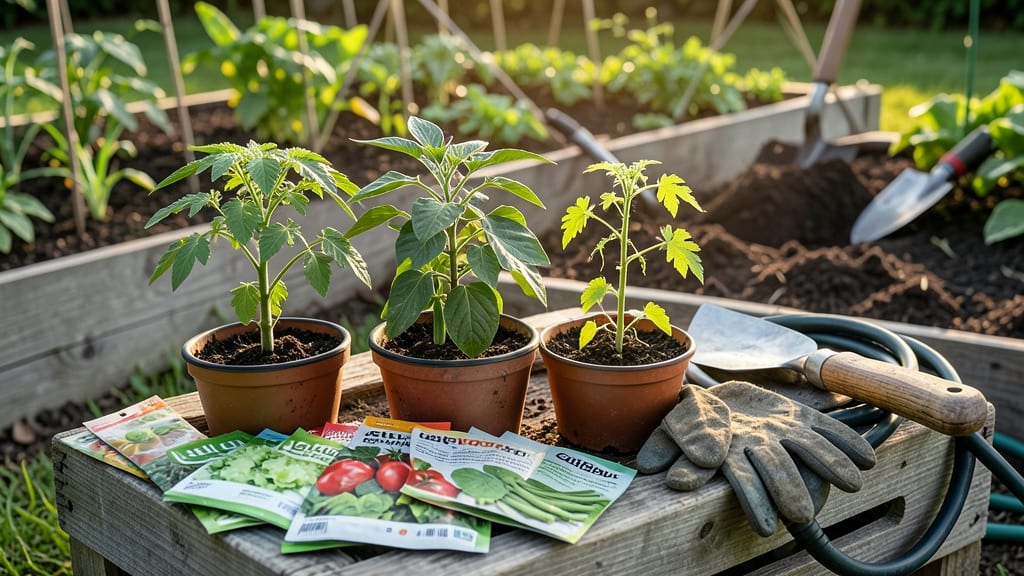
Planting your vegetable garden in Oklahoma at the right time means the difference between a thriving harvest and wasted effort — and the window opens earlier than most gardeners realize.
Oklahoma’s unpredictable weather can make timing your vegetable garden tricky—but planting at the wrong time means wilted dreams instead of a thriving harvest. Mastering the state’s frost dates and microclimates is your secret weapon for a bountiful garden.
In USDA Zones 6a-8a, the ideal window for cool-season crops like lettuce and peas starts as early as late February in southern Oklahoma, while northern areas wait until mid-March.
Warm-season favorites like tomatoes and peppers, though, need to wait until two weeks after the last frost, usually late April.
Here’s how to align your planting with Oklahoma’s 180 frost-free days, plus crop-specific tips to maximize your garden’s potential year after year.
Oklahoma’s frost dates by region: critical planting windows for vegetables
Oklahoma spans USDA hardiness zones 6a through 8a, creating dramatic differences in frost timing across the state.
In the northern panhandle (Zone 6a), gardeners face earlier last frosts (March 15) and colder winters, while southern Oklahoma (Zone 8a) enjoys later last frosts (March 1) and longer growing seasons. These variations mean your cool-season crops like lettuce and warm-season favorites like tomatoes need precise timing.
Understanding these regional frost windows helps you avoid late spring freezes that can devastate young seedlings or missed harvests when summer heat arrives too early. For example, Zone 7a (central Oklahoma) has a 180-day frost-free period, while Zone 6a only gets 160 days.
This means fast-maturing varieties are essential in northern areas.
Here’s how I break down Oklahoma’s frost dates by region to help you plan:
| Region & Zone | Avg Last Frost | Avg First Frost | Frost-Free Days | Cool-Season Planting | Warm-Season Planting |
|---|---|---|---|---|---|
| Northern Panhandle (6a) | March 15 | November 15 | 160 days | Feb 15 - Mar 15 | May 1 - May 15 |
| Central OK (7a) | March 10 | November 10 | 180 days | Feb 20 - Mar 20 | Apr 15 - Apr 30 |
| Southern OK (8a) | March 1 | November 25 | 240 days | Mar 1 - Mar 15 | Mar 20 - Apr 15 |
For cool-season vegetables like kale, spinach, and broccoli, I plant 4-6 weeks before the last frost—so in Zone 6a, that’s February 15, while in Zone 8a, you can wait until March 1.
These crops thrive in 50-65°F soil and can handle light frosts, making them ideal for Oklahoma’s spring and fall.
Warm-season crops like tomatoes, peppers, and cucumbers need soil temperatures above 60°F to germinate. In northern Oklahoma, I wait until May 1 to plant these, while southern gardeners can start as early as March 20.
Using black plastic mulch can warm soil faster in cooler zones, giving you an extra 2 weeks of planting time.
Microclimates add another layer of complexity. Urban areas like Oklahoma City experience heat islands that can delay first frosts by 1-2 weeks compared to rural areas.
Meanwhile, elevated regions like the Wichita Mountains may see earlier frosts. To adjust, I monitor local weather stations and use row covers for late-season crops.
Oklahoma State University Extension Service recommends planting calendars tailored to your zone. For example, Zone 7b gardeners can try two crops of tomatoes: one in early May and another in late July for a fall harvest. This succession planting maximizes your 180-day growing window.
Don’t forget to account for unpredictable late frosts. Even after the average last frost date, a 28°F night can damage tender seedlings. I always keep frost cloth on hand for high-value crops like peppers and eggplants, which are sensitive to cold.
For precise timing, check the Oklahoma Mesonet for real-time temperature data. Their 10-day forecasts help me decide when to harden off seedlings or cover young plants. With these regional frost guidelines and microclimate adjustments, you’ll turn Oklahoma’s challenging climate into a harvesting goldmine. 🌱
Best vegetables to plant in Oklahoma by season (with exact months)
Oklahoma’s long growing season and hot summers mean you can grow a year-round vegetable garden with the right timing. The key is understanding which heat-tolerant varieties thrive in summer and which cool-season crops handle Oklahoma’s chilly winters.
Whether you’re a beginner or seasoned gardener, these month-by-month planting tips will help you maximize your harvest.
Start with cool-season crops like lettuce and peas in early spring (February-March) before the last frost. Then transition to warm-season favorites like tomatoes and peppers in late spring (April-May). For fall, plant cold-hardy greens like kale and spinach in August-September to enjoy harvests until first frost.
- March-April: Plant cool-season crops like lettuce, spinach, peas, and broccoli. Hardy greens thrive in 50-60°F soil.
- April-May: Transition to warm-season crops like tomatoes, peppers, and squash 2-3 weeks after last frost (typically mid-April).
- June-July: Sow heat-loving crops like okra, sweet potatoes, and southern peas. Succession plant beans and cucumbers every 2 weeks.
- August-September: Plant fall greens (kale, collards, mustard greens) and cool-season root crops (carrots, radishes) for harvest before frost.
- September-October: Extend season with cold frames for spinach, lettuce, and herbs. Harvest warm-season crops before first frost.
For continuous harvests, use succession planting techniques. For example, sow lettuce every 2 weeks from March to September to ensure fresh greens year-round. Heat-tolerant varieties like ‘Heatmaster’ tomatoes and ‘Black Beauty’ eggplants perform best in Oklahoma’s 90°F+ summers.
Don’t overlook fall planting—Oklahoma’s mild winters allow for late-season harvests. Plant garlic in October for next year’s crop, and spinach in September to enjoy tender greens in December-January. Mulch heavily to protect roots from freeze-thaw cycles.
Adjust planting times based on your USDA zone. Northern Oklahoma (Zone 6a) has earlier frosts than southern Oklahoma (Zone 8a), so start cool-season crops 2-3 weeks earlier in the north. Use row covers to extend spring and fall growing windows by 3-4 weeks.
With this seasonal planting guide, you’ll avoid bolting greens in summer or frost-damaged crops in fall. Happy gardening—your Oklahoma harvest awaits! 🌱🥔