
Plants
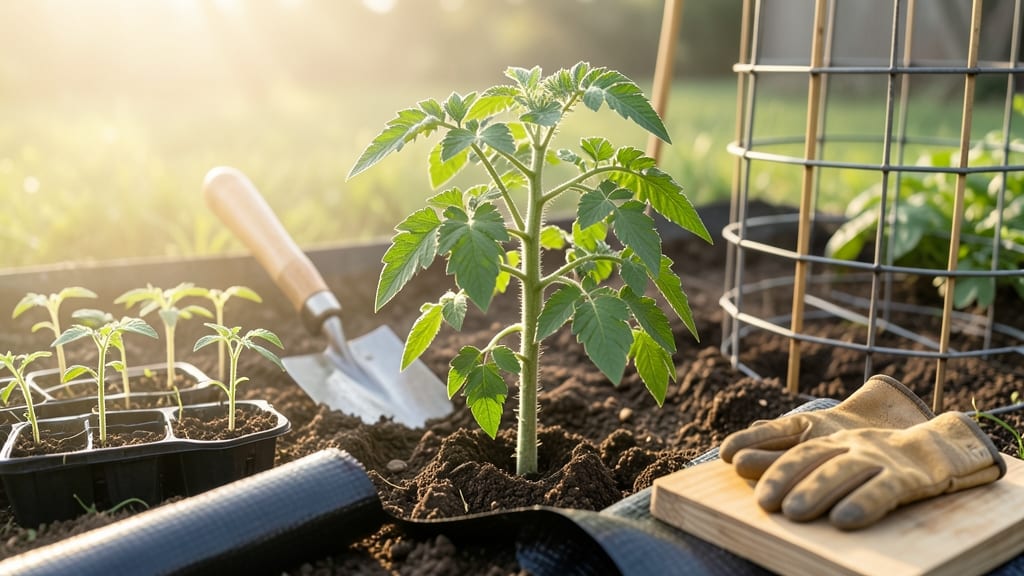
Planting tomatoes in Wichita, Kansas, starts after the last frost — typically between April 15 and May 15 — when soil warms to at least 60°F.
Wichita’s hot summers and unpredictable spring frost can make tomato planting a high-stakes game—get the timing wrong, and your plants could freeze before fruiting. But with the right frost-free timeline, you’ll be harvesting juicy, vine-ripened 🍅 all season long.
This isn’t just about avoiding frost; it’s about giving your tomatoes the 60-90 days they need to mature before summer’s heat arrives. Start seeds indoors in early March for a head start, but transplant outdoors only after the soil is warm enough and all frost risk has passed.
Below, I’ll break down the exact frost dates for Wichita’s USDA Zone 6b, the best varieties for your climate, and how to stretch your growing season for bigger yields.
Wichita Kansas frost dates and ideal tomato planting windows
Wichita’s USDA Zone 7a/7b climate means your tomato plants must survive unpredictable spring frosts and early fall freezes. The average last spring frost arrives between April 15–May 1, while the first fall frost typically hits October 15–November 1.
Timing your tomato transplants correctly ensures healthy growth and a bountiful harvest before cold snaps arrive.
For determinate varieties (bush tomatoes), aim to transplant 2–3 weeks after your last frost date—usually by May 1–15.
These varieties mature faster (60–70 days), making them ideal for Wichita’s shorter growing season. Indeterminate varieties (vining tomatoes) need more time to establish roots and produce fruit, so transplant them 1–2 weeks earlier, around April 25–May 10, once soil temperatures reach 60°F+.
Here’s a quick reference for Wichita’s tomato planting windows based on your variety and local frost averages:
If you’re starting seeds indoors, begin 6–8 weeks before your last frost date (around March 1–15). Use seedling trays with a heat mat to maintain 70–75°F soil temps.
Once seedlings have 2–3 true leaves, harden them off by placing them outside during the day (starting with 1–2 hours) and bringing them back in at night for 7–10 days
For direct sowing, wait until May 15–June 1 when soil temperatures consistently stay above 60°F. Direct-sown tomatoes may take longer to mature but can be a good option if you miss the transplant window. Plant seeds ½ inch deep and space them 1–2 inches apart, thinning to 18–24 inches apart once seedlings emerge. Wichita’s summer heat can stress tomato plants, so choose shade cloth (30–50%) for afternoon protection if temperatures exceed 90°F. Mulch with straw or black plastic to retain moisture and regulate soil temperature. Drip irrigation is ideal—it delivers water directly to the roots while keeping foliage dry, reducing disease risk. Monitor your local frost forecast using resources like the National Weather Service or Old Farmer’s Almanac. Wichita’s microclimates can vary, so check your specific neighborhood’s frost history. If an unexpected late frost threatens, cover plants with frost blankets or row covers to protect tender foliage. By following these planting windows and adapting to Wichita’s climate, you’ll maximize your tomato harvest from July through October. Whether you’re growing cherry tomatoes, beefsteaks, or roma varieties, precise timing ensures your plants thrive—and your kitchen stays stocked with homegrown flavor all season long. 🍅
How to extend your tomato growing season in Wichita’s climate
Wichita’s hot summers and unpredictable frost can cut your tomato harvest short—but smart strategies let you enjoy homegrown tomatoes for months. By combining season-extending tools with heat-resistant varieties, you’ll turn Wichita’s 165 frost-free days into a tomato bonanza.
The key? Start early, protect young plants, and choose varieties that thrive in 90°F+ temperatures.
My top trick? Use row covers and cold frames to shield seedlings from late spring frosts while giving them a head start. These simple tools can add 2-4 weeks to your growing season, letting you plant earlier and harvest later.
Pair them with succession planting—staggering your plantings every 2 weeks—to keep tomatoes ripening continuously until frost.
- 1 Use floating row covers from April 1–May 15 to protect seedlings from late frosts while allowing sunlight and water.
- 2 Install cold frames or low tunnels over transplants to warm soil by 10–15°F, letting you plant 3 weeks earlier.
- 3 Plant heat-tolerant varieties like 'Heatmaster' or 'Solar Fire', which thrive in 95°F+ without wilting.
- 4 Practice succession planting: Add new seedlings every 2 weeks from May–July for continuous harvests.
- 5 Mulch with straw or black plastic to retain moisture and keep roots 10°F cooler during heatwaves.
For late-season protection, I swear by shade cloth during Wichita’s 95°F+ heatwaves. A 30–50% shade cloth draped over cages reduces stress on plants, preventing sunscald and blossom drop. Pair it with drip irrigation to keep soil evenly moist—tomatoes hate dry roots!
I also recommend pruning suckers aggressively in summer to redirect energy to fruit production rather than foliage.
Don’t overlook fall planting either! In Wichita, you can still tuck in cold-hardy varieties like 'Stupice' or 'Glacier' in early September. These varieties tolerate 40°F nights and ripen before frost.
Use black plastic mulch to absorb heat during the day and radiate it back at night, giving your tomatoes a 2-week head start.
Pro tip: Monitor your local microclimate. South-facing gardens stay 5–10°F warmer than north sides, so plant heat-lovers there. If your yard has wind exposure, add windbreaks (like cornstalks or bamboo fencing) to protect young plants from drying out.
With these tricks, I’ve stretched my tomato season from July to October—and you can too!