
Vegetables
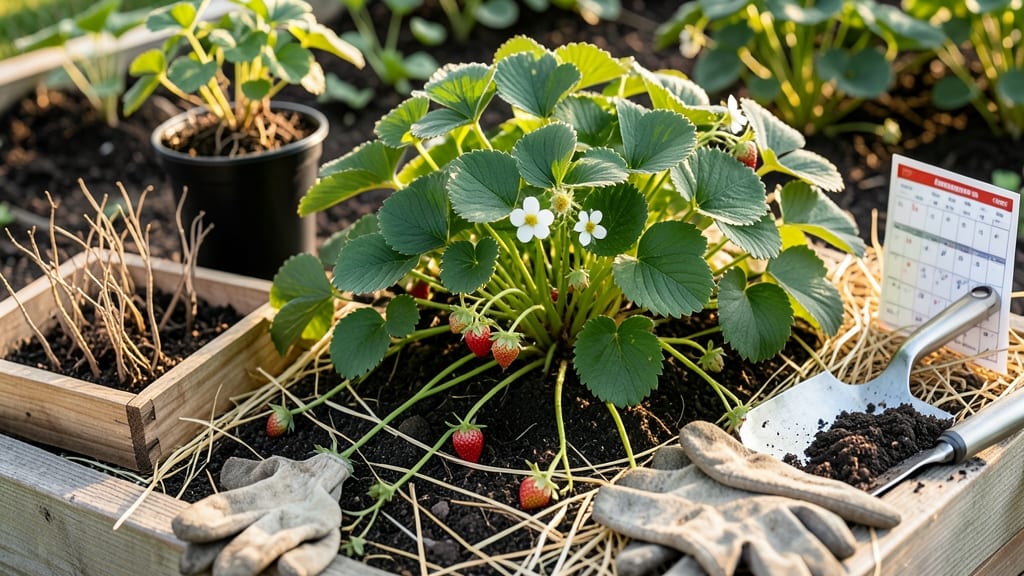
To plant strawberries in Georgia at the perfect time means juicy, abundant harvests—spring or fall, but never too early or too late.
Georgia’s warm climate and long growing season make strawberries thrive—but planting them at the wrong time can mean smaller harvests or even crop failure. Timing is everything for juicy, abundant berries that sweeten your summer.
For Georgia’s 7b-8b zones, the best windows are early spring (February–March) for bare-root plants or late summer (July–August) for crowns. Each region has its own microclimate quirks, from Atlanta’s mild winters to coastal Savannah’s humidity.
Below, I break down the exact months to plant, how to prep your soil for Georgia’s pests, and why a few weeks’ difference can mean the difference between a thriving patch and a sad few berries.
Best planting months for strawberries in Georgia’s climate zones
Georgia’s USDA zones 7b-8a create perfect conditions for strawberries, but timing your planting is critical. The Peach State’s warm winters and humid summers mean you can grow strawberries year-round, but the best harvests come from strategic planting in either early spring or late summer.
Let’s break down the ideal windows for Georgia’s diverse microclimates, from cool mountain valleys to hot coastal plains.
For most of Georgia, the optimal planting windows are February-March for spring-bearing varieties and July-August for ever-bearing types. However, your exact timing depends on your local frost dates and whether you’re planting bare-root plants or crowns.
Atlanta gardeners typically plant 4-6 weeks before last frost (around mid-March), while Savannah’s longer growing season allows for extended fall planting up to early October.
Here’s a quick reference for Georgia’s climate zones and planting windows to maximize your strawberry yield:
Spring planting (February-March) is ideal for June-bearing varieties like Chandler or Camarosa, which produce one massive harvest. These varieties need chilling hours (300-500) to set fruit, making them perfect for Georgia’s cooler winter months. Plant bare-root plants in well-draining soil and keep them consistently moist until established.
For a prolonged harvest, consider ever-bearing varieties like Seascape or Ozark Beauty. These thrive when planted in late summer (July-August), producing fruit in both fall and spring.
This strategy works especially well in Zone 8a areas like Macon or Columbus, where winters are mild enough to avoid frost damage to young plants.
Georgia’s humid summers can stress strawberries, so late summer planting gives them time to establish roots before the heat peaks. Use drip irrigation to keep leaves dry and reduce fungal diseases like gray mold.
For coastal areas, September planting avoids the worst summer heat while still allowing time for root development before winter rains arrive.
Microclimates play a huge role in Georgia. Atlanta’s Piedmont region has cooler nights than Savannah, so spring planting benefits from slightly later dates. Meanwhile, coastal areas can plant ever-bearing varieties as late as early October for winter harvests.
Always check your local frost dates—the University of Georgia Extension provides excellent frost risk maps for precise planning.
One common mistake is planting too early in cold microclimates, which can lead to frost damage or poor root establishment. Conversely, planting too late in hot zones may stress plants before they establish.
For best results, aim to plant when soil temperatures reach 50°F (10°C)—use a soil thermometer to check. In containers, you can extend planting windows by 2-3 weeks since pots warm up faster.
How to prepare your Georgia garden for strawberry planting success
Georgia’s strawberry plants thrive with the right preparation, especially in our humid subtropical climate. Proper soil prep and pest management can mean the difference between a bountiful harvest and struggling plants.
Let’s break down the essential steps to set your strawberries up for success, whether you’re planting in early spring or late summer.
First, focus on well-draining soil with a slightly acidic pH (5.8-6.5). Georgia’s clay-heavy soils often need amendments like compost or peat moss to improve aeration. Test your soil before planting—many UGA Extension offices offer affordable testing kits.
Strawberries also need 6-10 hours of sunlight daily, so choose a south-facing spot with minimal shade from trees or fences.
Step-by-Step Preparation for Georgia Strawberries
- 1 Test and amend soil: Aim for 6.0-6.5 pH using lime (to raise pH) or sulfur (to lower pH). Mix in 2-3 inches of compost or well-rotted manure.
- 2 Choose the right location: Select a sunny, slightly elevated spot to prevent waterlogging. Avoid low areas where gray mold thrives in damp conditions.
- 3 Plant at the correct depth: For bare-root plants, soak roots for 1 hour before planting. Set crowns 1/2 inch above soil to prevent rot. Space plants 12-18 inches apart in rows 2-3 feet apart.
- 4 Protect against pests: Use floating row covers in early spring to deter strawberry bud weevils. Apply organic mulch (straw or pine needles) to suppress weeds and retain moisture.
- 5 Water deeply but infrequently: Aim for 1-1.5 inches per week, watering at the base of plants in the early morning to reduce fungal risks like gray mold.
Georgia’s humidity and heat create ideal conditions for strawberry diseases, so companion planting is key. Pair strawberries with basil, thyme, or onions to repel pests like slugs and aphids.
Avoid planting near potatoes or tomatoes, which can attract shared pests. If you notice yellowing leaves or moldy berries, prune affected areas immediately and improve airflow.
For fall planting (July-August), focus on June-bearing varieties like Chandler or Camarosa, which establish roots before winter. In spring (February-March), opt for everbearing varieties like Seascape or Albion for continuous harvests.
Always check the last frost date for your Georgia region—Atlanta’s last frost is typically mid-March, while Savannah’s is early March.
After planting, apply a 2-inch layer of mulch to retain moisture and suppress weeds. Replenish mulch every 2-3 months during the growing season. Strawberries are perennial in Georgia, so with proper care, they’ll produce for 2-3 years before needing replacement. Rotate planting locations yearly to prevent soil-borne diseases.
With these steps, your Georgia garden will be primed for sweet, juicy strawberries all season long. Remember, consistent care—from soil prep to pest control—is the secret to a thriving strawberry patch. Happy planting! 🌱