
Companion Plants
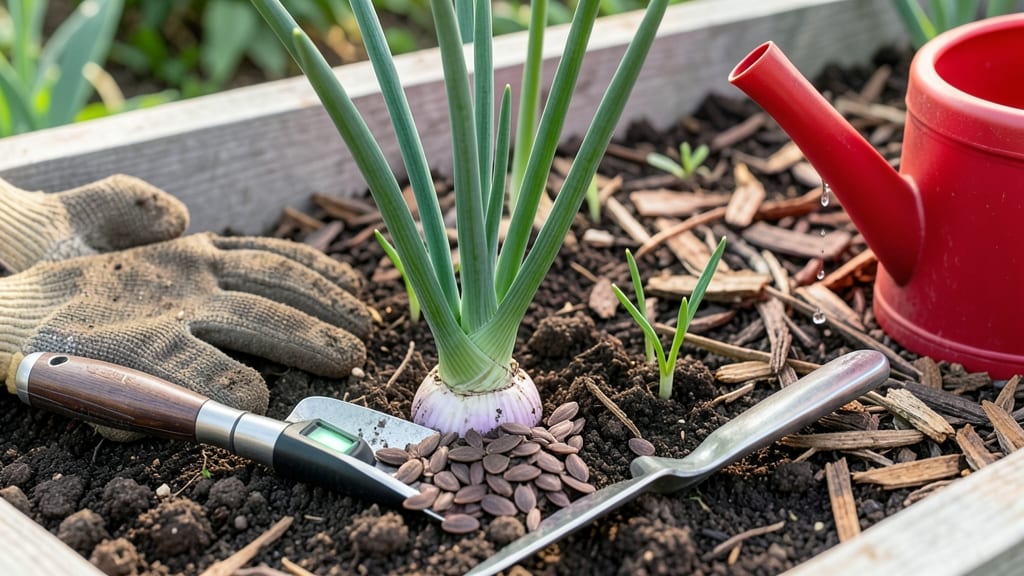
Planting spring onions in Pennsylvania at the right time ensures a fast, sweet harvest before the heat sets in — aim for early spring or late summer for the best results.
Timing is everything when growing spring onions in Pennsylvania—plant too early, and frost ruins your crop; too late, and you miss the sweet, early harvest season.
In USDA Zone 6a, your best bet is to sow seeds 4-6 weeks before your last frost (around mid-March to early April) for a spring harvest, or again in August for a fall crop.
Follow this guide to avoid common mistakes, extend your harvest, and enjoy fresh 🧅 green onions all season long.
PA spring onion planting dates by frost-free Zone & county
Pennsylvania's diverse climate—from USDA Zone 5a in the Poconos to Zone 7a in the southeast—means your spring onion planting dates should align with your local last frost date.
In Philadelphia, you can start seeds indoors as early as late February, while Erie gardeners should wait until mid-April to avoid frost damage. Understanding these regional differences ensures your green onions thrive and reach harvest in 45-60 days.
Spring onions are one of the most cold-hardy vegetables you can grow, tolerating light frosts down to 20°F. This resilience lets you plant them 4-6 weeks before your average last frost date.
For southern PA counties like Chester, planting can begin in early March, while northern regions like Bradford should wait until late April.
Microclimates play a huge role in PA gardening. A south-facing slope in Lancaster County might warm up faster than a valley garden in Luzerne County. Use these localized planting windows as guidelines, then adjust based on your specific garden conditions.
For example, if your yard sits in a frost pocket, delay planting by 1-2 weeks.
Here’s a county-by-county breakdown of ideal planting dates for spring onions, based on historical frost data and USDA zones. These windows assume you’re planting seeds directly outdoors—if you’re starting indoors, add 4-6 weeks to these dates.
For fastest harvests, aim to plant your spring onions so they reach maturity before the heat of July. In hotter zones like Chester County, you might want to focus on early spring plantings and switch to fall crops later in the year.
Fall planting is also an option—sow seeds 8-10 weeks before your first frost (typically late August in most of PA) for a late fall harvest.
When planning your spring onion garden, consider succession planting every 2 weeks for a continuous harvest. This works especially well in USDA Zone 7a areas where the growing season is longer.
For example, in Philadelphia, you could plant on March 15, April 1, and April 15 to ensure fresh green onions all spring.
Soil temperature matters just as much as air temperature. Spring onions germinate best in soil that’s at least 40°F. Use a soil thermometer to check—if temperatures are below this, wait 1-2 weeks or use black plastic mulch to warm the soil faster.
In cooler northern counties like Wyoming, this could mean delaying planting until late April.
Don’t forget about light requirements: spring onions need 6+ hours of sun daily for sweet, flavorful growth. If your garden is shady, choose partial shade-tolerant varieties like ’Evergreen Hardy White’, which can handle 4-6 hours of sun. In urban gardens with limited space, container-growing works well
How to extend your spring onion harvest season in PA
Want fresh green onions all season? The secret is succession planting—staggering your harvests so you never run out. Spring onions are one of the easiest crops to extend, thanks to their quick growth cycle (30-60 days to maturity).
By using this method, you can enjoy continuous harvests from early spring through late summer without gaps.
Start by choosing cold-hardy varieties like 'Evergreen Hardy White' or 'Stuttgarter'—they tolerate light frost and grow well in Pennsylvania's unpredictable spring weather. These varieties also handle cooler soil temperatures better, giving you an edge in early plantings.
Soil prep is your foundation. Amend your garden beds with compost or aged manure before planting to ensure good drainage and nutrient-rich soil. Spring onions prefer loose, well-draining soil that retains moisture without becoming waterlogged. A pH between 6.0-7.0 is ideal for optimal growth.
- 1 First Planting: Start seeds 4-6 weeks before last frost (mid-March to early April in PA). Use row covers if frost threatens.
- 2 Succession Plant: Sow new seeds every 2-3 weeks until early June. This ensures a steady supply of young onions for harvesting.
- 3 Fall Planting: For late-season harvests, plant again in late July to early August. These will mature by fall, giving you onions until first frost.
- 4 Harvest Strategy: Harvest outer leaves as needed to encourage regrowth. For full onions, pull when bulbs reach ½ to 1 inch in diameter.
Don’t overlook container gardening if space is limited. Grow spring onions in pots or hanging baskets on your balcony or patio. Use a well-draining potting mix and place containers where they’ll get at least 6 hours of sunlight. This method works perfectly for extending harvests in urban areas.
Keep an eye on pests like onion flies and thrips, which can damage your crop. Use row covers or companion plants like carrots or lettuce to deter pests naturally. Regularly inspect your plants and remove any damaged leaves to prevent spread.
With these strategies, you’ll enjoy a continuous supply of fresh spring onions from early spring through late summer—no grocery store needed! The key is planning ahead and staying consistent with your plantings. Happy gardening! 🌱