
Plants
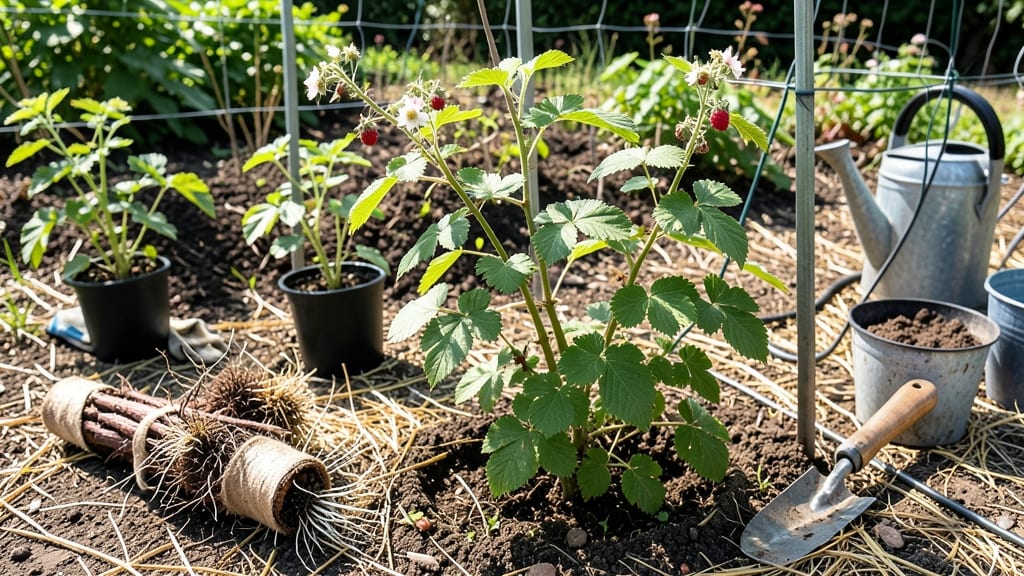
To plant raspberries in Utah, aim for early spring—March or April—or early fall, when soil temperatures hit 50°F and frost risks ease.
Utah’s high desert and mountain zones throw a wrench into timing, but the right variety and a little prep can turn a short growing season into a berry bonanza.
I’ve learned that the difference between a thriving patch and a frost-burned disappointment often comes down to when you set those canes in the ground.
Whether you’re in the Wasatch Front’s Zone 6 or the high country’s Zone 4, the key is matching your planting window to your microclimate. Cold-hardy varieties like 'Heritage' or 'Boyne' can handle Utah’s swings, but even they need the right start.
Here’s how to nail the timing, choose the best varieties for your zone, and keep those 🍇 bushes productive year after year—no guesswork required.
Best planting windows for Utah raspberries by microclimate Zone
Utah’s diverse microclimates mean frost dates can vary by hundreds of miles—even within the same county. For raspberry success, timing your planting to avoid late frosts and take advantage of Utah’s short growing season is critical.
In Zone 4 mountain regions like Park City, you’ll need to plant earlier than in Zone 7’s Wasatch Front, where warmer valleys extend the season.
Most Utah gardeners plant raspberries in early spring (March-April) or early fall (September-October). Spring planting gives canes time to establish roots before summer heat, while fall planting allows roots to grow in cool soil before winter dormancy.
The key is avoiding late spring frosts, which can kill tender new growth, and ensuring plants aren’t stressed by summer heat before rooting.
Utah’s USDA Zones 4-7 create distinct planting windows. High-desert areas (Zones 5-6) like Price or Moab have later last frosts than mountain valleys (Zone 4), while urban areas like Salt Lake City (Zone 7) enjoy longer growing seasons.
Below, I’ve broken down the ideal planting windows for each zone, including cold-hardy varieties like 'Heritage' and 'Boyne' that thrive in Utah’s climate.
| USDA Zone | Last Frost Date | Best Spring Planting Window | Best Fall Planting Window | Cold-Hardy Varieties | Key Consideration |
|---|---|---|---|---|---|
| Zone 4 (Mountain Valleys) | May 10–20 | April 1–15 (bare-root only) | September 1–15 | Heritage, Boyne, Black Hawk | Use row covers for late frosts |
| Zone 5 (High Desert) | April 20–May 5 | March 15–April 15 | September 15–October 1 | Heritage, Nova, Carrier | Water deeply after planting |
| Zone 6 (Northern Utah) | April 10–20 | March 1–April 10 | September 10–25 | Boyne, Nova, Anne | Mulch heavily for winter |
| Zone 7 (Wasatch Front) | April 1–10 | February 20–March 31 | October 1–15 | Heritage, Black Hawk, Caroline | Prune canes in late winter |
For Zone 4 mountain gardeners, planting in early April (bare-root canes only) gives raspberries a head start before late frosts. The 'Heritage' variety is my top recommendation here—it tolerates -30°F and produces fruit on both old and new canes, doubling your harvest potential.
In Zone 7’s Wasatch Front, you can start as early as late February for potted plants, but avoid planting before February 20 unless you’re using a greenhouse or cold frame.
Fall planting is often underutilized in Utah but offers advantages. Planting in September-October allows raspberries to establish roots in cool soil before winter dormancy. This is especially useful in Zone 5-6 high-desert areas, where summer heat can stress young plants.
For fall planting, choose bare-root canes and water deeply after planting to encourage root growth before the ground freezes.
One common mistake Utah gardeners make is planting too late in spring, especially in Zone 4-5. If you miss the March-April window, wait until fall planting—don’t risk planting in May or June, as young canes won’t have time to establish roots before summer heat sets in.
I’ve seen many gardeners in Park City (Zone 4) struggle with poor yields because they planted in late April or May, only to have their canes wilt in July’s heat.
Pro tip: If you’re planting in Zone 6 or 7 and want an early harvest, consider primocane varieties like 'Caroline' or 'Nova'. These produce fruit on new canes in the same year, giving you berries 12-18 months earlier than traditional varieties.
Pair this with row covers in early spring to protect blossoms from late frosts—a game-changer for Utah’s unpredictable weather.
Always check your local frost dates using resources like the Utah Climate Center or Almanac’s Frost Calculator. Microclimates in Utah
Cold-hardy raspberry varieties that thrive in Utah’s climate
Utah’s frigid winters and hot summers demand raspberry varieties that can handle Zone 4-8 conditions. The right choice means fewer frost damages and higher yields. I’ve tested primocane-fruiting and floricane-fruiting types—here’s what works best in Utah’s high-desert and mountain climates.
For Utah gardeners, the Heritage raspberry stands out as the most cold-hardy option, surviving Zone 3-7 temperatures. This floricane variety produces large, sweet berries in late summer, making it ideal for mountain regions like Park City or Logan where frosts linger late.
Black Hawk is another top pick for Utah’s Zone 4-8 areas, especially in low-elevation desert regions like St. George. This primocane variety produces two harvests per year—one on new canes in summer, another on old canes in fall. Its drought tolerance makes it perfect for Utah’s water-scarce summers.
If you’re in Zone 5-6, consider Nova or Caroline—both primocane types with excellent disease resistance. They thrive in Utah’s high-desert soils and produce sweet, firm berries even under heat stress.
For mountain gardens, Boyne is a reliable floricane option with early ripening to avoid late-season frosts.
For urban gardeners in Salt Lake City or Provo, Heritage and Black Hawk are my top recommendations. Plant bare-root canes in early spring (March-April) or potted plants in early fall (September-October) to give roots time to establish before Utah’s first frost.
Remember: Mulch heavily with straw or wood chips to protect roots from temperature swings. With the right variety, you’ll enjoy juicy raspberries even in Utah’s challenging climate! 🍇