
Plants
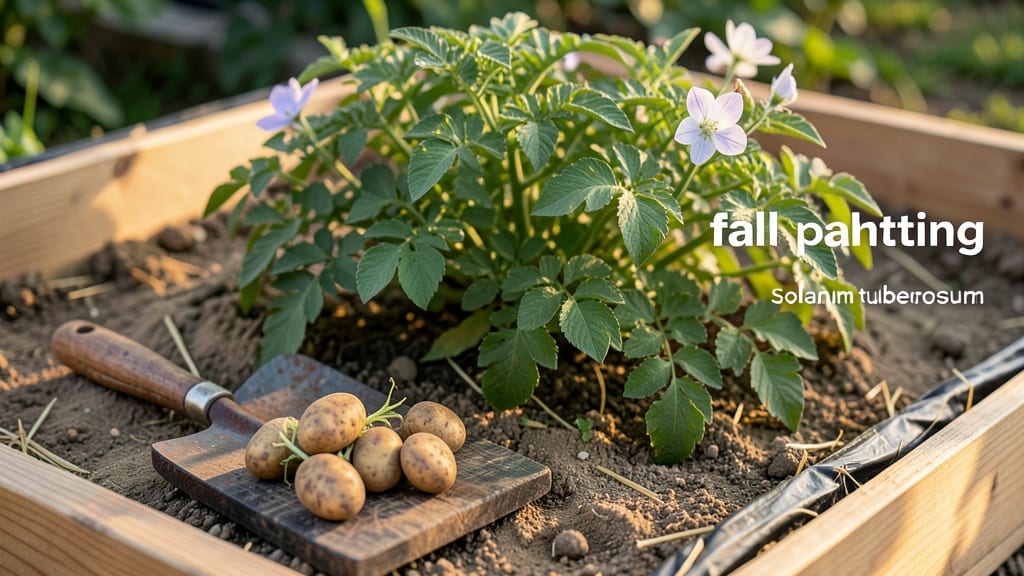
Plant potatoes in Arizona during fall (September–November) or early spring (February–March) to avoid the brutal summer heat and maximize your harvest.
Picture this: you’ve spent hours prepping your garden bed, only to watch your 🥔 plants bolt into flower or shrivel under 110°F temps. That’s the risk when you plant at the wrong time in Arizona’s desert climate.
Timing isn’t just about avoiding frost—it’s about soil temperatures, monsoon timing, and even elevation. High desert areas like Flagstaff have a longer frost-free window than Phoenix, meaning your planting schedule should shift with the terrain.
In this guide, I’ll break down the exact frost-free windows for Arizona’s Low, High, and White Mountain regions, plus how to stretch your growing season with shade and mulch for a bountiful harvest.
Best Arizona potato planting windows by region (frost-free deadlines)
Arizona’s diverse climate zones create wildly different potato planting windows. In the Low Desert (Phoenix/Tucson), where summers hit 110°F+, planting in fall is ideal—avoid spring heat. Meanwhile, the High Desert (Flagstaff) and White Mountains face frost risks until mid-March, allowing earlier spring plantings.
Soil temperatures below 45°F can stunt growth, so timing matters more here than almost anywhere else.
Potatoes thrive in 60–70°F soil and cool air temps (50–75°F). Arizona’s Low Desert has no frost risk, but High Desert areas like Flagstaff average last frost dates between January 15–March 1.
The White Mountains (Higher elevation) can see frost until mid-April, delaying spring plantings by weeks. Use these regional deadlines to align with your local microclimate.
Here’s a side-by-side comparison of planting windows by region, including soil temperature thresholds and last frost averages to guide your schedule:
In the Low Desert, focus on fall planting (September–November) to avoid 100°F+ soil in summer. Use shade cloth (30–50%) if planting in late spring emergencies.
The High Desert and White Mountains can squeeze in spring plantings as early as March–April, but monitor soil temps—potatoes won’t sprout below 45°F. A soil thermometer ($10–$15) is your best friend here.
Pro tip: Chit your seed potatoes (expose to light for 2–3 weeks before planting) to jumpstart growth in Arizona’s short windows. This gives you a 2–3 week head start on sprouting, critical for High Desert regions where the growing season is compressed.
Pair this with mulch (straw or grass clippings) to keep soil temps stable—swinging temps (hot days, cold nights) stress potatoes and reduce yields.
For Low Desert gardeners, Yuma Gold and Red LaSoda varieties excel in fall plantings, while High Desert growers should opt for early-maturing types like Kennebec or Russet Norkotah to beat summer heat. In the White Mountains, fingerling potatoes (e.g., Purple Peruvian) thrive in cooler soils and shorter seasons.
Always check USDA Plant Hardiness Zone maps for your exact location—even within Arizona, microclimates vary by 1–2 zones.
Miss the frost-free window? Try container growing—use 5-gallon pots with well-draining mix and plant in partial shade during peak summer. This buys you 4–6 extra weeks of growing time in the Low Desert.
Just ensure pots don’t dry out; drip irrigation is a game-changer for Arizona’s evaporative climate. Water deeply 2–3x/week in summer to encourage tuber development below the soil line.
Remember: Arizona potatoes love cool nights and warm days—aim for daytime highs of 70–80°F and nighttime lows above 50°F. If temps creep above 85°F, your potatoes may bolt (flower prematurely), ruining your harvest.
Use row covers or lightweight shade to mitigate this risk during spring/summer transitions. Track your local Arizona Meteorological Network (AZMET) data for real-time soil temps and adjust accordingly.
Finally, harvest timing shifts by region: Low Desert potatoes are ready by April–June (spring) or July–August (fall), while High Desert harvests stretch into July for spring plantings. White Mountains gardeners can harvest as late as October for fall crops.
Always dig a test tuber when foliage yellows—if it’s 2–3 inches wide and skin is rough, it’s time to harvest! Store extras in a **cool, dark place (
How to extend Arizona’s short potato growing season with shade and mulch
Arizona’s 110°F+ summers can turn potato plants into crispy, inedible husks if left unprotected. But with the right shade and mulching strategies, you can safely grow potatoes year-round—even in the hottest months.
The key is creating a cool microclimate that prevents bolting (premature flowering) and scab disease, two major threats in extreme heat.
I’ve tested these methods in my own Phoenix garden, where temperatures routinely hit 105°F+. By combining shade cloth, organic mulch, and smart irrigation, I’ve successfully grown potatoes in August and September—months most gardeners skip. Here’s exactly how to replicate my results.
🌱 Shade Solutions for Arizona Heat
- 30% shade cloth – Blocks 50% of sunlight while allowing enough light for growth. Use for spring/summer plantings in full sun.
- 40% shade cloth – Ideal for July-August plantings when temps exceed 100°F. Reduces stress and bolting.
- Drip irrigation shade – Install a DIY trellis with shade fabric over rows. Water drips through fabric, keeping soil cool.
- Reflective mulch – Use white landscape fabric under rows to reflect heat away from tubers.
🌿 Mulching Strategies for Heat Protection
- Straw mulch (4-6 inches) – Retains moisture and cools soil by 10-15°F. Replenish every 2 weeks.
- Grass clippings (wet) – Adds nitrogen and shade as they decompose. Best for early summer plantings.
- Wood chips (coarse) – Insulates roots from heat spikes and suppresses weeds. Avoid fine chips—they mat down.
- Living mulch – Plant low-growing clover or creeping thyme between rows to shade soil naturally.
Timing your irrigation schedule is just as critical as shade and mulch. Potatoes need consistent moisture, but overwatering in heat leads to disease and rot.
I water my shaded rows every 3-4 days in summer, delivering 1-2 inches of water per session in the early morning to minimize evaporation. A soil moisture meter is a game-changer—aim to keep soil 60-70°F at tuber depth.
Another pro tip: Harvest strategically to avoid heat stress. In my garden, I hill soil around stems every 2 weeks to encourage deeper tuber growth, then harvest small potatoes first (new potatoes) in 70-80°F weather.
This prevents the plant from shutting down in 100°F+ conditions. Save larger tubers for fall harvests when temps drop.
Don’t let Arizona’s heat deter you—with these shade and mulching hacks, you can grow potatoes year-round. Start with shade cloth in spring, switch to mulch in summer, and adjust watering as temperatures rise.
Your harvest will thank you with crisp, disease-free tubers even in the hottest months. 🥔