
Plants
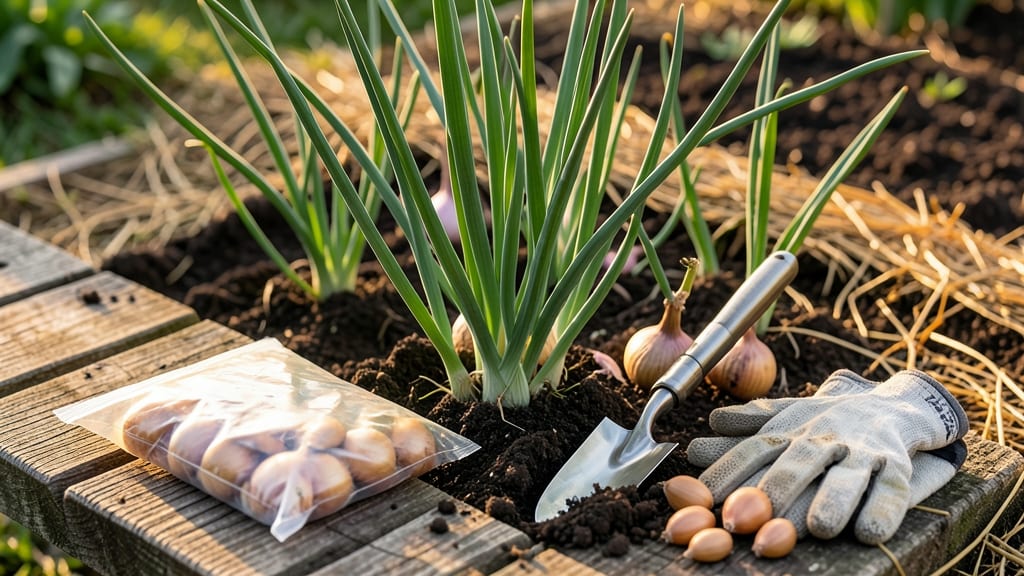
Planting onions in California requires knowing exactly when to start for the best harvests, since coastal and inland zones behave like two different gardens.
Miss the window, and you’ll end up with bolting onions or stunted bulbs—something I’ve seen far too often in my own garden. The key is planting 4-6 weeks before your last frost, but that date shifts wildly from Zone 7b inland to Zone 10a on the coast.
Fall planting (October–November) is ideal for overwintering varieties, while spring sets (February–March) work for quick green onions. Below, I’ll break down the frost-free timeline for each zone, plus the best onion types for your microclimate.
You’ll leave here with a customized planting schedule that matches your location, soil prep tips, and even how to stretch your harvest season—no more wasted seeds or bitter surprises.
California onion planting calendar by USDA hardiness Zones (7-10)
California’s onion planting success hinges on understanding your USDA zone and local frost patterns. Coastal areas like Zone 9-10 enjoy mild winters, while inland Zone 7 faces frost risks. Timing your onion sets or transplants correctly ensures robust growth and harvest-ready bulbs by late spring.
For bulb onions, aim to plant 4-6 weeks before last frost in Zone 7 (typically October-November) or December-January in milder Zones 8-10. Green onions are more flexible, tolerating cooler temps and even winter planting in frost-free zones. Let’s break down the ideal planting windows by zone.
| Zone | First Frost | Last Frost | Ideal Planting Months | Soil Temp (°F) | Notes |
|---|---|---|---|---|---|
| 7a (Inland Valleys) | November 15 | March 1 | October 15 - November 15 | 50-60°F | Use frost cloth; plant short-day varieties. |
| 7b (Desert Areas) | November 1 | February 28 | October 1 - November 15 | 55-65°F | Water deeply; mulch to retain moisture. |
| 8a (Central Coast) | December 15 | January 31 | November 1 - December 15 | 60-70°F | Frost rare; plant long-day varieties. |
| 9b (San Francisco) | None (Frost-free) | None | October - February | 65-75°F | Plant year-round; harvest green onions quickly. |
| 10a (Coastal Southern CA) | None (Frost-free) | None | September - March | 70-80°F | Succession plant for continuous harvests. |
In Zone 7a, where frost arrives early, focus on fall planting (October-November) for a spring harvest. The soil should be 50-60°F to encourage root establishment before winter. Use row covers or mulch to protect young plants from light frosts (28-32°F).
For Zones 8-10, where frost is rare or nonexistent, you can plant onions year-round, but aim for cool-season windows (October-February) to avoid bolting in summer heat. Coastal Zone 9b gardeners can even harvest green onions within 4-6 weeks of planting, making them ideal for quick crops.
Soil temperature is critical—onion seeds and sets need 40-50°F to germinate, while transplants thrive in 55-65°F soil. Test your soil’s temperature with a soil thermometer before planting. In Zone 7b, where nights can dip below freezing, plant onion sets (pre-grown bulbs) instead of seeds for faster growth.
If you miss the fall window, don’t worry—Zone 10a gardeners can plant onions in late winter (February-March) for a summer harvest. However, avoid planting in peak summer (June-August) when temps exceed 85°F, as this triggers bolting (flowering) and reduces bulb quality.
For green onions, which mature faster, you can plant every 2-3 weeks in Zones 9-10 for a continuous supply. These shallow-rooted varieties tolerate cooler temps and can even grow in partial shade, making them perfect for container gardening on patios or balconies.
Pro tip: Mulch heavily in Zone 7 after planting to insulate roots from temperature swings. Use <
Zone-specific onion varieties that thrive in California’s climate
California’s microclimates create perfect conditions for growing onions, but choosing the right variety depends on your USDA zone. Coastal areas like San Francisco (Zone 9b-10a) thrive with short-day onions, while inland regions like Sacramento (Zone 9a) do best with long-day varieties.
The key is matching your daylight hours to the onion’s natural growing cycle.
For coastal gardens, where days are longer year-round, long-day onions like Yellow Sweet Spanish or Crystal Wax produce sweeter bulbs. Inland areas with shorter winter days favor short-day varieties such as Red Creole or Texas Early White, which bolt less and mature faster.
Let’s break down the best onion varieties for each California region.
When planting onion sets or transplants, depth matters. Coastal varieties like Yellow Sweet Spanish need 1-inch-deep planting to prevent bolting, while short-day onions like Red Creole thrive with just ½-inch coverage.
Always space them according to their mature size—long-day onions need 4-6 inches apart, while short-day types