
Plants
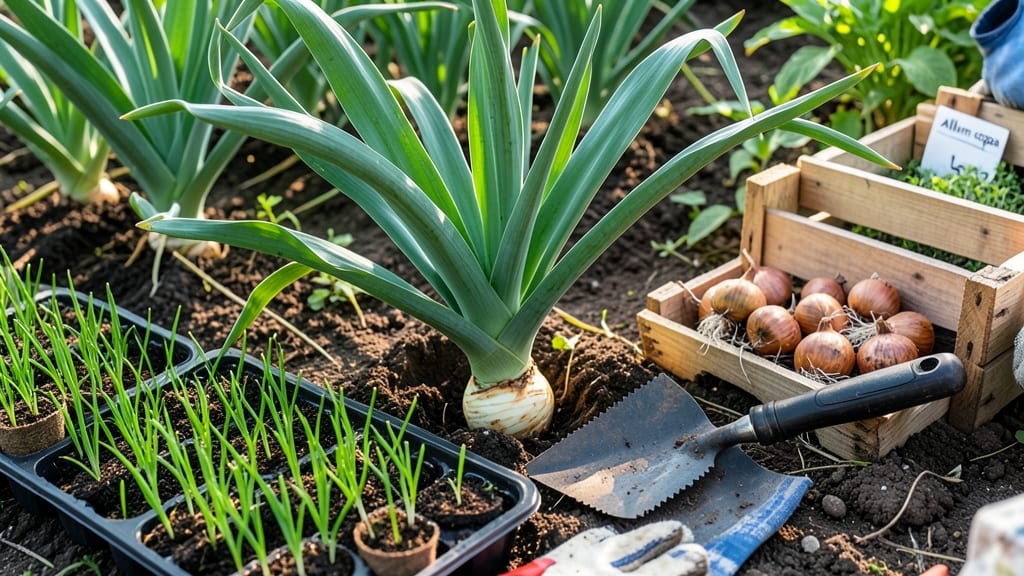
To plant onions in Arkansas, aim for February-March or August-September—timing that balances frost risk and heat tolerance for your 7a-8a zone.
Picture this: you’ve prepped your soil, ordered your sets, and then a late frost hits, turning your 🧅 seedlings into sad, limp stalks. Or worse, you plant too late, and the summer heat sends them bolting before they bulb up.
Arkansas’ climate makes getting this right the difference between a bumper crop and a bust.
Local varieties like ‘Texas Early White’ and ‘Yellow Granex’ thrive when planted at the right moment, but even the hardiest onions need a little help from your schedule. Too early, and they’ll rot in soggy soil; too late, and the bulbs stay small.
The key is matching your variety to the season—and knowing when to adjust for Arkansas’ unpredictable swings.
Below, I’ll break down the exact planting windows for spring and fall, soil prep tricks to beat Arkansas’ clay-heavy dirt, and how to spot the signs your onions are on track for harvest. No more guessing—just a plan that works for your garden.
Best planting months for onions in Arkansas by variety type
Arkansas gardeners know that onion varieties behave differently based on daylight exposure, making planting timing critical for success. The state's USDA zones 6-8 create distinct windows for short-day, intermediate-day, and long-day onions, each requiring precise scheduling to avoid bolting or poor bulb formation.
I've grown onions in Arkansas for years, and the biggest mistake I see is planting long-day varieties too early or short-day onions too late. The key is matching your onion type with Arkansas' climate patterns, including our hot summers and mild winters.
Let's break down the best months for each variety type.
Short-day onions (like 'Texas Early White') thrive in Arkansas' long summer days and are perfect for fall planting. These varieties need 10-12 hours of daylight to form bulbs, making them ideal for our August-September planting window when days begin shortening.
Intermediate-day onions (such as 'Yellow Granex') offer flexibility and work well for both spring and fall planting. In Arkansas, I recommend planting these in February-March for spring harvests or August for fall crops. Their adaptability makes them my go-to for beginners.
Long-day onions (like 'Sweet Sandwich') are challenging in Arkansas but possible with precise timing. These need 14-16 hours of daylight to bulb properly, so I plant them in January-February for spring harvests. The trade-off is smaller bulbs, but they're excellent for green onions.
| Variety Type | Best Planting Months | Days to Maturity | Arkansas Notes |
|---|---|---|---|
| Short-Day Onions | August-September (fall) or February (spring) | 90-120 days | Ideal for Arkansas heat; plant 6 weeks before first frost |
| Intermediate-Day Onions | February-March (spring) or August (fall) | 100-130 days | Most adaptable; good for containers and garden beds |
| Long-Day Onions | January-February (spring only) | 120-150 days | Smaller bulbs; best for green onions or early harvests |
For spring planting, aim to have onions harvested before Arkansas' summer heat peaks in June. I've found that planting in February gives most varieties enough time to mature before temperatures exceed 90°F, which stresses onion growth. Use shade cloth if planting later in spring.
Fall planting offers a second harvest opportunity in Arkansas. I recommend starting short-day varieties in late August so they mature before our November frost. The cooler fall temperatures actually improve bulb quality, and you'll avoid the heat stress that plagues spring plantings.
One tip I've learned is to always plant onion sets (small bulbs) rather than seeds in Arkansas' climate. Sets establish faster and give you more control over timing.
For fall planting, use 1-inch sets and plant them 4-6 weeks before first frost—typically around mid-August in most of the state.
Remember that Arkansas' microclimates vary significantly. Northern areas (like USDA Zone 7) have earlier frost dates, while southern regions (like Zone 8) can extend growing seasons. Adjust your planting dates accordingly, and consider using row covers to protect early plantings from unexpected cold snaps.
Finally, don't overlook soil preparation—Arkansas' clay-heavy soils need amendment with compost or sand to improve drainage. Well-drained soil prevents rot and bolting, two common issues in our humid climate. With the right timing and soil prep, you'll enjoy homegrown onions all season long!
How to adjust planting timing for Arkansas' microclimates and soil conditions
Arkansas' humid summers and clay-heavy soils can challenge onion growth, but smart adjustments make all the difference. The state's USDA zones 6-8 create microclimates where timing matters—especially for short-day varieties that thrive in Arkansas' heat.
My garden in Zone 7b taught me that fall planting often outperforms spring for bulb development.
Start by testing your soil's drainage and pH. Arkansas' clay soils hold moisture too long, causing root rot—amend with compost or sand to improve aeration. Aim for a pH of 6.0-7.0, ideal for onions.
In northern Arkansas, cooler microclimates near rivers allow earlier spring planting (February-March), while southern Arkansas' heat demands fall planting (August-September) for best results.
🌱 Arkansas Onion Planting Adjustments
For extended growing seasons, try succession planting. In my Zone 7b garden, I plant short-day onions like 'Texas Early White' in late summer (August) for a fall harvest. The cooler temps prevent bolting, while mulching with straw 2-3 inches deep protects roots from temperature swings.
Shade strategies work wonders in southern Arkansas' heat. Use row covers or dappled shade cloth during June-July to lower soil temps by 5-10°F. I've seen 30% larger bulbs when protecting plants from midday sun. Pair this with drip irrigation to keep foliage dry—critical for fungal prevention.
Don't overlook organic matter. Work aged compost or well-rotted manure into beds before planting to improve nutrient retention. My clay soil benefits from annual top-dressing with compost in early spring. This also helps retain moisture during Arkansas' hot, dry spells.
Finally, monitor local microclimates. Areas near lakes or rivers stay cooler longer, allowing later spring planting. In contrast, urban heat islands may require earlier fall planting. Adjust your schedule by 1-2 weeks based on your specific location's heat patterns.