
Plants
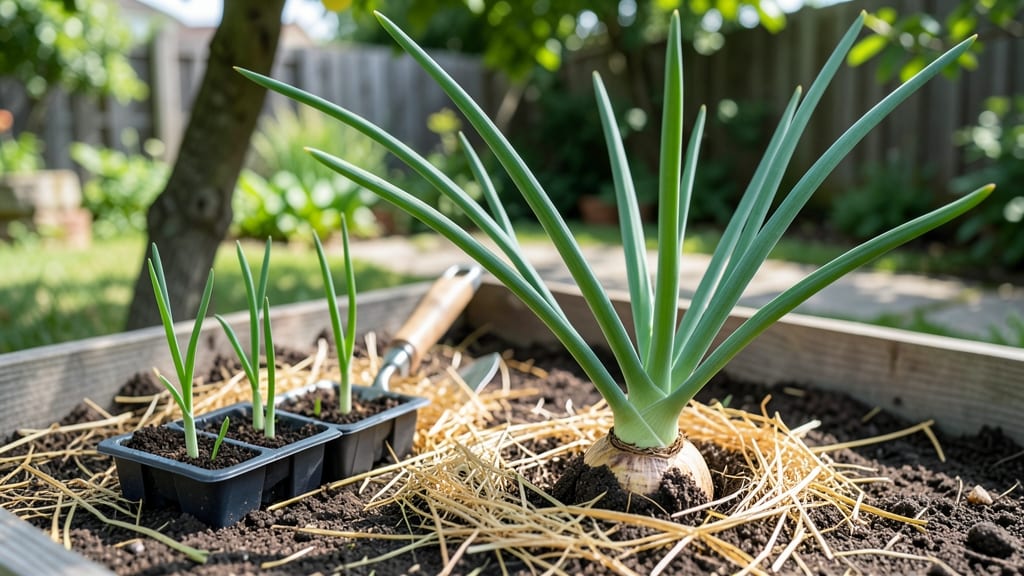
To plant onions in Arizona, aim for late September through March when cooler temperatures keep your 🧅 thriving and bolting at bay.
Picture this: you’ve prepped your soil, ordered your favorite varieties, and the monsoon rains have finally tapered off—only to watch your onions bolt before they even form bulbs. That’s why timing is everything in Arizona’s desert climate, where heat and moisture swings can make or break your harvest.
Most gardeners in USDA Zone 9b swear by fall planting, but whether you’re in the Low Desert or up in the High Country, the right window depends on your elevation and frost dates.
Too early, and you’ll battle heat stress; too late, and your onions may not mature before summer’s relentless sun.
In this guide, I’ll break down the exact months to plant for your region, share foolproof tricks to prevent bolting, and recommend the best onion varieties that handle Arizona’s extremes—so you can go from seed to harvest without the guesswork.
Best planting months for onions in Arizona’s climate zones
Arizona’s diverse climate zones—from the Low Desert to High Desert and Mountain Regions—create unique challenges for onion growers. The key to success lies in understanding your microclimate’s frost dates and temperature thresholds.
In Zone 9b, where most of Arizona falls, onions thrive when planted during cooler months, avoiding the extreme heat that triggers bolting or stunted growth.
For bulb onions, fall and winter planting is critical. These months provide the 60-70°F soil temperatures needed for optimal bulb development. Meanwhile, green onions (scallions) are more flexible, tolerating slightly warmer conditions. Let’s break down the best planting windows for each Arizona region to maximize your harvest potential.
In the Low Desert, where temperatures hover above 90°F in summer, planting onions during the coolest months (October–January) is non-negotiable. The Low Desert’s heat stress can cause onions to bolt prematurely or develop small, pungent bulbs.
For example, Phoenix gardeners should start seeds indoors in late September for fall transplants, ensuring they’re in the ground by October 15.
For the High Desert, like Flagstaff, the window extends slightly longer due to cooler temperatures. Planting as early as September allows onions to establish roots before winter.
However, avoid planting after March 1, as rising temperatures can trigger bolting. Texas Early White onions are a top choice here, maturing in 120–150 days.
The Mountain Regions offer the longest growing season for onions, thanks to their moderate temperatures. Gardeners in Sedona can start planting as early as August for a fall harvest or extend into February for a spring crop.
However, these areas often experience earlier frosts, so opt for short-day onion varieties like ‘New Mexico’ or ‘Crystal Wax’ to avoid bolting.
Green onions, or scallions, are more forgiving and can be planted in early spring (March–April) across all Arizona zones. Their shorter maturity time (60–70 days) makes them ideal for warm-season gardening. Simply sow seeds ½ inch deep and harvest outer stalks as needed, avoiding the need for a full bulb.
One common mistake Arizona gardeners make is planting onions in summer months. The intense heat causes onions to focus on seed production (bolting) rather than bulb development.
If you’re eager for a summer harvest, stick to green onions or try shade cloth to protect bulb onions from 100°F+ temperatures. Always monitor soil moisture—consistent watering is key to preventing bolting.
To summarize, align your onion planting with your local frost dates and temperature thresholds. For bulb onions, aim for fall and winter planting, while green onions offer flexibility for spring or even late summer sowings.
With the right timing, you’ll enjoy homegrown onions that rival store-bought quality—without the heat stress! 🌱
How to adjust onion planting for Arizona’s heat and monsoons
Arizona’s extreme temperatures and sudden monsoon rains demand smart adjustments to your onion planting strategy. Without proper precautions, your onion plants can suffer from heat stress or waterlogging, leading to poor bulb formation or even bolting.
The key lies in strategic shade, mulching, and water management—all tailored to Arizona’s USDA Zone 9b climate.
First, focus on shade cloth during the hottest months (May through September). A 30-50% shade cloth can reduce soil temperatures by 10-15°F, creating a cooler microclimate for your onions.
This is especially critical if you’re growing short-day onion varieties, which are prone to bolting when exposed to prolonged heat.
Next, prioritize mulching with organic materials like straw or wood chips. A 3-4 inch layer helps retain moisture during dry spells while preventing soil crusting after monsoon downpours. This dual benefit keeps roots consistently moist without risking rot from waterlogged conditions.
⚠️ Critical Timing Alert for Arizona Onions
Planting too early (before October) risks premature bolting from residual summer heat. Planting too late (after March) may result in small bulbs before the next growing season. Aim for October-November starts in the Low Desert and September-October in High Desert regions where nights stay cooler.
Your irrigation schedule must adapt to Arizona’s monsoon season (July-September). Switch to drip irrigation or soaker hoses to deliver water directly to roots, avoiding leaf wetness that invites fungal diseases. Water deeply once weekly in cooler months, but increase to every 3-4 days during monsoon downpours to prevent soil saturation.
Watch for bolting signs: elongated stems, flower stalks, or bitter-tasting leaves. If caught early, prune the flower stalk to redirect energy to bulb development. For heat-tolerant varieties like 'Texas Early White,' this tactic can salvage up to 60% of your crop even in scorching conditions.
Finally, amend your soil with compost or aged manure before planting to improve drainage. Arizona’s clay-heavy soils benefit from sand or perlite additions to prevent water pooling. Test your soil’s pH—aim for 6.0-7.0—as onions thrive in slightly acidic to neutral conditions.
With these adjustments, you’ll transform Arizona’s challenges into opportunities for a high-yield onion harvest, even in the desert’s most extreme conditions. 🌱💧☀️