
Plants
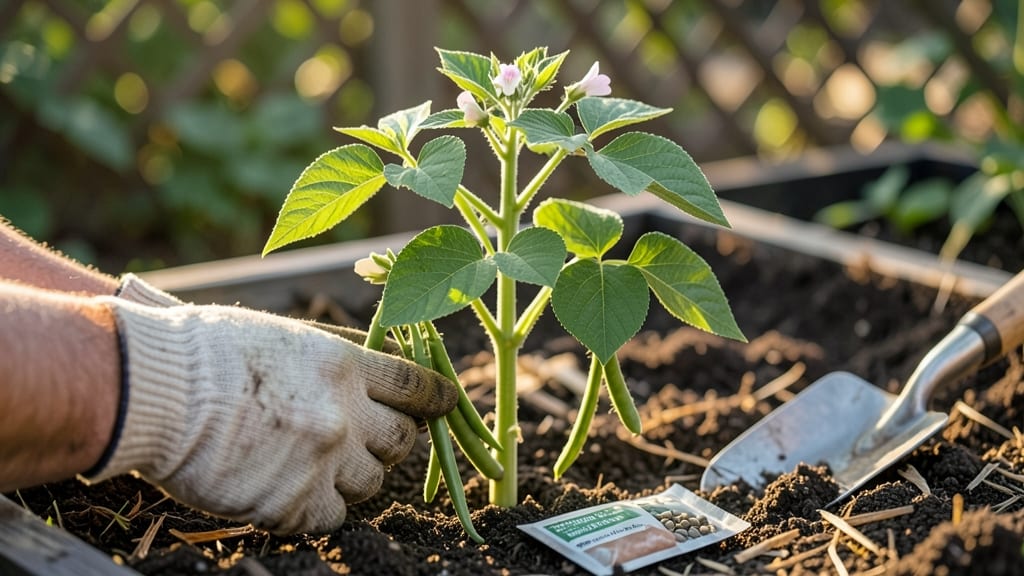
To plant green beans in Florida, aim for February–March and August–September—the two windows where soil warmth and rainfall align for the best yields.
Florida gardeners know timing is everything—plant green beans too early, and frost can ruin your crop; too late, and summer heat stunts growth.
But with Florida’s unique microclimates, the perfect window varies by county—and we’ve broken it down for maximum yields, from North Florida’s cooler springs to South Florida’s extended growing season.
Here’s how to choose the right time for your region, plus 3 critical tips to avoid common mistakes that waste your effort.
Florida’s green bean planting zones: frost-free dates by county for peak harvests
Florida’s frost-free windows create two ideal planting seasons for green beans: early spring and late summer. Unlike northern states, Florida rarely drops below 32°F, but soil temperature (not air temp) determines success—wait until it hits 60°F for germination.
Northern counties like Jacksonville and Gainesville have tighter windows, while Miami and Fort Myers can plant year-round with caution.
Green beans thrive in USDA Zones 8–10, but microclimates matter. Urban areas like Orlando may hit 90°F+ soil temps by June, stunting growth, while coastal Tampa benefits from breezes that moderate heat.
Below, we’ve mapped county-specific frost-free dates and soil temp trends to help you time plantings for maximum yields—whether you’re growing bush beans or pole varieties.
Pro Tip: Use row covers in North Florida (Zones 8a–8b) to extend the spring season by 2–3 weeks. In South Florida (Zones 10a–11), focus on shade cloth during peak summer to protect tender seedlings from intense afternoon sun.
*Soil temp >85°F stunts growth; adjust watering to keep roots cool.
In North Florida, where last frost dates hover around January 15, aim to plant bush beans by February 15 for a May–June harvest. Pole beans, which take longer to mature, should go in by March 1.
Use black plastic mulch to warm soil faster in sandy soils common to Panhandle counties like Okaloosa or Santa Rosa.
Central Florida’s longer frost-free season (avg. 270+ days) lets you try two plantings: once in January–February and again in July–August.
However, Orlando’s urban heat can push soil temps to 90°F+ by June, so opt for heat-tolerant varieties like ‘Contender’ or ‘Blue Lake’ and provide afternoon shade during peak heat.
For South Florida, where frost is rare and humidity high, focus on fall plantings (September–October) to avoid powdery mildew, a fungal risk in 90°F+ soil. Miami-Dade and Pal
Best green bean varieties for Florida’s climate and how to time successive plantings
Florida’s long growing season and humid climate make green beans a rewarding crop—but only if you choose the right heat-tolerant varieties and plant at the perfect time. The ‘Contender’ and ‘Blue Lake’ varieties thrive in Florida’s warmth, while ‘Rattlesnake’ beans resist common diseases like bacterial blight.
Timing is critical: plant too early, and cool soil stalls germination; too late, and summer heat causes flowers to drop.
For maximum yields, Florida gardeners should focus on two planting seasons: early spring (February–March) and late summer (August–September). This successive planting strategy ensures a steady harvest while avoiding the peak heat stress of June–July.
In North Florida, where nights can dip below 60°F, use row covers to protect young plants. In South Florida, prioritize shade cloth during the hottest afternoons to prevent wilting.
When to Plant Green Beans in Florida: Pros & Cons
- ✅ Cooler temps reduce stress
- ✅ Longer harvest window before summer
- ✅ Fewer pests early in season
⚠️ Risk of late frost in North FL; use row covers.
- ✅ Avoids peak heat of June–July
- ✅ Harvest before frost in North FL
- ✅ Better disease resistance in cooler fall
⚠️ Hurricane season risk; secure trellises.
Start with ‘Contender’ beans, a bush variety that matures in just 50 days—ideal for Florida’s short spring window.
For pole varieties, try ‘Blue Lake’, which produces long, straight pods perfect for fresh eating or canning. ‘Rattlesnake’ beans, a heirloom variety, tolerate high humidity and resist common fungal diseases, making them a Florida favorite.
Plant seeds 1 inch deep and 3–4 inches apart for bush types, or use trellises for pole beans to save space.
To extend your harvest, stagger plantings every 2–3 weeks during the spring season and every 3 weeks in fall. For example, plant the first batch in late February, then follow up with mid-March and early April for a continuous 60-day harvest.
In South Florida, where frost is rare, you can even squeeze in a small fall planting in July for an October harvest before temperatures drop.
Monitor soil temperature with a soil thermometer—green beans germinate best in soil that’s 60–85°F. If temperatures dip below 55°F, germination slows dramatically. Mulch heavily with straw or grass clippings to retain moisture and regulate soil temperature.
In sandy Florida soils, mix in compost to improve water retention and nutrient availability. Avoid over-fertilizing with nitrogen, which promotes leafy growth at the expense of pod production.
Harvest begins 45–60 days after planting, depending on the variety. Pick pods frequently to encourage more production—overripe beans toughen and develop large seeds, reducing quality. Aim to harvest every 2–3 days during peak production.
Store fresh-picked beans in the fridge for up to 5 days or blanch and freeze for long-term storage. With the right varieties and planting timing, you’ll enjoy a bountiful harvest from spring through fall.