
Plants
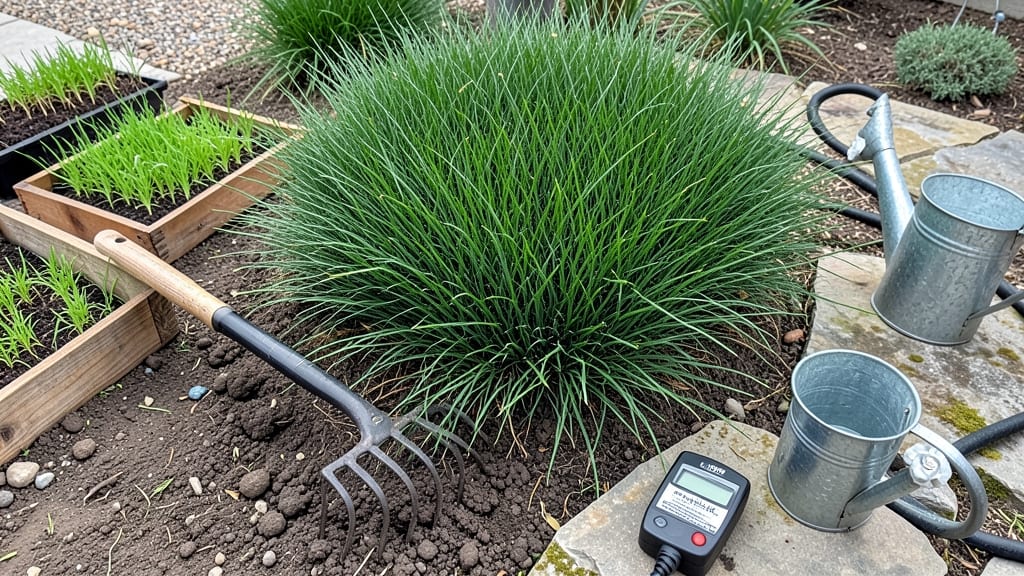
Planting grass in Las Vegas requires timing it right for survival in the desert heat—cool-season varieties thrive in late August through early October, while warm-season grasses need late April to early June.
Las Vegas’ extreme heat and dry climate make timing critical for successful grass planting—get it wrong, and your lawn could struggle to take root.
Cool-season grasses like Kentucky bluegrass and fescue love the mild fall temperatures of USDA Zone 9a, while Bermuda and zoysia grass prefer the spring warmth before summer’s intensity kicks in.
Below, I’ll break down the best months for each type, soil prep tips for alkaline desert earth, and watering strategies to keep your new turfgrass thriving in 110°F+ conditions.
Best months to plant grass in Las Vegas climate zones
Las Vegas’ USDA Zone 9a climate presents unique challenges for grass planting, with scorching summers and mild winters. Unlike cooler regions, timing is everything—plant too early or late, and your grass may struggle with heat stress or dormancy issues.
The key is understanding whether you’re planting cool-season or warm-season grasses, as their ideal windows differ drastically.
Cool-season grasses like tall fescue and ryegrass thrive in Las Vegas’ fall and early spring, while warm-season varieties such as Bermuda and Zoysia prefer late spring to early summer.
Microclimates near the Strip or mountain foothills can also shift optimal timing by 2-4 weeks, so local conditions matter.
For cool-season grasses, the 4-6 week window between late August and early October is critical. This period allows seeds to germinate in ideal soil temperatures of 55–75°F while avoiding the extreme summer heat that can bake seeds before they sprout.
If you miss this window, consider overseeding in November, though results may be slower due to cooler temps.
Warm-season grasses, on the other hand, demand late spring planting—specifically April to early June. By this time, soil temperatures have risen to 65–85°F, perfect for Bermuda or Zoysia germination.
Planting in June or later risks heat stress, where seeds may dry out before roots establish. Pro tip: Use shade cloth for the first 2 weeks to protect young seedlings.
Las Vegas’ microclimates can shift these windows by 2–4 weeks. Areas near the Red Rock Canyon or Spring Mountains stay cooler longer, allowing cool-season planting into November. Conversely, the valley floor heats up faster, so warm-season grasses should be planted by mid-May to avoid June’s 110°F+ temperatures.
Always check your yard’s specific conditions before committing to a planting date.
One common mistake is planting cool-season grass in spring or warm-season grass in fall. Spring heat will stress cool-season varieties, while fall’s dropping temps can stunt warm-season growth. Instead, align your planting with the natural dormancy cycles of each grass type.
For example, ryegrass planted in September will green up quickly in October, while Bermuda seeded in May will thrive through summer.
Watering strategy is just as critical as timing. After planting, maintain consistent soil moisture for 4–6 weeks—this means 1–1.5 inches of water per week, applied early in the morning to reduce evaporation.
Use drip irrigation or soaker hoses to deliver water directly to roots, minimizing waste in the arid desert climate. Avoid overhead sprinklers, which can wash away seeds or promote fungal growth.
Finally, consider soil preparation as part of your timing strategy. Las Vegas’ alkaline soil (pH 7.5–8.5) can hinder germination, so test and amend your soil 4–6 weeks before planting. Add compost or sulfur to adjust pH, and till in organic matter to improve moisture retention.
Proper prep ensures your grass has the best chance to establish strong roots during its critical first 30 days.
By following these climate-specific windows and microclimate adjustments, you’ll give your Las Vegas lawn the best shot at lush, drought-resistant growth. Whether you’re seeding a new yard or overseeding an existing one, timing is your secret weapon against the desert’s challenges. 🌱
Critical factors for grass survival in Las Vegas heat
Las Vegas’ 110°F+ summer temperatures and low humidity create brutal conditions for new grass. Even drought-tolerant varieties like Bermuda grass or Buffalo grass need precise care during establishment.
The key to survival lies in soil moisture consistency, temperature management, and smart irrigation timing—all while accounting for the city’s alkaline desert soil.
Grass seeds require steady moisture to germinate, but Las Vegas’ evaporative climate makes maintaining damp soil challenging. A single missed watering cycle can cause seeds to dry out before roots establish.
Meanwhile, soil temperatures above 90°F can halt germination entirely, even with proper watering. These factors force gardeners to plant at specific times and use targeted strategies to protect young grass.
⚠️ callout-warning ⚠️
Planting grass when daily highs exceed 95°F (typically June-August) guarantees failure. Even shade provides no real relief—soil heats up just as fast. Cool-season grasses like Tall Fescue can’t survive summer stress, while warm-season grasses like Zoysia struggle to establish roots in extreme heat. Best window: Late August–early October (fall) or April–early June (spring).
Pro Tip: Use a soil thermometer—keep surface temps below 85°F for germination.
Soil moisture is the #1 factor for survival. New grass needs 1–1.5 inches of water weekly during establishment, but shallow watering leads to weak roots. Use drip irrigation or soaker hoses to deliver water slowly and deeply, mimicking natural rainfall. Morning watering (4–8 AM) minimizes evaporation and fungal risks. Avoid evening watering—wet grass overnight invites disease in Las Vegas’ warm nights.
Shade considerations are often overlooked but critical. While most grasses thrive in full sun, new seedlings benefit from 30–50% shade during the hottest afternoon hours (12–4 PM). Temporary shade cloths or partial shade from trees can reduce soil temps by 10–15°F, improving germination rates. Avoid dense shade—grasses need at least 4–6 hours of direct sun daily to grow properly.
Temperature thresholds dictate success. Cool-season grasses (like Kentucky Bluegrass) germinate best when soil temps stay below 75°F, while warm-season grasses (like Bermuda) prefer 75–85°F. Use mulch (straw or wood chips) to insulate soil and retain moisture. For extreme heat waves, consider hydroseeding—it creates a protective gel layer that locks in moisture and cools soil faster than traditional seeding.
Irrigation strategies must adapt to Las Vegas’ water restrictions. Many neighborhoods enforce evening watering bans, so schedule systems for early morning. Smart controllers with rain sensors prevent overwatering during monsoon season. Deep watering (1–2 times per week) encourages deep root growth, making grass 3x more drought-resistant once established. Never water lightly—this trains grass to grow shallow roots, dooming it in summer heat.