
Vegetables
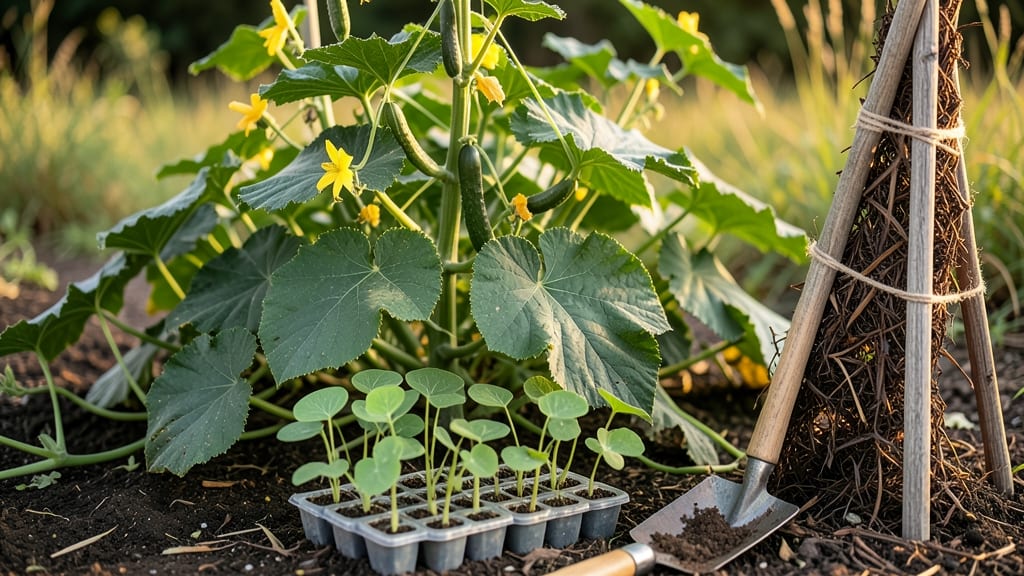
Planting cucumbers in Utah requires timing them just right—soil temperatures between 55°F and 65°F and after the last frost date are the key to a thriving harvest.
Utah’s unique climate—hot summers, cold winters, and unpredictable spring swings—can make cucumber gardening a gamble if you plant at the wrong time. But timing your 🥒 perfectly ensures a bountiful harvest before the heat peaks or frost strikes again.
Whether you’re in the cooler high desert or the warmer valleys, knowing when to start seeds indoors or sow directly is the difference between a few sad vines and a garden full of crisp, homegrown cucumbers.
Below, I’ll walk you through the exact planting windows for Utah’s USDA zones 5–9, soil temperature tricks, and how to stretch your growing season for the best results.
Utah’s ideal cucumber planting zones and soil temperature guide
Utah’s diverse climate—from the high deserts of northern Utah to the southern valleys—creates distinct growing conditions for cucumbers. Understanding your USDA hardiness zone and soil temperature is critical to avoid frost damage or stunted growth.
Most Utah gardeners fall between USDA zones 5-9, but even within these zones, microclimates can shift planting windows by weeks.
Cucumbers thrive when soil temperatures reach 55-65°F, which is essential for seed germination and root development. Cold soil slows growth, while temperatures above 85°F can stress plants, leading to poor yields.
Testing your soil’s readiness with a simple soil thermometer ensures you plant at the optimal time for your specific location.
Here’s how Utah’s zones break down for cucumber planting, including soil temperature triggers and regional considerations:
| USDA Zone | Regions in Utah | Optimal Soil Temp (°F) | Last Frost Date | Planting Window |
|---|---|---|---|---|
| 5-6 | Northern Utah (Ogden, Logan) | 55-60°F | Mid-May to early June | Late May to June 15 |
| 7 | Central Utah (Salt Lake City, Provo) | 58-63°F | Early to mid-May | Early May to June 1 |
| 8-9 | Southern Utah (St. George, Cedar City) | 60-65°F | Late March to early April | March 15 to April 15 |
For gardeners in zone 5-6, like those in Ogden or Logan, wait until the soil warms to at least 55°F—often mid-to-late May—before planting. These areas experience later last frost dates, so rushing can lead to frost damage or slow germination.
Use row covers if planting early to protect tender seedlings.
In zone 7 (Salt Lake City and Provo), soil temperatures hit the sweet spot of 58-63°F by early May, making this the ideal time to start cucumbers.
If you’re using transplants, wait until after the last frost (typically mid-May) to avoid shock. Direct sowing can begin a week earlier if soil is workable.
Southern Utah’s zones 8-9 offer the earliest planting windows, with soil reaching 60-65°F as early as late March. St. George’s warm climate allows for year-round production with proper care, but even here, avoid planting before soil warms to prevent root rot from lingering coolness.
To test your soil’s readiness, insert a soil thermometer 2-3 inches deep in the morning. If the reading is below 55°F, wait 3-5 days and retest. For faster warming, use black plastic mulch or plant in raised beds, which absorb and retain heat better than open ground.
Cucumbers are sensitive to temperature fluctuations, so monitor forecasts for sudden cold snaps. If nighttime temps drop below 50°F, use frost blankets or move containers indoors temporarily. In high-altitude areas (e.g., Park City), extend your season by planting heat-tolerant varieties like ‘Straight Eight’ or ‘Lemon Cucumber.’
Pro tip: In Utah’s dry climate, mulch with straw or wood chips to retain moisture and regulate soil temperature. This is especially critical in zone 7 and below, where afternoon heat can cause soil to dry out quickly. Keep mulch 2-3 inches away from plant stems to prevent rot.
By aligning your planting with Utah’s soil temperature triggers and regional frost dates, you’ll maximize your cucumber yield and avoid common pitfalls like poor germination or heat stress. Happy growing! 🌱
Best planting windows in Utah: avoiding frost and heat stress
Utah’s diverse microclimates mean your cucumber planting window can vary by hundreds of miles. Northern Utah’s Ogden area faces late frosts, while St. George’s desert heat arrives early. Getting the timing right avoids wilted seedlings or heat-stressed vines—both common mistakes I’ve seen in Utah gardens.
Your first step is checking average last frost dates. In Ogden (Zone 6), aim for May 15, while Salt Lake City (Zone 7) usually waits until April 20.
St. George (Zone 8) can start as early as March 1, but soil temperature matters more than calendar dates. Use a soil thermometer—cucumbers need 55-65°F soil to thrive.
Planting Window: May 15–June 15
Soil Temp: 55–65°F
Key Tip: Use row covers for early starts
Planting Window: April 20–May 30
Soil Temp: 60–65°F
Key Tip: Succession plant every 2 weeks for continuous harvest
Planting Window: March 1–April 15
Soil Temp: 65–75°F
Key Tip: Shade cloth needed after June 1 to prevent bolting
Heat stress is your next challenge. Cucumbers bolt (flower prematurely) when daytime temps hit 90°F consistently. In St. George, this happens by June 15, while Salt Lake City sees it by July 15.
My trick? Plant heat-tolerant varieties like ‘Straight Eight’ or ‘Marketmore’—they handle Utah’s summers better than standard types.
For northern Utah, extend your season with black plastic mulch. It warms soil faster in spring and keeps roots cool in summer. I’ve seen 30% larger yields using this method in Ogden.
Meanwhile, St. George gardeners should focus on drip irrigation—overhead watering leads to fungal issues in the desert’s dry heat.
Always monitor your plants’ leaves for stress signs. Yellowing edges mean too much heat; wilting means insufficient water. Adjust your schedule based on real-time conditions—Utah’s weather is unpredictable, but with these windows, you’ll maximize your 75-day harvest window before fall frosts return.