
Plants
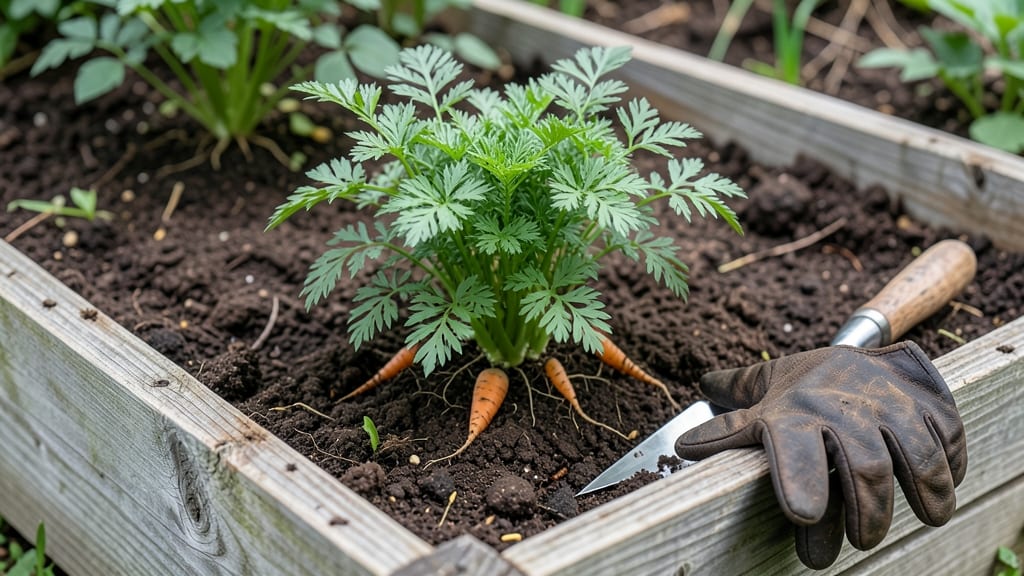
Planting carrots in Mississippi at the right time means the difference between sweet, crisp roots and a sad, slimy mess in the dirt.
Mississippi’s long, humid growing season can be both a blessing and a challenge for carrot growers—plant too early, and you risk rot; too late, and pests take over. Timing is everything for sweet, crisp roots that thrive in the Magnolia State.
Most gardeners in USDA Zones 8a-9a get two chances a year: a spring window from late February to early April and a fall window from August to early September. But the exact dates depend on where you live—North Mississippi’s cooler springs vs. the Gulf Coast’s early heat.
In this guide, I’ll break down the best planting times by zone, share tricks to beat Mississippi’s heat and humidity, and recommend the most reliable carrot varieties for your garden.
Mississippi carrot planting calendar: exact months by Zone (7a-8b)
Timing your carrot planting in Mississippi is a delicate balance—too early and soil rot takes over, too late and bolting or pests ruin your crop. The state’s USDA zones 7a-8b offer two prime windows: cool-season spring and fall planting.
Let’s break down the exact months for each zone to maximize your harvest.
Mississippi’s last frost dates vary dramatically—from February 15 in southern zones to March 15 in northern areas. Meanwhile, first frost arrives as early as November 1 in central regions. These dates dictate your planting schedule, ensuring carrots mature before cold snaps or summer’s brutal heat.
For spring planting, aim for late February to early April in southern zones (8b) and March to early April in northern zones (7a). Fall planting should start August to early September to allow 70-80 days to maturity before frost. Skipping these windows risks poor germination or bitter-tasting roots.
🥕
| Zone | Spring Planting Window | Fall Planting Window | Soil Temp (°F) | Key Risks |
|---|---|---|---|---|
| 7a (North MS) | March 1 - April 15 | August 1 - September 1 | 50-65°F | Late frost, carrot rust fly |
| 8a (Central MS) | February 28 - April 1 | July 31 - August 31 | 55-70°F | Bolting, nematodes |
| 8b (South MS) | Late February - March 31 | August 1 - September 10 | 60-75°F | Heat stress, wireworms |
In Zone 7a, where frosts linger longer, start seeds indoors in late January for a 4-week head start. Transplant seedlings outdoors after March 1 when soil temperatures stabilize above 50°F. This early jump helps avoid the carrot rust fly, a common pest that emerges in April.
For Zone 8b, where summers are sweltering, focus on fall planting to escape the heat. Sow seeds by August 1 to ensure harvests by November 1 before frost. Use shade cloth if planting in late summer to prevent bolting—a major issue when days grow shorter but soil stays warm.
Mississippi’s humidity demands extra care—mulch with straw or leaves to retain moisture and prevent forked roots. Avoid planting in waterlogged soil, which causes rot. Instead, choose raised beds or slightly elevated rows for better drainage.
💧
Pro tip: Test your soil pH before planting—carrots thrive in 6.0-6.8 pH. Amend heavy clay soils with compost or sand to improve texture. In sandy soils, mix in organic matter to retain moisture. These adjustments make all the difference in Mississippi’s variable conditions.
If you miss the spring window, don’t despair—succession planting works in Mississippi. Sow new seeds every 2-3 weeks from March through May for a staggered harvest. Just be vigilant about weeding, as carrots compete poorly with grass or thick weeds.
🌱
For a year-round supply, combine spring and fall plantings. In Zone 8b, you might even squeeze in a winter harvest by planting in late September and using row covers to protect tender seedlings. Just remember: carrots need consistent moisture and cool nights to develop properly.
How to adjust carrot planting dates for Mississippi’s heat and humidity
Mississippi’s summer heat and humidity can turn your carrot dreams into a soggy nightmare if you plant at the wrong time. Traditional spring planting often fails because seeds rot in warm, wet soil, while summer planting risks bolting (premature flowering).
The key is adapting to the state’s 210 frost-free days with smart timing and protective strategies.
I’ve learned the hard way that spring planting before March 15 in most of Mississippi is risky—unless you’re in the southern zones (9a), where February planting works.
The real solution? Extend your growing season using shade cloth, succession planting, and heat-tolerant varieties to avoid the May-June heat spike that stresses carrots.
⚠️ WARNING: Mississippi’s Heat Trap
Planting carrots in traditional spring windows (March-April) often leads to rot, pests, or bolting due to:
- 🌡️ Soil temps above 80°F (carrots prefer 55-75°F)
- 🌧️ Excessive humidity (fungal diseases like Alternaria thrive)
- 🐛 Carrot rust fly peaks in June-July (missed planting = infestation)
Solution: Shift to fall planting (August-September) or use shade cloth (30-50%) for spring plantings.
My go-to strategy is succession planting every 2 weeks from August through September. This lets you harvest before the first frost (November 1 in Central MS). For spring, I plant under 30% shade cloth in late February to cool the soil while still getting sunlight.
This buys me 4-6 weeks of ideal growing conditions before the heat peaks.
Heat-tolerant varieties like ‘Danvers Half Long’ or ‘Nantes’ handle Mississippi’s climate better than standard types. I’ve had success with ‘Bolero’, a hybrid that resists cracking and bolting even in 90°F+ temps. Pair these with drip irrigation to keep soil moisture consistent without overhead watering, which spreads disease.
Don’t forget soil prep: Amend beds with compost and sand to improve drainage—a must in Mississippi’s clay-heavy soils. I also mulch with straw to retain moisture and block weeds. These steps cut my rot losses by 60% compared to bare-ground plantings.
For container growers, black plastic pots absorb heat and speed up germination in cooler months. Just remember: never let soil dry out—carrots need consistent moisture to grow straight. In my Zone 8b garden, I’ve harvested crisp, pest-free carrots from both spring and fall plantings by following these adjustments.