
Vegetables
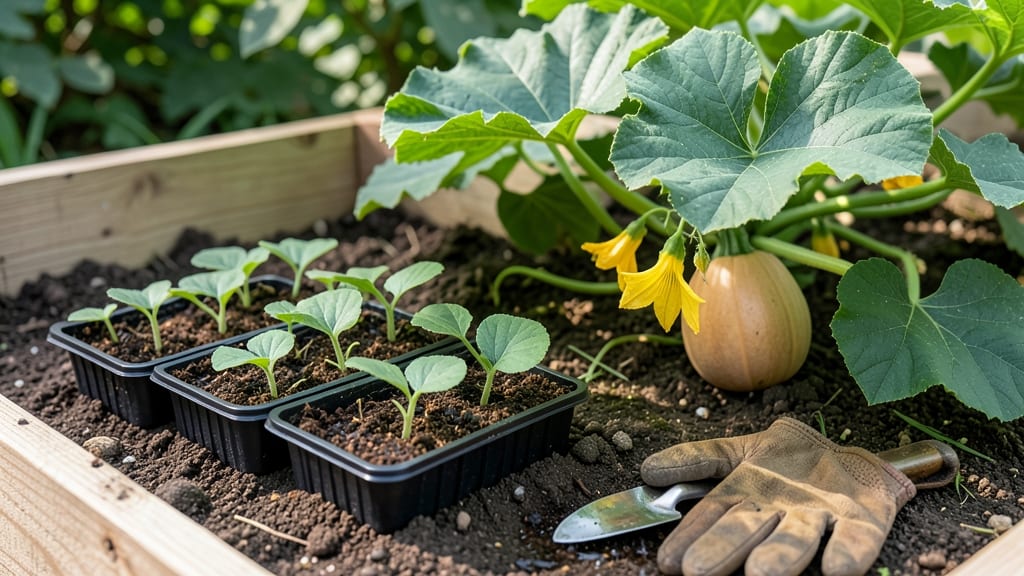
Planting butternut squash in Georgia at the right time means the difference between a bountiful harvest and a wasted season.
Georgia’s warm climate and long growing season make it an ideal place for butternut squash 🎃 — but timing is everything to avoid early frosts or scorching summer heat. Plant too soon, and your squash won’t mature; plant too late, and you risk losing your crop to cold snaps.
Most Georgia gardeners should aim for April to early May, once soil temperatures hit 60°F and all frost danger has passed. This window ensures your squash has 90-110 days to grow before the first frost in November.
Below, I’ll break down the exact frost-free planting schedule, soil prep tips, and how to protect your crop from Georgia’s unpredictable late-season weather.
Georgia’s best planting windows for butternut squash: frost dates and soil temps
Georgia’s USDA zones 7b-8b offer a perfect climate for growing butternut squash, but precise timing is critical. The state’s last spring frost typically arrives around March 15, while the first frost in fall usually hits November 15.
This gives gardeners a 210-day frost-free window—just enough time for squash to mature. However, soil temperature is just as important as frost dates, as butternut squash requires 60°F+ soil to germinate properly.
Northern Georgia (zones 7b) has slightly cooler conditions than the southern regions (zones 8b), so planting windows shift by about 1-2 weeks.
For example, gardeners in Athens or Dalton may need to wait until mid-April for safe planting, while those in Savannah or Waycross can start as early as late March.
Always check your local frost-free date using the National Weather Service or your county extension office for the most accurate timing.
Here’s a quick reference table for Georgia’s best planting windows, soil temperature requirements, and frost risks by month:
| Region | USDA Zone | Best Planting Window | Soil Temp Requirement | Frost Risk |
|---|---|---|---|---|
| Northern GA (Athens, Dalton) | 7b | Mid-April to early May | 60°F+ | Low (after April 15) |
| Central GA (Macon, Columbus) | 8a | Late March to mid-April | 60°F+ | Moderate (April frost possible) |
| Southern GA (Savannah, Waycross) | 8b | Late March to early April | 60°F+ | Low (rare frost after April) |
| Fall Planting (All Regions) | 7b-8b | Late July to early August | 60°F+ | High (Sept-Oct frost risk) |
For gardeners in cooler microclimates or high-elevation areas, consider using row covers or cold frames to extend your planting window. These tools can protect young seedlings from late spring frosts and even allow for fall planting in late July or early August.
Just be sure to remove covers once flowers appear to prevent pollination issues.
If you’re planting in late spring (May-June), choose fast-maturing varieties like ‘Waltham Butternut’ (85 days) or ‘Sweet Chestnut’ (90 days) to ensure harvest before the first frost. Avoid slow varieties like ‘Giant Turban’, which may not mature in time.
Always plant seeds 1 inch deep and 2-3 feet apart in hills for better drainage and airflow.
Monitor your soil temperature with a soil thermometer—it’s the best way to confirm readiness. If temperatures dip below 60°F, wait a few days or use a heat mat under seed trays.
In Georgia’s humidity, poor drainage can be a bigger issue than cold soil, so amend heavy clay soil with compost or sand before planting.
For fall harvests, plant late July to early August and use black plastic mulch to warm the soil and extend the season. This method also suppresses weeds and retains moisture, which is crucial during Georgia’s hot, dry summers.
Just remember: fall-planted squash is more vulnerable to early October frosts, so have row covers ready to protect your crop.
Pro tip: Mark your calendar for September 15—this is when Georgia’s first frost warnings typically start. If you’re still waiting for harvest, rush to pick any nearly ripe squash and store them in a cool, dry place (50-55°F) to extend their shelf life.
With the right timing, you can enjoy homegrown butternut squash from September through November!
🎃
How to extend your butternut squash season in Georgia: Succession planting and fall crops
Georgia gardeners can enjoy a double harvest of butternut squash by planting in both spring and fall. The key is timing—staggered plantings let you beat early frosts while maximizing your garden’s potential.
With the right strategy, you can have fresh squash from late summer through October, even in Georgia’s unpredictable climate.
Fall plantings are especially rewarding because cooler temperatures reduce pest pressure and disease risks common in Georgia’s humid summers. However, September and October bring early frosts that can ruin your crop if you’re not prepared.
The solution? Succession planting, companion plants, and protective measures to shield your vines until harvest.
📅 Georgia Butternut Squash Planting Schedule
- Spring Planting: Mid-April to early May (after last frost, soil at 60°F+). Start seeds indoors 4-6 weeks before transplanting.
- Summer Succession: Late May to early June for a second planting. Choose fast-maturing varieties (80-90 days to harvest).
- Fall Planting: Mid-July to early August for a late-season harvest. Use row covers to extend the season by 3-4 weeks.
- Final Harvest Window: Aim to harvest by mid-October before hard frosts (28°F) damage vines.
For fall crops, I recommend direct sowing seeds rather than transplants. Butternut squash seedlings struggle with transplant shock in Georgia’s heat, and direct-sown seeds establish stronger roots. Plant seeds 1 inch deep, spacing them 2-3 feet apart in hills for better drainage—a must in Georgia’s heavy clay soils.
Protect your fall squash with companion plants like marigolds and nasturtiums, which deter pests like squash bugs and cucumber beetles. Marigolds also improve soil health, while nasturtiums act as a trap crop for aphids. Place them around the edges of your squash patch for maximum protection.
When Georgia’s September/October frosts roll in, use floating row covers or lightweight blankets to shield young plants. These barriers trap heat during the day and insulate vines at night. Remove covers during the day to prevent overheating—especially in Georgia’s 90°F+ afternoons.
Harvest your butternut squash before the first hard frost by checking for hard rinds and deep tan coloring. Store cured squash in a cool, dry place (50-55°F) for up to 3 months. With these strategies, you’ll enjoy a longer harvest season and fewer losses to Georgia’s unpredictable weather.