
Vegetables
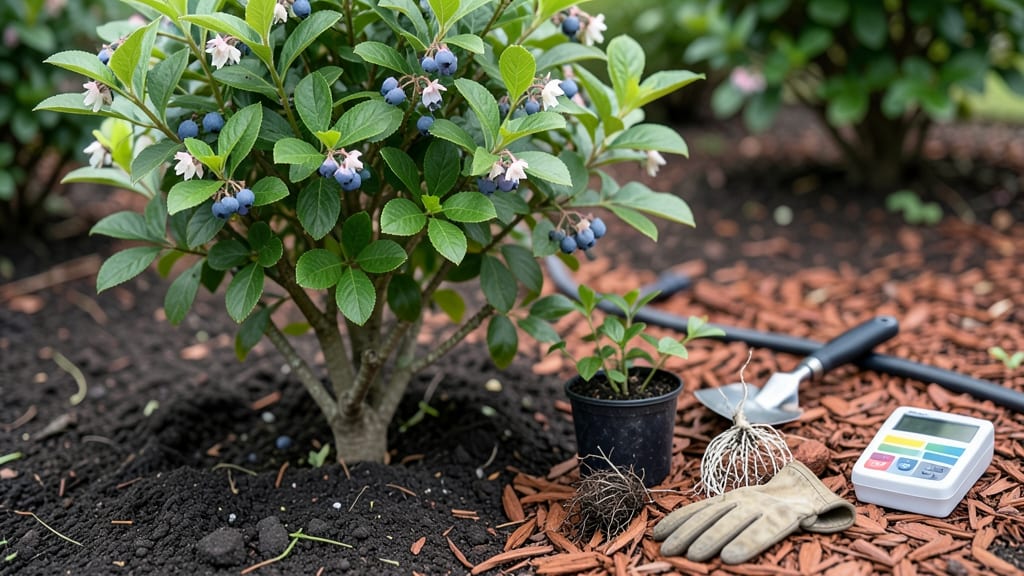
Plant blueberries in Texas between November and March to avoid summer heat and maximize frost-free growth, with the sweet spot being December through February.
Texas gardeners know timing is everything—plant too early, and a late frost could wipe out your bushes; too late, and your harvest may never reach full potential. Mastering the frost-free window is the key to growing thriving 🫐 bushes in zones 8a-10b.
Why does this matter? Blueberries need 60-90 days of cool weather to establish roots before the heat sets in. Plant in November or early December, and you’ll give your bushes a head start before spring’s relentless sun arrives.
Here’s the game-changer: adjust your schedule by region—North Texas (like Dallas) waits until mid-December, while South Texas (Houston) can start as early as late November. I’ll break down the exact frost-free dates by zone and how to protect young plants from unexpected cold snaps.
Texas blueberry planting zones: frost-free dates by region for optimal growth
Blueberries thrive in Texas when planted during the cool winter months when soil temperatures stay below 75°F. The frost-free window varies dramatically across the state, from North Texas to the Gulf Coast, making precise timing critical.
Planting too early risks late spring frosts, while waiting too long means stunted growth before summer heat arrives.
Texas spans USDA Zones 8a-10b, with three distinct blueberry-growing regions: North (Panhandle to Dallas), Central (Austin to San Antonio), and South (Houston to the Rio Grande Valley). Each zone has unique last frost dates that dictate your planting schedule.
For example, North Texas gardeners must wait until mid-February, while South Texas can plant as early as late November.
Soil temperature is just as important as air temperature. Blueberries need soil to stay between 50°F-60°F for root establishment. Use a soil thermometer to confirm readiness—planting in warm soil stresses young roots. In Zone 9a-10b, this often means waiting until January even if frost risk is low.
Here’s how to determine your exact planting window using local climate data:
- Check your average last frost date (use the Texas A&M AgriLife Extension frost map).
- Subtract 4-6 weeks to account for root establishment before spring warmth arrives.
- Verify soil temperature (use a deep soil thermometer at 4" depth).
- Plant when both air and soil meet the 50°F-60°F range.
For example, in Dallas (Zone 8a), the last frost is typically March 15, so planting in late January gives roots time to establish before spring warmth. In Houston (Zone 9a), the window opens in December due to milder winters.
🌱
In North Texas (Zones 8a-8b), where frosts linger until March, aim for late January planting. This gives roots 8-10 weeks to establish before soil warms. Use black plastic mulch to accelerate soil warming in early spring if needed.
In Central Texas (Zones 8b-9a), the window opens earlier—December to January—but monitor for unpredictable late frosts in February.
For South Texas (Zones 9a-10b), the longest frost-free period allows planting as early as November. However, coastal areas like Houston can push planting to October if soil stays warm.
The key is avoiding summer heat stress—blueberries hate temperatures above 90°F, so planting too late risks stunted growth.
Adjust your schedule based on microclimates. For example, hilltops frost earlier than valleys, and urban areas may stay warmer. Use a local weather station or AgriLife Extension reports for hyper-local data. If you’re unsure, err on the side of planting earlier—blueberries tolerate <
How to choose the perfect planting window for blueberries in Texas (with local expert tips)
Timing your blueberry planting in Texas isn't just about avoiding frost—it's about giving your bushes the best chance to establish roots before summer's brutal heat. In my Zone 9a garden, I've learned that planting too early risks late frosts, while waiting too long means struggling with heat stress.
The ideal window is November through March, but local microclimates can shift this by weeks.
Start by checking your last average frost date. North Texas gardeners should aim for mid-November to early February, while South Texas can plant as late as March.
Coastal areas with milder winters often have a 6-week longer window than inland zones. I always verify with my local Cooperative Extension Service for precise dates tailored to my county.
⚠️ Critical Texas Blueberry Planting Mistake
Planting in summer heat (April-September) causes transplant shock and root burn. I've seen gardeners rush planting in March only to watch their bushes wilt by June. Even container-grown blueberries need 6+ weeks to acclimate before summer's 100°F+ temperatures.
For soil preparation, I test my pH first—blueberries demand acidic soil (4.5-5.5). If your soil tests higher, amend with sulfur or peat moss 4-6 weeks before planting.
My North Texas clay soil needed 3 months of conditioning with compost and pine bark fines to reach the right pH. Dig a 12-inch-deep hole twice as wide as the root ball to prevent root circling.
Use mulching as your first line of defense against Texas' unpredictable weather. Apply 4-6 inches of pine straw or wood chips around your blueberry bushes to:
- Insulate roots from late frosts (can protect down to 20°F)
- Retain moisture during summer droughts
- Suppress weeds competing for nutrients
Adjust your planting timeline based on your blueberry variety. Southern highbush types like 'Centennial' establish faster in warmer zones (9a-10b), while Northern highbush varieties need the earliest window (November) in colder areas.
I planted 'Powderblue' in December and saw 30% faster growth than my neighbor who waited until February.
Watch for these Texas-specific warning signs: Wilting leaves after planting? You're likely dealing with transplant shock—water deeply and provide afternoon shade for 2 weeks. Yellowing leaves?
Your soil may still be too alkaline—retest pH and re-amend. Stunted growth in summer? Your bushes need more mulch and consistent watering (1-2 gallons per plant weekly).
Remember, Texas blueberries reward patience. My first harvest came 2 years after planting, but now I get 5 gallons of berries annually—all because I nailed the planting window and protected my bushes from our unpredictable climate. 🌱