
Vegetables
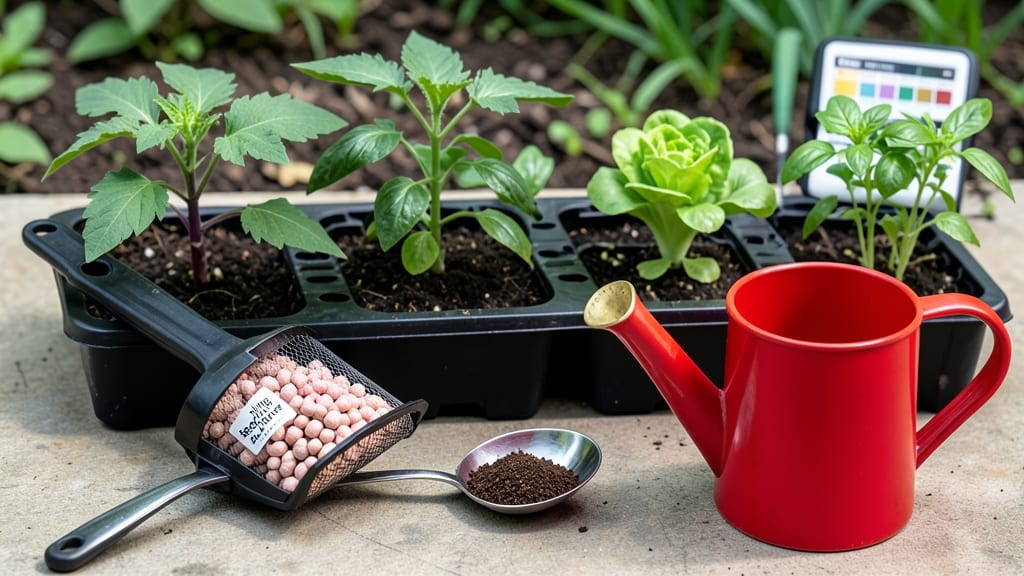
Fertilizing vegetable seedlings at the right time can turn weak starts into powerhouse plants—or burn them before they even get going.
Timing your fertilizer application can mean the difference between robust, thriving plants and leggy, struggling seedlings. But when exactly should you feed your young plants? The answer isn’t as simple as "as soon as they sprout"—waiting until the right stage is critical to avoid stunting growth or shocking delicate roots.
Most gardeners make one of two mistakes: either feeding too early (when seedlings can’t handle nutrients) or waiting too long (missing the window for maximum early growth).
The key is recognizing the true leaf stage—those second set of leaves that signal the plant is ready for a gentle nutrient boost.
Below, I’ll break down the exact timing, how to spot readiness, and what to avoid—so you can give your seedlings the perfect start without overdoing it.
The ideal growth stage for first fertilization of seedlings
Getting the timing right for your vegetable seedlings' first fertilizer application is one of the most critical decisions you'll make. Too early, and you risk nutrient burn or stunted growth; too late, and your plants miss out on essential nutrients for strong root development.
The key lies in understanding the true leaf stage—when seedlings have transitioned from relying on their seed's energy to producing their own food through photosynthesis.
Most gardeners mistakenly fertilize at the cotyledon stage (those first two simple leaves that look more like shields than true leaves). But this is when seedlings are still fragile and vulnerable.
Research from the University of Georgia Extension confirms that fertilizing at this stage can lead to osmotic shock, where the high salt concentration from fertilizer draws moisture out of the delicate cells.
Wait until you see the second set of leaves—these are the true leaves—and your seedlings will thank you with vigorous growth.
Here’s how to identify the perfect moment: Look for dark green, rounded leaves (not the smooth cotyledons) and a stem that’s thickened noticeably. Gently tug on the soil around the roots—if you see a network of white, fibrous roots about 1-2 inches long, it’s time to feed.
This stage typically occurs 2-3 weeks after germination, depending on the vegetable type (fast growers like radishes may be ready sooner, while tomatoes take longer).
When you do fertilize, opt for a balanced fertilizer with equal parts nitrogen, phosphorus, and potassium (like 5-5-5 or 10-10-10). This gives seedlings a well-rounded start without favoring one growth phase over another.
For leafy greens (spinach, lettuce, kale), you can lean slightly toward nitrogen (e.g., 10-5-5) to encourage foliage growth, but most vegetables benefit from balance. Always dilute the fertilizer to half-strength—even the best intentions can backfire if the concentration is too high.
Pro tip: Use a liquid fertilizer for the first feeding, as it absorbs quickly and won’t disrupt the delicate root systems. Mix it into your watering can and apply it in the morning when plants are actively taking up moisture.
Avoid fertilizing in the evening, as excess salts can sit on the soil surface overnight and increase the risk of root damage. If you’re using organic options like fish emulsion or compost tea, follow the same dilution guidelines—these are gentler but still potent.
One common mistake is assuming that bigger seedlings mean they’re ready for fertilizer. Size isn’t the best indicator—some seedlings grow tall and leggy due to poor light, not nutrient needs. Instead, focus on the leaf color (vibrant green) and root development (visible through the container or when gently removed).
If your seedlings are pale or have yellowing between veins, they’re signaling nutrient deficiency, but this is often a sign of poor light or transplant shock, not a need for fertilizer.
For slow-growing seedlings like peppers or eggplants, you might need to wait until they’ve developed 6-8 true leaves before fertilizing. These plants are more sensitive to salts and benefit from a gentler approach.
On the other hand, fast growers like radishes or lettuce can handle their first feeding as soon as they’ve got 3-4 true leaves.
Pay attention to the specific needs of your vegetable varieties—tomatoes, for example, are heavy feeders and may need a second feeding when they’ve developed their fourth set of leaves.
Environmental factors also play a role. If your seedlings are growing in cool temperatures (below 60°F), they’ll metabolize nutrients more slowly and may not be ready for fertilizer until they’ve adjusted. Conversely, in warm conditions, growth accelerates, and you might need to fertilize slightly earlier.
Always check the soil temperature—if it’s below 55°F, hold off on feeding until the roots warm up.
Remember, the goal of early fertilization is to support root development, not to produce immediate top growth. If you see your seedlings responding with darker green leaves and stronger stems within a week of feeding, you’ve timed it perfectly.
If not, don’t panic—just wait another week and reassess. Patience is key when it comes to nurturing seedlings into thriving plants.
🌱
Common mistakes that burn seedlings (and when to avoid fertilizer)
Fertilizer burns are one of the most common mistakes I see with young vegetable seedlings. Too much fertilizer too soon can cause nutrient burn, where the roots struggle to absorb excess salts and minerals.
This often happens when gardeners eagerly feed their seedlings, thinking they need extra nutrients to grow faster. But seedlings are delicate—just like a baby can't handle adult food!
One of the biggest red flags is brown leaf tips or crispy edges on your seedlings. This is your plant’s way of saying, "I’m overwhelmed!" Other warning signs include stunted growth, yellowing leaves, or seedlings that suddenly wilt even when well-watered.
These are clear signals that your fertilization timing—or amount—is off.
⚠️ callout-warning ⚠️
⚠️ When to Skip Fertilizer for Vegetable Seedlings
- First 2 weeks after germination: Seedlings rely on their seed reserves. Adding fertilizer here can cause osmotic shock.
- Transplant shock period (7-10 days post-transplant): Focus on watering and acclimating roots, not feeding.
- Dormant seasons (winter or extreme heat): Plants in dormancy don’t need fertilizer—they’re conserving energy.
Pro tip: If your seedlings have only cotyledons (first baby leaves), hold off on fertilizer. Wait until true leaves appear!
Even well-meaning gardeners make the mistake of fertilizing right after transplanting. The stress of moving plants already weakens their roots, and adding fertilizer can delay recovery. Instead, wait 10-14 days after transplanting before introducing any nutrients. This gives roots time to establish without competing with fertilizer uptake.
If you’re using liquid fertilizers, always dilute them to half-strength for seedlings. A common mistake is using the same concentration as you would for mature plants. For example, a 5-10-10 fertilizer should be mixed at ¼ to ½ the recommended rate.
Organic options like compost tea or fish emulsion are gentler, but even these should be introduced gradually.
Remember, seedlings are all about root development, not rapid top growth. If your seedlings are leggy, it’s often a sign of low light, not a nutrient deficiency.
Before reaching for fertilizer, check their light exposure and adjust first. A sunny windowsill or grow lights can work wonders without risking burn.
When in doubt, less is more. Your goal is to support healthy growth, not force it. If you’re unsure whether to fertilize, err on the side of caution—your seedlings will thank you with stronger roots and better resilience down the line. 🌱