
Vegetables
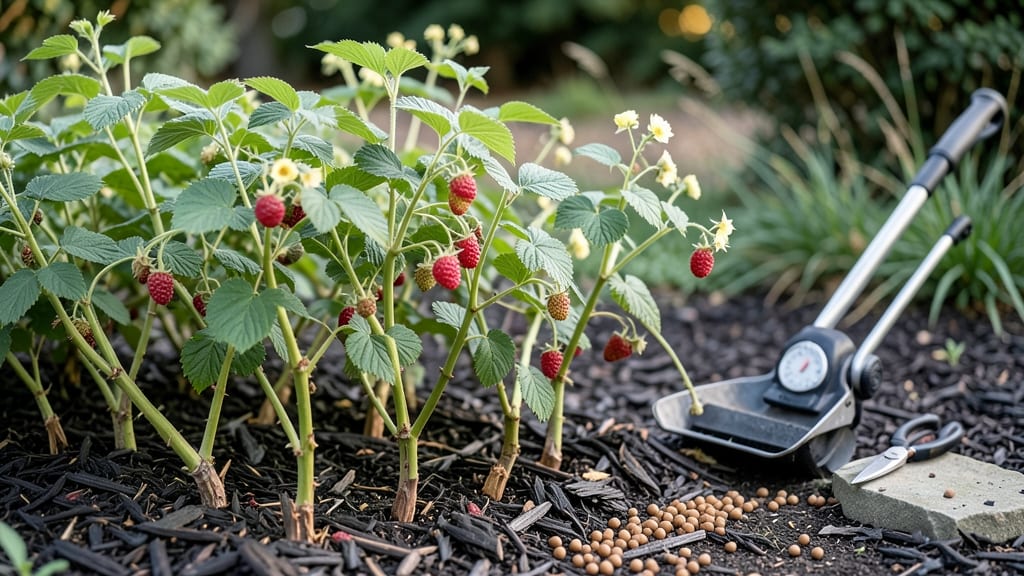
Fertilizing raspberries at the right time is the secret to bigger, sweeter berries 🍇 — and doing it wrong can leave you with weak canes and poor harvests.
Raspberries are hungry plants, but timing matters more than you might think. Feed them too early, and you risk stunted growth. Too late, and the flavor suffers. The key is knowing exactly when to feed for maximum production.
In this guide, I’ll walk you through the best times to fertilize, from early spring to post-harvest, and how to avoid overdoing it. Whether you’re using organic or synthetic fertilizers, these tips will help you grow healthier plants and a bountiful harvest.
You’ll learn how to read your raspberries’ needs, the best fertilizers to use, and when to skip feeding altogether. Let’s get started!
Best times to fertilize raspberries for maximum berry growth
Raspberries thrive when fed at the right moments—think of it like giving them a gourmet meal instead of junk food. Over-fertilizing can burn roots, while under-fertilizing stunts growth. The key is seasonal timing tailored to your raspberry variety.
Primocane varieties (like fall-bearing types) and floricane varieties (summer-bearing) both need different approaches, but all benefit from a balanced schedule.
Before you grab that fertilizer bag, test your soil. Raspberries prefer a slightly acidic pH (5.5–6.5) and nutrient-rich soil. A simple DIY test kit or local extension office analysis will tell you if your soil lacks nitrogen, phosphorus, or potassium—the trio raspberries crave.
If you’re unsure, start with a balanced 10-10-10 fertilizer and adjust based on plant response.
🌱 Did You Know? Over-fertilizing raspberries can lead to excessive leafy growth with few berries—a classic case of the plant focusing on foliage instead of fruit production. The goal is strong roots and canes, not just big leaves.
| Season | Time to Fertilize | Fertilizer Type | Application Notes | Variety Focus |
|---|---|---|---|---|
| Early Spring | After last frost, when new growth begins (March-April) | Balanced (10-10-10) or compost | Light feed to stimulate root and cane growth. Avoid heavy nitrogen. | Floricane & Primocane |
| Late Spring | 4-6 weeks after first feed (May) | High-nitrogen (12-6-6) or fish emulsion | Encourages flowering and fruiting. Water deeply after applying. | Floricane (summer-bearing) |
| Summer (Post-Harvest) | After main harvest (July-August) | Balanced (10-10-10) or bone meal | Supports new primocane growth for fall-bearing varieties. | Primocane (fall-bearing) |
| Early Fall | 6-8 weeks before first frost (September) | Low-nitrogen (5-10-10) or potassium-rich | Boosts root development and winter hardiness. | Both varieties |
| Winter | None | None | Raspberries are dormant—no fertilization needed. | Both varieties |
For primocane varieties (like 'Heritage' or 'Autumn Britten'), focus on late-summer fertilization to support the canes that will fruit the following year. These varieties produce berries on new wood, so feeding after harvest is critical.
In contrast, floricane varieties (like 'Boyne' or 'Nova') fruit on second-year canes, so prioritize spring and early summer feeds to encourage flowering.
Organic options like compost tea or worm castings release nutrients slowly, reducing burn risk. Synthetic fertilizers work faster but require precise measurements. I recommend mixing both: use compost in fall for long-term soil health and a quick-release fertilizer in spring for immediate growth.
Always water before and after applying fertilizer to protect roots.
Watch for yellowing leaves or weak canes—these are red flags. If you see these, your raspberries might need a nitrogen boost (like fish emulsion) or a phosphorus kick (bone meal) for root growth.
But if leaves turn purple or brown, you’ve overdone it. Flush the soil with water to dilute excess salts.
Mulch plays a hidden role in fertilization. A 2-inch layer of organic mulch (like straw or shredded leaves) retains moisture, regulates soil temperature, and slowly releases nutrients.
Replenish mulch in early spring to give your raspberries a head start. Pair this with a light fertilizer application for a one-two punch of growth.
Pro tip: Divide established raspberry bushes every 3-4 years to rejuvenate them. This also lets you transplant a portion to a new spot with fresh, fertile soil. Just time it for early spring before new growth begins.
Remember, raspberries are heavy feeders but not gluttons. A well-timed, moderate approach beats heavy-handed feeding every month. Stick to this schedule, and you’ll reward yourself with bigger, sweeter berries and healthier plants year after year. 🍇
Signs your raspberries need fertilizer (and what to do next)
Your raspberry bushes might be silently screaming for nutrients without you even noticing. Yellowing leaves, stunted canes, or tiny, tasteless berries are all red flags that your plants are nutrient-deprived.
Don’t wait until harvest time to realize your berries lack flavor—catch these signs early and give your raspberries the boost they need.
First, check the leaves. Healthy raspberry foliage should be a vibrant green, but nutrient deficiencies often cause yellowing between the veins (a classic sign of iron deficiency) or purplish stems (a phosphorus deficiency).
Weak, spindly canes that barely stand upright also signal poor nutrition, as do small, sparse berries that fail to ripen properly.
🌱 When to Fertilize Raspberries: Quick Fixes
| Sign | Likely Deficiency | Action |
|---|---|---|
| Yellow leaves (new growth) | Nitrogen | Apply balanced fertilizer (10-10-10) or compost tea. |
| Purple stems | Phosphorus | Use bone meal or a high-phosphorus fertilizer. |
| Weak canes, poor fruiting | Potassium | Add wood ash or a potassium-rich fertilizer. |
💡 Pro Tip: Always water before and after fertilizing to prevent root burn.
Before grabbing the fertilizer, test your soil with a simple DIY pH test. Grab a handful of moist soil and mix it with equal parts vinegar. If it fizzes, your soil is alkaline (pH > 7), and you’ll need sulfur to lower it.
For acidic soil (pH < 6), add lime. Raspberries thrive in slightly acidic soil (pH 6.0-6.5), so adjust accordingly.
If your raspberries show signs of nutrient deficiency, act fast! Apply a balanced fertilizer (like 10-10-10) in early spring as new growth emerges, then again after harvest.
For organic options, try compost or fish emulsion—both provide slow-release nutrients without burning delicate roots. Always follow package instructions to avoid over-fertilizing.
Remember, less is more with raspberries. Over-fertilizing leads to excessive leafy growth at the expense of berries. Stick to a light feeding schedule—every 4-6 weeks during the growing season—and watch your bushes reward you with plump, flavorful berries by summer’s end.
🌿 Now that you’ve spotted the signs, your raspberries are one step closer to a bountiful harvest—just give them the nutrients they crave!