
Vegetables
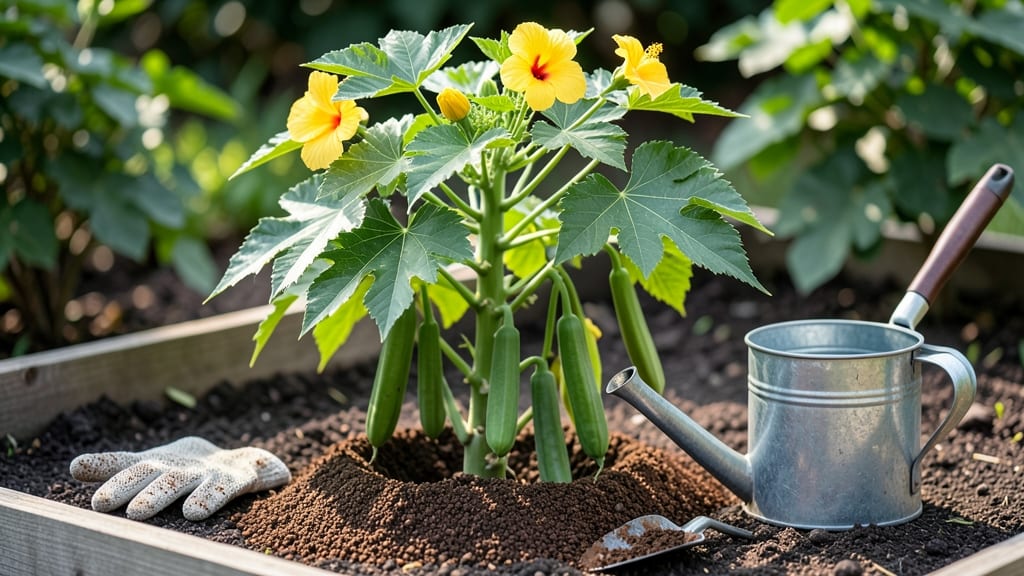
To fertilize okra at the right times means the difference between fast growth and a disappointing harvest — and the key is knowing exactly when to feed.
Picture this: you’ve planted your okra seeds after the last frost, and they’re thriving—until they suddenly slow down or stop producing pods. That’s often a sign you missed the best fertilizing window. Okra is a hungry plant, but timing matters more than you might think.
In USDA Zone 6a, the summer heat is when okra really needs a boost—starting just after germination and continuing every 4-6 weeks until harvest. But over-fertilizing can backfire, leading to lush leaves and no pods. Here’s how to get it right for your climate and soil.
You’ll learn the exact stages to fertilize (seedlings, flowering, fruiting), the best organic and synthetic options, and how to spot when your okra is begging for nutrients—or when to hold off. Let’s grow that garden!
Optimal fertilizing schedule for okra growth stages
Timing your okra fertilizer applications is key to unlocking those lush green pods you crave. Unlike many vegetables, okra thrives when fed at specific growth stages—too little or too much at the wrong time can stunt your harvest.
I’ve grown okra in USDA Zone 8a for years, and I’ve learned that three distinct feeding phases maximize yields without burning your plants.
First, let’s address the seedling stage—this is where most gardeners make their first mistake. Many rush to fertilize immediately after planting, but okra seedlings actually need minimal nutrients to establish strong roots.
Over-fertilizing here can lead to leafy growth at the expense of pods, which is the opposite of what you want.
🌱 Did You Know? Okra is a warm-season crop that only tolerates soil temps above 60°F (15°C). Fertilizing before the soil warms can actually delay germination or cause seed rot. Always wait until your soil is properly heated before introducing any nutrients.
| Growth Stage | When to Fertilize | Fertilizer Type | Recommended NPK Ratio | Application Tips |
|---|---|---|---|---|
| Seedling (0-4 weeks) | 2-3 weeks after germination | Light organic (compost tea or 3-4-6) | 3-4-6 | Side-dress with 1 tbsp per plant |
| Vegetative (4-6 weeks) | Every 4 weeks until flowering | Balanced (5-10-10) or fish emulsion | 5-10-10 | Apply at soil level, water deeply |
| Flowering/Fruiting (6+ weeks) | Every 3-4 weeks during harvest | High-potassium (5-10-20) or banana peel tea | 5-10-20 | Foliar spray or soil drench |
| Late Season (Post-Harvest) | Stop 4-6 weeks before frost | Compost only (no synthetic) | N/A | Work into soil for next season |
During the seedling stage (0-4 weeks), I recommend a light organic fertilizer like compost tea or a gentle 3-4-6 blend. Okra seedlings are delicate, and too much nitrogen can cause leggy, weak stems that snap in wind.
I’ve seen this firsthand when using high-nitrogen fertilizers too early—my plants looked like overgrown weeds but produced zero pods.
Once your okra reaches the vegetative stage (4-6 weeks), it’s time to shift to a balanced fertilizer like 5-10-10. This phase is all about building strong stems and leaves to support future pod production.
I apply mine every 4 weeks until flowering begins. Pro tip: Side-dress with fertilizer—place it 2-3 inches away from the stem and water deeply to prevent root burn.
When your okra starts flowering and fruiting (6+ weeks), switch to a high-potassium fertilizer like 5-10-20 or banana peel tea. Potassium is critical for pod development and helps prevent blossom-end rot.
I’ve had the best success with foliar sprays during this phase—just mix liquid fertilizer with water and spray the undersides of leaves in the early morning to avoid leaf burn.
One common mistake I see is over-fertilizing during drought. Okra is thirsty but sensitive—if your soil is dry, fertilizing can burn roots instead of nourishing them. Always water deeply before and after applying fertilizer, especially in hot, dry climates like mine in Arizona.
A good rule of thumb: Never fertilize if your soil is bone-dry.
For organic gardeners, I swear by fish emulsion during the vegetative stage and banana peel tea for flowering. The potassium in banana peels is a game-changer for pod production.
I save my banana peels all season, dry them, and steep them in water for 2 weeks before using. It’s free, effective, and zero chemical risk.
If you’re using synthetic fertilizers, stick to slow-release granules like Osmocote. These release nutrients gradually,
Signs your okra needs fertilizer (and when to avoid it)
Okra plants are hungry growers, and when they're not getting the right nutrients, they send clear signals. Yellowing leaves, especially on older foliage, often mean your okra is craving nitrogen. Stunted growth or small, sparse pods can indicate a deficiency in phosphorus or potassium.
If your plants look pale or weak, it’s time to check your fertilizer routine.
But before reaching for that fertilizer bag, remember that over-fertilizing can burn roots and reduce yields. Timing is everything—especially when your okra is already stressed. Let’s break down when to feed your plants and when to hold off for their own good.
⚠️ When to Skip Fertilizing Okra
- After heavy rain: Excess water leaches nutrients, so wait 3-5 days before fertilizing.
- Within 2 weeks of transplanting: Freshly transplanted okra needs time to recover—feed only after new growth appears.
- During extreme heat: High temperatures stress plants; fertilize only in early morning or evening.
- 4-6 weeks before frost: Stop fertilizing to allow plants to harden off naturally.
Fertilizer burns roots and attracts pests when applied at the wrong time.
If your okra shows purple or red stems, it’s a classic sign of phosphorus deficiency—critical for flowering and fruiting. Brown leaf edges or curling leaves often point to potassium issues, which affect overall plant health.
In these cases, a balanced 5-10-10 fertilizer can work wonders, but apply it lightly to avoid shocking the plant.
Pay attention to pod development too. If your okra flowers but drops them without setting pods, it may need more phosphorus. A side-dressing of compost or bone meal can help. For established plants, a liquid fertilizer like fish emulsion every 4-6 weeks keeps them thriving without overloading the soil.
One of my biggest mistakes was fertilizing okra right after a drought stress period. The plants couldn’t handle the sudden nutrient boost and wilted. Now, I always water deeply first before applying fertilizer to ensure roots are hydrated and ready to absorb nutrients.
Remember, okra is a fast-growing plant, and its needs change as it matures. Start with a light feeding when seedlings are 4-6 inches tall, then switch to a regular schedule during flowering and fruiting.
If your soil is already rich in organic matter, you might not need to fertilize at all—just monitor growth and adjust as needed.
When in doubt, test your soil with a simple kit. Okra thrives in slightly acidic to neutral soil (pH 6.0-6.8). If your soil is off, amend it with lime or sulfur before fertilizing. Happy, healthy okra starts with smart timing and careful observation—your harvest will thank you!