
Vegetables
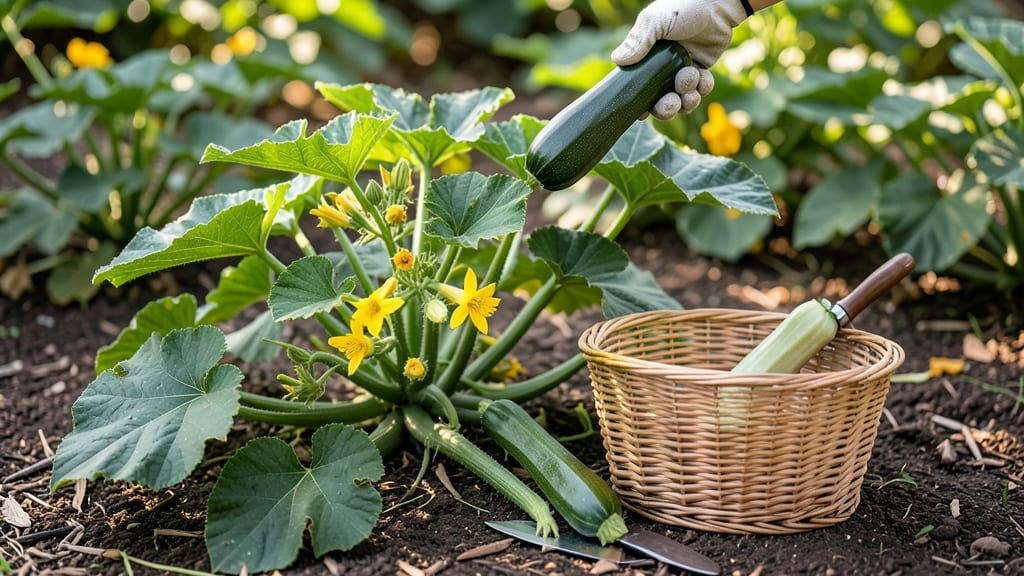
Zucchini is ripe when it reaches 6-8 inches in length with a deep, glossy skin and a slight give when pressed—harvesting at this stage ensures the best flavor and texture.
Picture this: you walk out to your garden expecting a tender, perfectly ripe zucchini, only to find a foot-long monster that’s tough as a board. That’s the difference between a delicious summer squash and a seedy disappointment.
Timing matters because zucchini grows fast—sometimes overnight!—and waiting too long turns sweet flesh into bitter, stringy pulp. But harvesting too early means missing out on full flavor and size.
In this guide, I’ll walk you through the 3 key signs of ripe zucchini, how size affects taste, and what happens if you wait just a few days too long. No more guesswork—just perfectly ripe squash every time.
3 Visual signs your zucchini is ready for harvesting
Harvesting zucchini at the right time transforms your garden into a bounty of tender, flavorful squash instead of a pile of oversized, seedy monsters. The key lies in recognizing three clear visual cues that signal peak ripeness.
Ignoring these signs often leads to zucchini that’s either too small and bitter or woody with massive seeds—neither of which you want in your kitchen. Let’s break down what to look for so you can enjoy that perfect harvest window.
First-time zucchini growers often make the mistake of waiting until the fruit looks "big enough" to harvest, only to end up with zucchini that’s tough and overgrown. The truth is, size alone isn’t the best indicator.
Instead, focus on a combination of color, texture, and stem changes that work together to confirm ripeness. Mastering these visual cues will help you harvest consistently delicious zucchini throughout the growing season.
Look for a yellowing or browning at the stem end. This shift from green to yellow signals the zucchini is ready to harvest. A fully green stem end means it’s still too early—wait a few more days.
Gently press your thumbnail into the skin. If it resists slightly but doesn’t dent deeply, the zucchini is ripe. Overripe zucchini will feel soft or spongy, while underripe ones stay firm and hard.
Ripe zucchini boasts a uniform dark green hue with no pale or yellow patches. If you spot uneven coloring, it’s likely overripe. Bonus tip: The skin should also separate slightly from the seed cavity when you gently twist it.
One common mistake I see in my own garden—and with fellow gardeners—is assuming that bigger zucchini equals better flavor. In reality, zucchini that grows beyond 6–8 inches long often becomes tough and seedy.
The sweetest, most tender zucchini is usually harvested when it’s about the size of a standard baseball bat (around 6 inches). This is where the stem color change and skin texture cues become your best friends.
Another pro tip: Pay attention to the stem’s flexibility. When ripe, the stem should snap easily when bent gently at the base. If it bends without breaking, the zucchini needs more time.
This test is especially useful for bush varieties, which can be harder to spot among dense foliage. I’ve found that checking stems in the early morning—when plants are hydrated—gives the most accurate results.
If you’re still unsure, consider the growth rate of your zucchini plant. Most varieties grow rapidly, adding 1–2 inches per day during peak season. If you notice new flowers forming while existing zucchini are still small, it’s a sign to harvest sooner rather than later.
Waiting too long can lead to overcrowded vines, which stresses the plant and reduces future yields.
For container gardeners, these visual cues are just as critical. Since space is limited, harvesting early and often encourages more production. I’ve grown zucchini in 5-gallon buckets and found that checking for the yellow stem end and soft skin texture helps me avoid missing the harvest window in tight quarters.
Just be extra vigilant—container-grown zucchini can ripen faster due to warmer soil temperatures.
Finally, don’t overlook the environmental factors that can affect ripeness. Hot, dry weather can speed up maturation, while cool, cloudy conditions may slow it down. If your zucchini is growing in partial shade, it might take longer to ripen, so adjust your expectations accordingly.
Always prioritize the visual cues over calendar dates—your zucchini’s readiness is what matters most.
Once you’ve mastered these three signs, you’ll never again end up with a foot-long zucchini that’s tough enough to use as a hammer. Instead, you’ll enjoy a steady supply of tender, flavorful squash that’s perfect for grilling, spiralizing, or stuffing. Happy harvesting—your kitchen (and your neighbors) will thank you! 🎃
How zucchini size affects flavor and texture (with ideal measurements)
If you’ve ever bitten into a zucchini that’s tough, seedy, or bland, you’ve likely waited too long to harvest. Size matters more than you think—smaller zucchini (4–6 inches) pack the sweetest flavor and tenderest texture. Here’s why timing your harvest right transforms your squash from mealy to magnificent.
The secret lies in the sugar content and cell structure of zucchini. When harvested at 4–6 inches long, these squash are at their peak sweetness because they’ve had just enough time to develop natural sugars without over-maturing.
Larger zucchini (8+ inches) often become woody, bitter, and seedy, making them less enjoyable to eat raw or in delicate dishes.
🌱
To keep your zucchini plants producing consistently sweet squash, adjust your harvesting schedule based on size. If you notice zucchini reaching 6 inches in 3–4 days, it’s time to harvest more frequently—every 2–3 days during peak production.
This encourages the plant to focus on producing new flowers and fruit instead of letting existing ones overgrow.
Pro tip: Use a sharp knife or pruners to cut zucchini from the vine, leaving a small stem attached. This minimizes damage to the plant and reduces the risk of disease. Avoid pulling or twisting, which can harm the vine and slow down future growth.
If you miss the 4–6 inch window and your zucchini grow larger, don’t despair! Smaller zucchini can still be used in cooked dishes, but their flavor and texture won’t be as impressive.
The key is to stay vigilant—check your plants every 2–3 days during the growing season to catch them at their peak.
🌿