
Vegetables
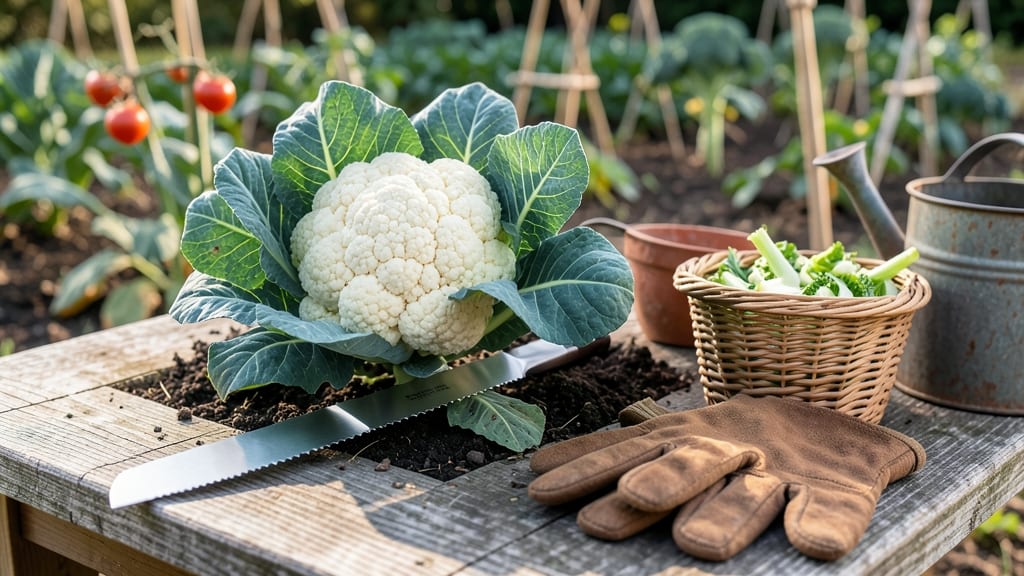
Cauliflower is harvested when its head reaches 6-8 inches and feels firm to the touch — timing it right means the difference between a tender, flavorful harvest and a tough, bitter mess.
Picture this: you’ve nurtured your 🥬 from seed, watching it grow through spring’s chill, only to wonder, "Did I wait too long?" The truth? Most gardeners miss the window by a week or more, and that’s how you end up with heads that split open or turn woody.
Knowing the exact moment to harvest isn’t just about days on the calendar—it’s about reading the plant. A perfectly timed harvest means heads stay crisp, compact, and ready for the kitchen, whether you’re roasting, steaming, or blending them into soups.
Below, I’ll walk you through the 3 key signs to pull your cauliflower at peak perfection, plus how climate and variety play into the timeline. No more guessing—just perfect harvests, every time.
3 Visual signs your cauliflower is ready for harvesting
Harvesting cauliflower at the perfect moment transforms your garden into a bounty of tender, flavorful curds. But timing is everything—wait too long, and you’ll end up with tough, bitter heads. The key lies in three simple visual cues that tell you exactly when to pick.
I’ve learned the hard way that ignoring these signs leads to wasted effort, so let’s dive into what your plants are trying to tell you.
First, pay attention to the head size—this is your most reliable indicator. A mature cauliflower head should measure between 6 to 8 inches in diameter. Smaller heads mean the plant isn’t fully developed, while larger ones may have already started to overmature.
The size isn’t just about aesthetics; it directly impacts texture and taste. Think of it like waiting for a fruit to ripen—you don’t want to pick it too soon or too late.
Here’s how to spot the perfect harvest window using these three foolproof visual signs:
The color of the curds is another critical clue. For standard white cauliflower, the florets should be bright white and tightly packed. If you’re growing purple or orange varieties, the color should be vibrant and uniform—no dull or streaky patches.
I once harvested a beautiful purple cauliflower that had started to fade to greenish-yellow, and the flavor was sadly compromised. Always trust your eyes here!
Don’t overlook the outer leaves—they’re like nature’s quality control. Healthy leaves should stay green and tightly closed around the head. If you notice them yellowing or pulling away, it’s a sign the cauliflower is ready to harvest.
But here’s the catch: if the leaves start to brown or wilt, you’ve waited too long. The ideal window is narrow, so act quickly once you see these changes.
One mistake I made early on was harvesting based on calendar days rather than visual cues. I thought, “It’s been 75 days since transplanting, so it must be ready!”—only to find a loose, underdeveloped head. Never guess. Always check these three signs before pulling your cauliflower from the ground.
Your taste buds (and your garden’s effort) will thank you.
Regional climate plays a role, too. In hotter zones, cauliflower may mature faster, so keep an eye on those outer leaves for early signs of readiness. In cooler areas, growth slows, and you might need to wait a few extra days.
But no matter where you garden, these visual signs remain your best guide. Once you master them, you’ll never second-guess harvest time again.
Ready to harvest? Grab a sharp knife or shears and cut the stem about 1 inch below the head. This leaves room for any side shoots to develop—some varieties will produce secondary heads after the main harvest!
Just remember: speed matters. The moment you see those three signs, act fast to enjoy the sweetest, most tender cauliflower your garden has to offer. 🥬
How long does cauliflower take to mature before harvest?
If you've ever wondered "when is cauliflower harvested", the answer depends on your growing conditions—but most varieties take 70 to 100 days from transplanting to harvest. That’s roughly 2.5 to 3.5 months of careful nurturing before you can enjoy those snowy-white curds.
For direct-sown seeds, add another 10 to 14 days to account for germination and early growth.
Your cauliflower’s maturity timeline starts when you plant seeds or seedlings. In cooler climates like USDA Zone 6a, I typically plant mine in March to April, aiming for a June to August harvest before summer heat sets in.
Warmer regions can extend this window, but timing is everything—harvest too early, and you’ll get small, loose heads; too late, and they’ll turn yellow and bitter.
| Stage | Days to Maturity | Key Notes |
|---|---|---|
| Seed to Seedling | 10-14 days | Keep soil warm (70°F+); thin seedlings to 12" apart |
| Seedling to Transplant | 4-6 weeks | Hardening off required; transplant after last frost |
| Transplant to Head Formation | 40-60 days | Needs 6+ hours sun daily; consistent moisture |
| Head Formation to Harvest | 30-40 days | Watch for 6-8" firm heads; harvest before leaves yellow |
| Total Seed to Harvest | 70-100 days | Adjust for climate: cooler = slower growth; warmer = faster but riskier |
Your local climate plays a huge role in how quickly cauliflower matures. In cooler regions, like the Pacific Northwest, plants take the full 100 days because slower growth prevents bolting.
Meanwhile, in warmer zones like Southern California, you might harvest in just 60-70 days—but you’ll need to plant in fall or early spring to avoid summer heat stress. I’ve even seen purple or orange varieties mature faster in ideal conditions!
Temperature is critical: cauliflower thrives in 60-70°F soil temps. If daytime highs exceed 80°F, growth slows dramatically, and heads may bolt (flower prematurely). To adjust, I use shade cloth during peak heat or choose heat-tolerant varieties like 'Graffiti' or 'Cheddar'.
In my garden, I’ve found that morning watering and mulching help maintain even soil temps for consistent growth.
Don’t forget that soil fertility impacts maturity too. Well-amended soil with compost and balanced fertilizer (10-10-10) helps cauliflower reach harvest size faster. I always test my soil’s pH (6.5-7.0) and add lime if needed—acidic soil can stunt growth and delay harvest by weeks.
For container growers, larger pots (12"+ diameter) give roots room to establish, often shaving 5-7 days off maturity timelines.
Pro tip: If you’re planning a fall harvest, start seeds 8-10 weeks before your first frost date. This gives plants enough time to mature before cold sets in. In my Zone 6a garden, that means planting by mid-July for a September-October harvest.
Just keep an eye on daylight hours—cauliflower needs 14+ hours of light daily to form heads properly, so supplement with grow lights if needed.