
Vegetables
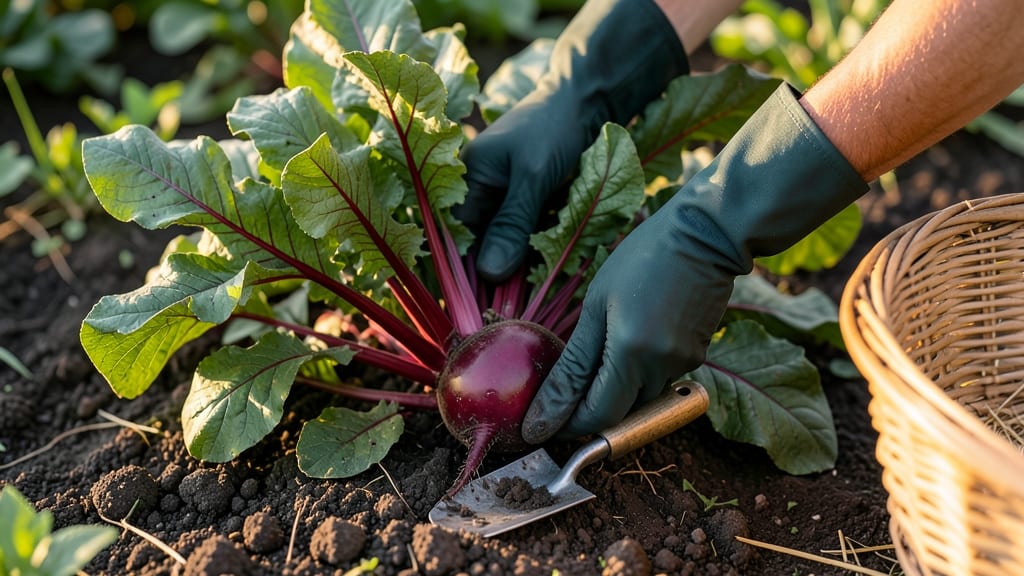
Beetroot is ready to harvest when its roots reach 1 to 3 inches in diameter and the greens stand 6 to 8 inches tall—though timing can feel like a guessing game if you’re not sure what to look for.
Picture this: you’ve been patiently waiting, watering and weeding, only to pull up a beet that’s either still tiny or tough as a boot. That’s the frustration of harvesting too early or too late, and it’s 100% avoidable with a few simple visual cues.
Most varieties take 50 to 70 days from seed to harvest, but size and color matter more than days alone. Baby beets (like ‘Detroit Dark Red’) are perfect at 1 inch, while mature types (like ‘Chioggia’) need that full 2 to 3 inches for sweetness.
Spring-planted crops in Zone 6a typically hit peak readiness by June or July, but heat can speed things up.
Below, I’ll break down the three foolproof signs—leaf health, root firmness, and skin texture—that tell you exactly when to grab your trowel. No more second-guessing, just perfect 🍠 every time.


3 Visual signs your beetroot is perfectly ready to harvest
Knowing when is beetroot ready to harvest can transform your garden from a guessing game to a rewarding experience. Beets mature at different rates depending on the variety—some baby beets are ready in just 50 days, while larger types need up to 70 days.
The key lies in observing three visual cues that signal peak ripeness. Ignoring these signs often leads to woody textures or underdeveloped roots, so let’s dive into what to watch for.
First, pay attention to the leaf color and growth pattern of your beet greens. Healthy leaves should be vibrant and deep green, but when they begin to yellow slightly at the edges or show signs of natural wilting, it’s often a sign the root below is nearing perfection.
This shift isn’t a cause for alarm—it’s nature’s way of telling you the nutrient reserves are redirecting to the root. Overlooking this clue can mean missing your harvest window entirely.
Next, let’s talk about the root size, which is one of the most reliable indicators. For standard beet varieties, aim for roots that are 1 to 3 inches in diameter. If you’re growing baby beets, they’ll be ready when they’re about 1 inch across.
To check without digging, gently brush away the soil around the base of the plant. You’ll often see the shoulder of the root peeking through—this is your green light to harvest soon. Waiting too long can turn your tender beets into tough, fibrous messes.
Leaf Color Shift
Watch for edges turning yellow or slight wilting—this means nutrients are moving to the root. Vibrant leaves mean more growing time is needed.
Root Diameter
1-3 inches for standard beets; 1 inch for baby varieties. Check by gently brushing soil away—the shoulder should be visible.
Firm, Smooth Skin
Press the top of the root—it should feel firm but not hard. Ridges or cracks mean it’s overripe; soft spots mean it needs more time.
Don’t overlook the texture of the beetroot’s skin, which is another critical clue. A perfectly ripe beet will have smooth, firm skin that resists gentle pressure. If you press the top of the root and feel it give slightly, it’s ready.
However, if the skin feels tough or develops ridges, your beet has overstayed its welcome in the soil. On the flip side, if the skin feels soft or easily pierced, it’s not yet mature enough.
This tactile check is your best defense against harvesting beets that are either underdeveloped or past their prime.
Timing your harvest also depends on the season and variety. For example, Detroit Dark Red beets thrive in cool weather and are best harvested in early summer or fall, while Chioggia beets, known for their striped patterns, can be harvested a bit later in the season.
If you’re in a warmer climate, beets may mature faster, so keep an eye on those visual cues rather than relying solely on days since planting. Seasonal adjustments ensure you’re always harvesting at the peak of sweetness.
One common mistake gardeners make is harvesting based on leaf size alone. While 6-8 inch tall greens often correlate with readiness, they shouldn’t be your sole guide. Some varieties produce large leaves even when the roots are still small.
Instead, combine leaf height with the other two cues—leaf color and root size—for a foolproof method. This multi-factor approach minimizes the risk of ending up with beets that are either too small or too tough to enjoy.
Pro tip: If you’re unsure whether your beets are ready, try the "thumb test". Gently press the top of the root with your thumb—it should feel resistant but not rock-hard. If it feels spongy, give it a few more days.
This simple test takes seconds and can save you from harvesting beets that aren’t quite there yet. Pair this with the other visual signs, and you’ll never second-guess your timing again.
Finally, remember that harvesting at the right time isn’t just about avoiding woody textures—it’s about unlocking the full sweetness and tender crunch that makes homegrown beets so rewarding.
When you nail the leaf color, root size, and skin firmness, you’re guaranteed a harvest that’s perfect for roasting, pickling, or enjoying fresh in salads. Now that you know what to look for, grab your gardening gloves and get ready to enjoy the fruits of your labor!
🌱
How to check beetroot maturity without digging up the entire plant
Testing beetroot maturity without disturbing the entire plant is a game-changer for gardeners who want to avoid damaging delicate roots. The key lies in observing subtle changes in leaf health, stem thickness, and soil conditions—all without pulling the plant.
I’ve used these methods for years in my garden, and they’ve saved me from harvesting too early or too late.
Start by examining the top greens. Mature beetroot leaves should be 6-8 inches tall with a deep, rich green color. Look for slight yellowing or wilting at the edges—this signals the plant is redirecting energy to the root.
If the leaves are still small (4 inches) or vibrant green, the roots need more time.
Next, gently press the soil around the plant to check for root firmness. Use your thumb to apply light pressure near the stem. If the soil feels firm and the plant doesn’t wobble, the root is likely 1-3 inches wide.
For baby beetroots, aim for 1-inch diameter—they’ll be tender and sweet. If the soil feels loose or the plant shifts easily, the root isn’t ready yet.
Pay attention to the stem thickness at the base. A mature beetroot will have a thick, woody stem about 1/4-inch wide. Thin stems indicate an immature root. Also, check for hairline cracks on the soil surface near the stem—this can signal rapid root expansion, a sure sign of maturity.
Seasonal adjustments are crucial. In cool climates (USDA Zones 3-5), beetroots mature slower—expect 70-80 days from planting. In warmer zones (6-9), they’re ready in 50-60 days. Always harvest before the first frost (around October 15 in most regions) to prevent woody texture.
Finally, consider the time of day for testing. Early morning is best—soil is moist, and leaves are turgid. Avoid checking after heavy rain or irrigation, as this can distort your observations. With these methods, you’ll never guess again when your beetroots are perfectly ready!