
Vegetables
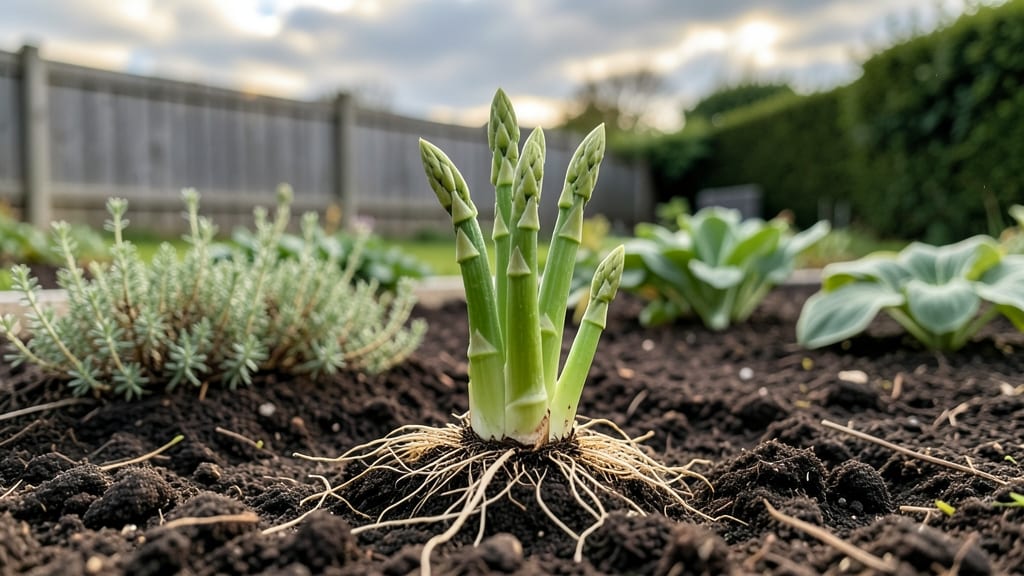
When does asparagus come up? The answer is when soil temperatures hit 40–50°F (4–10°C), marking the moment your patience finally pays off after months of waiting.
If you’ve ever stared at a freshly tilled asparagus bed in early spring, wondering why nothing’s happening yet, you’re not alone. The key lies in soil warmth and your climate zone—miss the window, and you might end up with a harvest delayed by weeks or even months.
In Zone 6a, where many gardeners grow asparagus, shoots usually break through the soil between late March and early April, though regional variations can shift that by a few weeks. Warmer zones see earlier emergence, while colder areas might not see anything until May.
Below, I’ll break down the exact timeline by zone, how to spot the first signs of growth, and what to avoid doing that could stall those precious spears from ever appearing.
Asparagus emergence timeline by USDA climate zones (with exact months)
Timing is everything when growing asparagus, and your USDA climate zone determines exactly when those eagerly awaited spears will push through the soil. Unlike annual vegetables, asparagus is a perennial crop that establishes roots in its first year before producing harvestable spears in years two and three.
Understanding these emergence windows helps you prepare your garden for optimal growth.
Asparagus crowns typically begin sprouting when soil temperatures reach 40–50°F (4–10°C), a critical threshold that varies by zone. In colder climates like Zone 3–4, you might see shoots as early as late April, while warmer zones like Zone 9–10 can expect emergence as soon as February.
First-year plants focus on root development, so spears won’t appear until year two or three, but knowing the timeline helps you monitor progress.
Soil temperature is the real game-changer—even within the same zone, a cold snap can delay emergence by weeks. Use a soil thermometer to track conditions, especially if your garden sits in a microclimate. Mulching with straw or leaves can also help regulate soil warmth and encourage consistent sprouting.
In Zone 3–4, where winters are harsh, asparagus crowns often wait until the soil warms enough to support root growth. If you planted in fall, emergence might be slightly earlier than spring-planted crowns.
In Zone 5–6, you’ll likely see the first green tips peeking through by mid-April, but don’t rush to harvest—wait until year two for spears.
Gardeners in Zone 7–8 enjoy the earliest emergence, sometimes as soon as February in mild winters. However, a late frost can damage tender shoots, so protect your bed with frost cloth if temperatures dip below 28°F (-2°C).
In Zone 9–10, asparagus is almost a year-round crop, with spears appearing in winter and early spring.
First-year plants prioritize root development, so you won’t see harvestable spears until year two. However, you can spot foliar growth (fern-like leaves) as early as April in Zone 7 or May in Zone 4.
These leaves are essential—they photosynthesize to fuel next year’s spears. If you notice yellowing foliage in the first year, it’s often a sign of nutrient deficiency or overwatering.
To encourage earlier emergence, focus on soil preparation the previous fall. Amend your bed with compost and a balanced fertilizer (5-10-10) to provide phosphorus for root growth. Avoid fresh manure, which can burn delicate crowns. Mulch heavily with straw to insulate roots and maintain even soil temperatures.
If your asparagus doesn’t emerge by the expected window, check for rotten crowns or pests like voles. Gently dig up a small section of soil to inspect the crown—it should be firm and white, not mushy or discolored.
Adjust your watering schedule if needed; asparagus prefers consistent moisture but hates soggy soil.
Once spears appear, resist the urge to harvest in the first year—even if they’re tempting! Let the plant establish a strong root system for 2–3 years before enjoying a full harvest. Patience pays off with thicker, more abundant spears in subsequent seasons.
How to accelerate asparagus growth: 5 proven techniques for faster emergence
If you're impatiently waiting for those asparagus spears to push through the soil, you're not alone! The good news is that with the right techniques, you can encourage faster emergence and enjoy your homegrown harvest weeks sooner.
Asparagus thrives when given the ideal conditions, and small adjustments can make a big difference in sprouting speed.
One of the biggest factors in asparagus growth acceleration is soil preparation. Asparagus crowns need well-draining, nutrient-rich soil to establish strong roots quickly. Amending your soil with compost or aged manure before planting ensures your asparagus has the energy it needs to break through the soil faster.
I always recommend testing your soil pH—aim for a range of 6.5 to 7.5 for optimal growth.
- 1 Use warm soil—aim for 40–50°F (4–10°C) to trigger sprouting.
- 2 Apply a thin layer of mulch (straw or shredded leaves) to retain moisture and warmth.
- 3 Water deeply once a week (1–2 inches) to encourage root growth without over-saturating.
- 4 Use row covers in cold climates to protect crowns and trap heat for earlier sprouting.
- 5 Avoid fertilizing before emergence—wait until spears appear to prevent burning young roots.
Another game-changer is using row covers in colder climates. These lightweight fabrics create a microclimate that warms the soil and protects tender shoots from late frosts. I’ve seen asparagus emerge 2–3 weeks earlier in my Zone 5 garden when using row covers.
Just be sure to remove them once spears appear to avoid overheating.
Consistent watering schedules also play a crucial role. Asparagus crowns need steady moisture to establish roots, but soggy soil can suffocate them. I recommend deep watering once a week—aim for about 1–2 inches of water per session.
This encourages roots to grow deeper, which helps the plant access nutrients faster and speeds up emergence.
Finally, don’t overlook the power of mulching. A 2–3 inch layer of organic mulch (like straw or shredded leaves) helps retain soil moisture and warmth, which are both critical for faster asparagus growth.
Mulch also suppresses weeds, reducing competition for nutrients. I always apply mulch right after planting to give my asparagus a head start in the growing season.
With these techniques, you’ll see those first asparagus spears breaking through the soil sooner than ever. Patience is key, but giving your plants the right conditions makes all the difference! Happy gardening! 🌱