
Vegetables
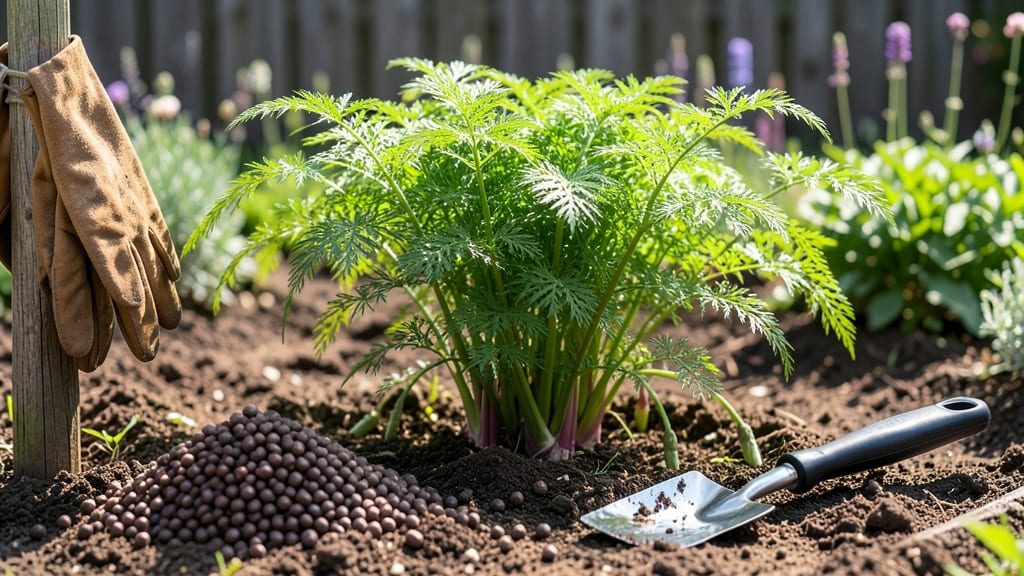
You fertilize asparagus in early spring and after harvest to boost growth and yield, but timing matters more than you might think.
Picture this: you’ve patiently waited two years for your asparagus crowns to mature, only to harvest a handful of spears—then watch your plants fizzle out from poor nutrition. That’s why knowing when to feed them is the key to a thriving 🌱 patch.
Most gardeners focus on spring feeding, but asparagus also needs a post-harvest boost in late summer to recover and prep for next year’s bounty. We’ll break down the exact windows, the right fertilizers, and how to avoid common mistakes that waste your effort.
By the end, you’ll know not just when to fertilize, but how—so your asparagus delivers year after year, not just in its second or third spring.
Best times to fertilize asparagus: early spring vs. post-harvest guide
Timing your asparagus fertilization correctly is one of the most critical steps for a productive garden. Unlike many vegetables, asparagus thrives when fertilized at specific windows—early spring and post-harvest—rather than throughout the growing season.
Skipping these key times can lead to stunted growth, fewer spears, or even plant decline. I’ve learned this the hard way after watching my first asparagus patch struggle from both over- and under-fertilizing!
Asparagus plants are perennial workhorses that reward patience with decades of harvests. But they need the right nutrients at the right time to perform. The two most important fertilization periods are early spring, just before spears emerge, and late summer, after you’ve finished harvesting for the year.
Let’s break down why these timings matter and how to do them right.
| Fertilization Window | Best Time | Purpose | Soil Prep | Fertilizer Type |
|---|---|---|---|---|
| Early Spring | March-April (before spears emerge) | Boosts root growth and spear production | Test soil pH (6.5-7.0); add compost | Balanced (5-10-10) or organic (composted manure) |
| Post-Harvest | Late August-September (after harvest) | Strengthens roots for next year’s harvest | Avoid fresh manure; use aged compost | Low-nitrogen (3-4-6) or bone meal |
| Summer (During Harvest) | Avoid fertilizing | Prevents excessive foliage growth | Mulch to retain moisture | None (risk of burning roots) |
| Fall/Winter | No fertilization | Plant is dormant; focus on soil health | Add leaf mold or straw mulch | None |
For early spring fertilization, aim to feed your asparagus as soon as the soil warms to 50°F (10°C)—usually in March or early April, depending on your USDA zone. This is when the plant’s roots are gearing up for the year’s growth.
I like to use a balanced fertilizer like 5-10-10 or a well-aged compost to provide essential nutrients without overwhelming the plant. Spread it evenly around the base, then water deeply to help it penetrate the soil.
If you’re using organic fertilizers, composted manure or worm castings work wonders. Just be sure to apply them a few weeks before planting or early in the season—fresh manure can burn tender roots.
For inorganic options, look for slow-release granules that won’t cause a nutrient spike. The goal here is to encourage root development and set the stage for a bountiful spear harvest.
After your harvest season ends (typically by late June or early July), it’s time for the second key fertilization window. This post-harvest feed in late August or September focuses on rebuilding the plant’s energy stores for next year.
Use a low-nitrogen fertilizer like 3-4-6 or bone meal to promote root growth without stimulating new foliage. Think of it as a recovery meal for your asparagus—helping it store nutrients for winter and prepare for spring’s big push.
One mistake I see gardeners make is fertilizing during the summer harvest season. While it might seem logical to keep feeding a productive plant, too much nitrogen now can lead to excessive foliage growth at the expense of spear production.
Instead, focus on consistent watering and mulching to protect the soil. Your asparagus will thank you with stronger spears next year!
To maximize your asparagus’s potential, pair fertilization with proper soil preparation. Before applying any fertilizer, test your soil’s pH—asparagus prefers a slightly acidic to neutral range of 6.5 to 7.0. If your soil is too alkaline, amend it with sulfur or peat moss.
For clay-heavy soils, mix in compost or sand to improve drainage. Well-drained soil is non-negotiable for asparagus—waterlogged roots lead to rot and poor growth.
Finally, don’t forget that first-year plants need special care. If you’re growing asparagus from crowns, skip fertilization entirely in the first year. Let the plant establish its root system without the stress of extra nutrients.
In year two, you can start with a light application of fertilizer in early spring, but keep it minimal. By year three, your asparagus should be ready for full fertilization cycles, rewarding you with abundant spears for years to come.
With the right timing and a little patience, your asparagus patch will become a garden superstar. Remember: feed in early spring to kickstart growth, skip summer fertilizing to avoid overstimulating foliage, and replenish roots post-harvest for next year’s success. Happy gardening!
How to choose the right fertilizer for asparagus growth
Choosing the right fertilizer for your asparagus plants is key to unlocking their full potential. These perennial favorites need a balanced nutrient blend to produce those prized spears year after year.
Too much nitrogen can lead to lush foliage but fewer edible shoots, while too little phosphorus or potassium weakens root development and overall plant health.
The secret lies in understanding the NPK ratio—nitrogen (N) for leafy growth, phosphorus (P) for root strength, and potassium (K) for disease resistance. For asparagus, a 5-10-10 ratio is ideal, with slightly more phosphorus to support robust root systems that store energy for future harvests.
Organic options like compost or well-aged manure also work beautifully while improving soil structure over time.
🌱
| Fertilizer Type | NPK Ratio | Best For | Application Time |
|---|---|---|---|
| Balanced Synthetic (5-10-10) | 5-10-10 | Established plants | Early spring (before shoots) |
| Compost | Varies (1-2-2) | Soil enrichment | Fall or spring |
| Well-aged Manure | 2-3-1 | New plantings | Planting season |
| Bone Meal (3-15-0) | 3-15-0 | Root development | Early spring |
| Fish Emulsion (5-1-1) | 5-1-1 | Quick nutrient boost | After harvest (June) |
For young asparagus plants (first 2 years), focus on building strong roots with low-nitrogen fertilizers like bone meal or compost. These plants shouldn't produce spears—let them focus on establishing a deep root system.
Once established (year 3+), switch to a balanced fertilizer every 4-6 weeks during the growing season to maintain productivity.
Organic options like compost or manure are excellent for long-term soil health. Work 2-3 inches of compost into the soil in early spring or fall. For synthetic fertilizers, apply ½ cup per 10 feet of row in early spring, then again after harvest if needed.
Avoid fertilizing in late summer or fall, as this encourages tender new growth that won't survive winter.
Over-fertilizing is a common mistake—too much nitrogen can lead to excessive foliage at the expense of spear production. Always follow the label instructions and monitor your plants. Yellowing leaves or stunted growth may signal nutrient imbalance, while crisp, vibrant spears indicate you're on the right track.
🌿