
Vegetables
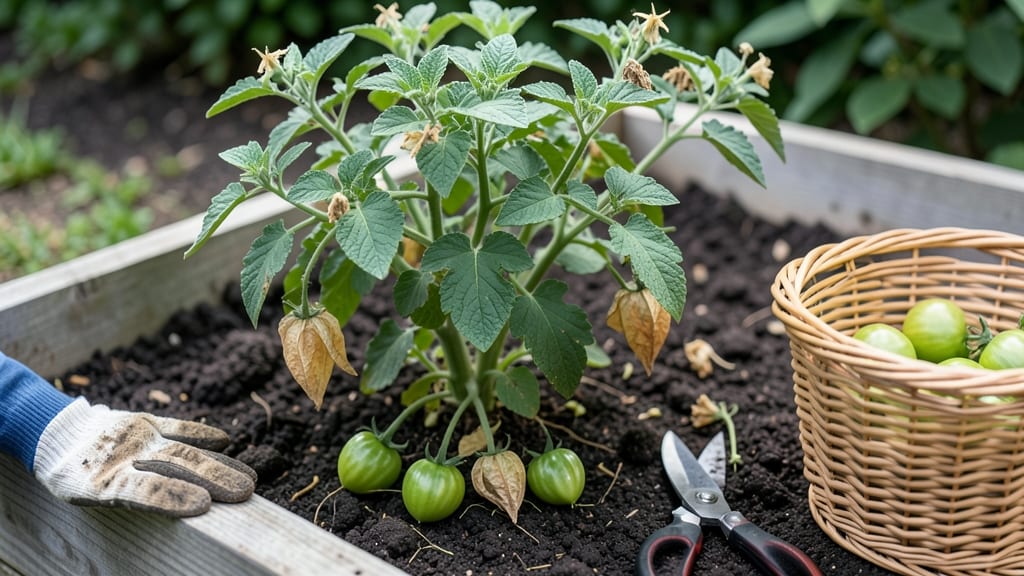
Tomatillos reach their peak season from July through September in most temperate regions, when their tart, tangy flavor shines brightest in salsas and stews.
If you’ve ever wondered why your favorite salsa recipes taste better at certain times of the year, the answer lies in tomatillo season—when these tart green fruits reach their peak flavor and abundance.
In warmer climates like the Southwest, you might find them as early as June, while cooler regions like the Northeast stretch their harvest into early October. The key is knowing when to plant them in spring—typically after your last frost—to lock in a bountiful harvest.
Below, I’ll break down the best months to source fresh tomatillos by region, how to extend your harvest with simple gardening tricks, and why timing matters for that perfect tangy kick in your dishes.
Tomatillo season by US growing regions: month-by-month harvest guide
If you’ve ever wondered why your favorite salsa recipes taste better at certain times of the year, the answer lies in tomatillo season—when these tart green fruits reach their peak flavor and abundance.
Understanding tomatillo season by region helps gardeners and chefs alike plan when to harvest, preserve, or source fresh tomatillos for cooking. Unlike tomatoes, tomatillos thrive in specific climates, and their harvest windows vary dramatically across the U.S.
The best time to pick tomatillos depends on your location, as heat, frost, and daylight hours all influence ripening. In warmer climates like the Southwest, you might enjoy tomatillos year-round, while gardeners in the Northeast have a shorter, more concentrated harvest season.
Let’s break down when tomatillos are in season by region, so you can plan your garden or pantry accordingly.
| Region | Peak Harvest Months | Climate Notes | Frost Impact |
|---|---|---|---|
| Southwest (AZ, NM, TX) | June - October | Hot, dry summers; minimal frost risk | None (year-round possible) |
| Midwest (IL, MO, KS) | July - September | Moderate summers; frost risk in fall | Early October (harvest before frost) |
| Northeast (NY, PA, MA) | August - Early September | Cooler summers; shorter growing season | Late September (harvest early) |
| California (Central Valley) | May - November | Warm year-round; ideal for extended harvests | None (frost rare) |
| Pacific Northwest (OR, WA) | July - Early September | Cool summers; rain affects ripening | Early October (harvest before frost) |
In the Southwest, where temperatures soar and frost is rare, tomatillos are in season from June through October. Gardeners here can often enjoy multiple harvests, especially if they plant heat-tolerant varieties like 'Purple Tomatillo' or 'Green Tomatillo.'
The dry climate also means less risk of fungal diseases, making it easier to grow tomatillos year-round in some areas.
For Midwest gardeners, the harvest window narrows to July through September, with frost threatening as early as October. To extend your season, plant early-maturing varieties like 'Green Tomatillo' and use row covers to protect plants from late-season chills.
The humidity and heat of summer create ideal conditions, but proper spacing and airflow are critical to prevent disease.
The Northeast has the shortest tomatillo season, with peak harvests in August and early September. Frost arrives by late September, so gardeners must act fast to harvest before temperatures drop.
If you’re growing tomatillos in containers, you can bring them indoors to extend the harvest slightly, though flavor may decline with less sunlight.
In California’s Central Valley, the growing season stretches from May to November, thanks to the region’s Mediterranean climate. This extended window allows for continuous harvesting, making it a top producer of commercial tomatillos.
Meanwhile, the Pacific Northwest sees harvests from July to early September, with cooler temperatures slowing ripening compared to sunnier regions.
If you’re planning to preserve tomatillos for off-season use, aim to harvest them at peak ripeness—when the husks turn light green and papery. Overripe tomatillos can become mealy, while underripe ones lack the tart flavor essential for salsas and sauces.
For the best results, harvest in the morning when temperatures are cooler and flavors are most concentrated.
To maximize your tomatillo harvest, consider planting companion crops like cilantro, onions, or basil, which deter pests and improve flavor. Avoid planting near fennel or dill, as these can stunt tomatillo growth.
With the right timing and care, you can enjoy fresh tomatillos straight from your garden for months—just don’t wait too long, or you’ll miss the season!
🌱
How to extend your tomatillo harvest: seasonal tips for gardeners
Tomatillos thrive in warm weather, but their natural seasonal harvest window often feels too short for serious gardeners. I’ve learned the hard way that waiting for summer’s end means missing out on months of fresh tomatillo-based recipes.
The good news? With the right strategies, you can grow tomatillos year-round or preserve your harvest for winter use.
Whether you’re extending your growing season with greenhouses or container gardening, or preserving excess harvest through freezing, drying, or fermenting, these techniques will keep your pantry stocked with homegrown tomatillos. Let’s explore how to maximize your harvest beyond the traditional July-September window.
For gardeners in cooler climates, a simple greenhouse or cold frame can push your harvest into early spring and late fall. I’ve had success using low-cost plastic hoop houses to trap heat, extending my growing season by 2-3 months.
Even a small patio greenhouse can shelter 4-6 plants, giving you fresh tomatillos when stores run out.
Container gardening is another game-changer for urban gardeners. 5-gallon pots work perfectly for tomatillos, and you can move them to sunnier spots or even indoors near south-facing windows during cooler months. Just ensure your containers have drainage holes to prevent root rot—a common issue with overwatered tomatillos.
When your harvest peaks, preservation becomes key. I freeze tomatillos whole in ziplock bags, then blanch and freeze them for salsas. Drying works too—slice them thin, dehydrate at 135°F for 8-10 hours, and store in airtight jars.
For fermented salsa verde, pack husked tomatillos in brine with chiles and garlic—they’ll keep for 6+ months in the fridge.
Pro tip: Label everything! Date your preserved batches so you use the oldest first. I’ve wasted perfectly good tomatillos by forgetting what was in my freezer—don’t make my mistake. With these strategies, you’ll enjoy homegrown tomatillos year-round, whether fresh or preserved.