
Vegetables
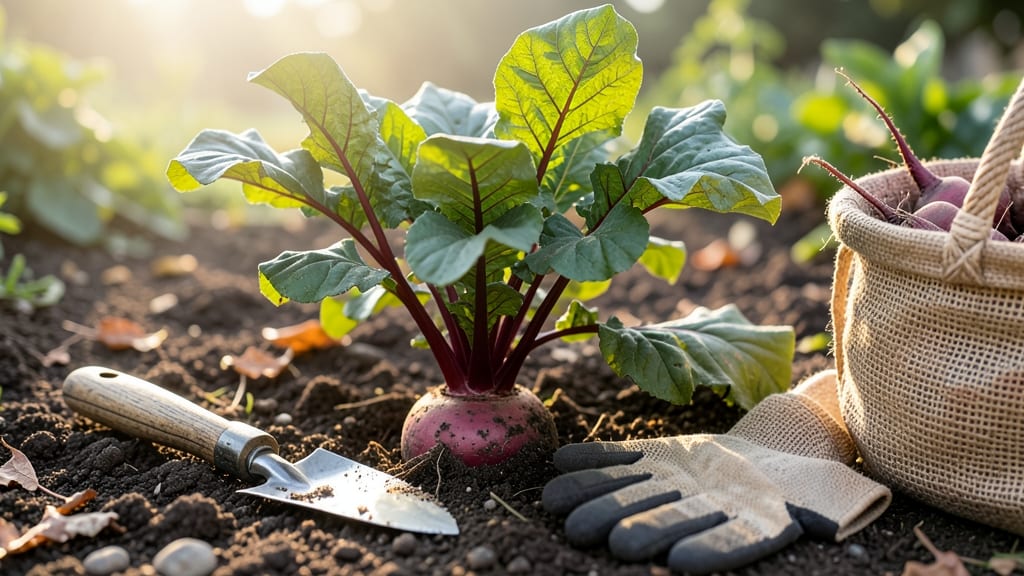
Beets are ready to harvest when their roots reach 1–3 inches in diameter and the foliage hits 3–4 inches tall—though timing varies for baby beets versus full-grown roots.
Patience is key when growing beets—harvest them too early, and they’ll be tough and bitter; too late, and they’ll split or lose their sweetness. But with these 3 foolproof visual cues, you’ll know exactly when your 🍠 beets are perfect for the table.
If you’ve ever pulled a beet from the soil only to find it undersized or woody, you’re not alone. The secret lies in watching for vibrant leaf color, firm roots, and the right balance of size—details most gardeners overlook until it’s too late.
Below, I’ll walk you through the exact signs to look for, how to adjust for your climate (spring vs. fall planting matters!), and the one mistake that ruins even the best-behaved beet crop.


3 Visual cues to know when beets are perfectly sweet
Harvesting beets at the right time ensures maximum sweetness and tenderness. The key lies in observing three visual cues: root size, leaf development, and color intensity. Baby beets and mature varieties have different benchmarks, so knowing what to look for prevents tough, underripe roots or woody, overmature ones.
For baby beets, aim for roots about 1–2 inches in diameter and foliage reaching 3–4 inches tall. These miniature varieties like 'Babybeat' or 'Detroit Dark Red' are perfect for salads and quick cooking.
Mature beets, however, should have roots 3+ inches wide and lush, 12+ inch tall leaves.
Here’s how to tell when beets are ready using these three foolproof visual cues:
| Cue | Underripe Beets | Perfectly Ripe Beets | Overripe Beets |
|---|---|---|---|
| Root Size | <1 inch diameter | 1–3 inches (baby) / 3+ inches (mature) | >4 inches (woody) |
| Leaf Development | Pale, stunted, <3 inches | Deep green, 3–4 inches (baby) / 12+ inches (mature) | Yellowing, large, or splitting |
| Color Intensity | Faint, inconsistent | Vibrant, deep, uniform | Dull, cracked, or splitting |
If your beets have deep, consistent color—whether it’s the classic deep red of 'Detroit Dark Red' or the golden hue of 'Golden Beet'—they’re ready. The leaves should be vibrant and healthy, not yellowing or wilting, which signals stress or overmaturity.
For baby beets, harvest when the roots are 1–2 inches wide and the foliage is 3–4 inches tall. These are perfect for quick pickling or roasting.
If you’re growing mature varieties, wait until the roots reach 3+ inches in diameter and the leaves are 12+ inches tall.
Watch for signs of overripeness, like cracked or split roots, which happen when beets are left too long in the soil. These are still edible but lose their sweetness and texture. Harvest on a dry, sunny day to prevent soil from sticking to the roots.
Pro tip: Gently brush away soil to check root size without digging up the entire plant. This non-destructive test helps you monitor progress without disturbing the crop. If the roots are still small, wait another 5–7 days for full sweetness.
Seasonal timing matters too. In spring plantings, beets typically mature in 50–60 days, while fall crops may take 60–70 days due to cooler temperatures. Adjust your harvest window based on your last frost date and local climate.
Once you’ve mastered these visual cues, you’ll never guess when beets are ready again. The result? Sweet, tender roots every time, whether you’re growing baby beets or full-sized varieties for storage.
How to test beet sweetness before harvesting (no guessing!)
Testing beet sweetness before harvesting isn’t just about guessing—it’s about using simple, science-backed methods to ensure peak flavor. The best part? You don’t need fancy tools. Just your hands, eyes, and a little patience.
I’ve grown beets for years, and these techniques have never failed me. Let’s dive into the foolproof ways to check doneness.
First, focus on the leaf size and color. Mature beet greens should be 12–18 inches tall with deep, vibrant leaves. Baby beets, on the other hand, need only 3–4 inches of foliage.
If the leaves look pale or stunted, your beets aren’t ready yet. This visual cue alone can save you from harvesting too early or too late.
- 1 Leaf Pull Test: Gently tug on the outer leaves. If they pull away easily, the roots are ready. Resistance means they need more time.
- 2 Root Size Benchmark: Use your fingers to feel the soil surface. Mature roots should be 2–3 inches in diameter for standard beets or 1–2 inches for baby varieties.
- 3 Soil Probing: Dig a 1-inch deep hole near the plant. If the root fills the hole snugly, it’s ready. Loose soil means it’s not time yet.
- 4 Color Consistency: Check for deep, uniform color (red, golden, or striped). Faint hues mean more growing time.
For baby beets, aim for a 1–2 inch diameter and harvest when the tops reach 3–4 inches tall. These tender roots are perfect for salads and quick cooking.
Meanwhile, mature beets should be 3+ inches wide with thick, glossy leaves. If you wait too long, they’ll split or become woody.
One trick I swear by is harvesting in the morning after watering. The soil is moist, making it easier to dig without damaging the roots. Always use a sharp knife or fork to avoid tearing the skin. This keeps them looking fresh and tasting sweet.
Don’t ignore the weather conditions either. Hot, dry spells can make beets mature faster, while cool, wet weather slows them down. Adjust your harvesting timeline based on your local climate. If you’re unsure, err on the side of waiting—overripe beets are less sweet than perfectly timed ones.
With these methods, you’ll never guess again. Your beets will be sweet, tender, and ready every time—no bitter surprises at the table. Happy harvesting! 🌱