
How To
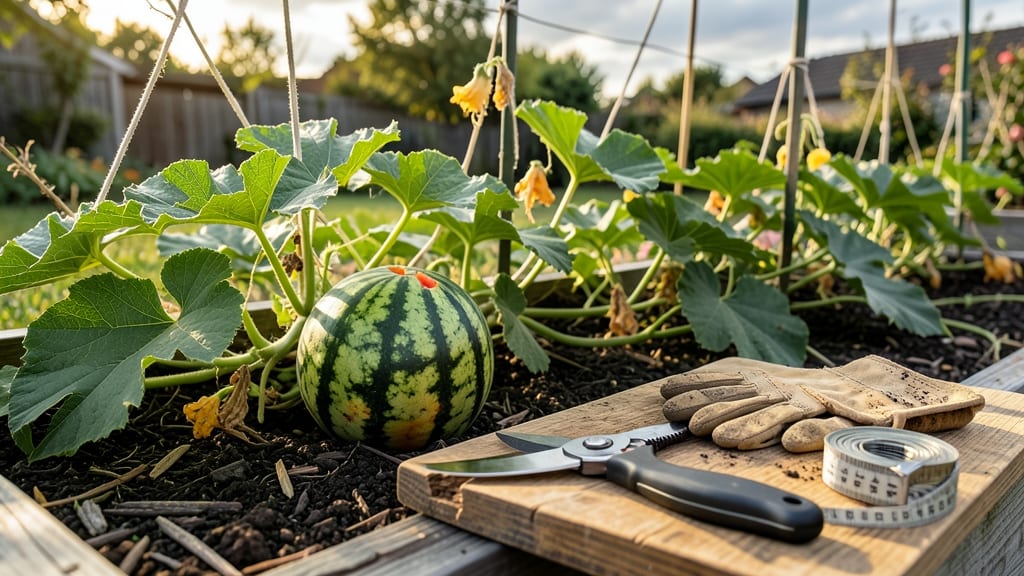
Watermelons typically take between 70 and 90 days to reach harvest—though that window can shift wildly depending on the variety, your growing conditions, and even the weather.
Picture this: you’ve nurtured your 🍉 plants all season, only to wake up one morning and find the rind still soft or the tendril still green. That’s the moment you realize timing isn’t just about counting days—it’s about reading the plant’s cues.
In this guide, I’ll break down how to calculate your exact harvest date by variety, plus the 5 key signs that override the calendar. Whether you’re growing a seedless Sugar Baby or a sprawling heirloom, you’ll never guess again—just harvest at the perfect moment.
Ready to go from planting to slicing with confidence? Let’s dive into the stages, tips, and tricks that turn 75 days of waiting into a juicy payoff.

Watermelon variety harvest times: days from planting to ripeness
Watermelons are one of summer’s most rewarding crops, but knowing exactly when to harvest can feel like guessing. The days to harvest vary dramatically by variety—from 50-day mini melons to 90-day heirlooms.
Even within the same type, temperature swings and sunlight exposure can shift your timeline by weeks. Let’s decode the numbers so you can plan your harvest like a pro.
Seed packets list days to maturity from planting, but real-world conditions often stretch or shrink that window. For example, a seedless watermelon like 'Sugar Baby' might take 60–70 days in ideal heat, but only 50 days in a hot, southern summer.
Meanwhile, a heirloom giant like 'Moon and Stars' could need 90–100 days if nights stay cool. Understanding these ranges helps you avoid disappointment.
Temperature plays a huge role in how quickly watermelons mature. If your area hits 90°F+ days consistently, expect melons to ripen 10–15 days faster than the seed packet’s estimate. Conversely, cool nights below 70°F can stretch the timeline by 2–3 weeks.
I once grew 'Sugar Baby' in a short-season zone and had to extend the season with row covers—adding 14 extra days to their harvest time.
Sunlight is just as critical. Watermelons need 6–10 hours of direct sun daily, but partial shade (even for a few hours) can delay ripening by 7–10 days. If your garden gets afternoon shade, prioritize planting fast-maturing varieties like 'Black Diamond' (65–70 days) to compensate.
I learned this the hard way when my 'Moon and Stars' took 110 days instead of 90 because of afternoon tree shade.
Soil temperature matters too—watermelon seeds won’t germinate below 70°F (21°C). If you’re in a cooler climate, use black plastic mulch to warm the soil and shave 5–7 days off your harvest timeline.
I’ve seen this trick cut heirloom varieties from 95 to 88 days in my Zone 5 garden. Even the fastest varieties need warm soil to perform at their best.
Don’t forget that pollination affects timing too. Watermelons are bee-dependent, so poor pollination can delay fruit development by 10+ days. If you notice small, misshapen melons, hand-pollinate with a paintbrush or plant bee-friendly flowers nearby.
Last summer, my 'Crimson Sweet' took 92 days instead of 80 because of a bee shortage—a lesson in patience and planning.
For container growers, choose mini or dwarf varieties like 'Tiny Tim' (55–65 days) or 'Sugar Baby'. These stay compact but still deliver sweet, ripe fruit. Just ensure your pot is at least 15 gallons and use moisture-retentive soil to prevent stress.
I’ve grown 'Sugar Baby' in 5-gallon buckets with success, but the harvest window shrinks to 60–65 days because of limited root space.
Pro tip: Track your planting date and mark it on your calendar
How to calculate your exact watermelon harvest date using growth stages
Predicting your watermelon harvest date isn’t just about counting days—it’s about tracking key growth milestones. Most varieties mature in 70–90 days, but heat, soil quality, and planting time shift that window.
I’ll show you how to pinpoint ripeness by monitoring vine development, flower production, and fruit cues so you harvest at peak sweetness.
Start by noting your planting date and adjusting for your climate zone. Southern growers may see melons ripen 2–3 weeks earlier than northern gardeners due to longer growing seasons.
For example, if you planted 'Sugar Baby' (a 60–70 day variety) on May 1st in Zone 8, your harvest window opens around July 1st—but only if conditions are ideal.
📅 Track Your Watermelon’s Growth Stages
-
Stage 1: Germination & Vine Spread (Days 0–14)
Vines grow 1–2 inches daily in warm soil. Use a ruler to measure growth—6+ feet of vine signals strong development. -
Stage 2: Flowering (Days 21–35)
Male flowers (long stems) appear first, followed by female flowers (small fruit at base). Count 3–5 female flowers to estimate fruit set. -
Stage 3: Fruit Development (Days 45–60)
Watermelons grow 1–2 inches per week. Measure diameter weekly—6+ inches means 4–6 weeks until harvest. -
Stage 4: Ripening Cues (Days 70–90)
Watch for tendril browning, cream-colored undersides, and a dull thump when tapped. Adjust harvest date by ±5 days based on these signs.
Climate plays a huge role—cool nights or drought stress can delay ripening by 10–14 days. In my Zone 7 garden, I once had 'Moon and Stars' melons take 95 days to ripen due to a rainy June.
To compensate, I planted 2–3 weeks earlier than the seed packet suggested and used black plastic mulch to warm the soil.
For container growers, harvest dates shrink by 5–10 days because vines have less root space. Dwarf varieties like 'Tiny Tim' (55–60 days) are ideal for pots, but monitor fruit size closely—smaller melons ripen faster.
Pro tip: Use a harvest calendar to track each fruit’s growth separately, especially if multiple melons form.
Don’t rely solely on days after planting—visual cues override the calendar. If your melon’s rind is hard, the tendril is crispy, and the spot where it sat on the ground turns yellow, it’s ready even if the days don’t match the variety’s average.
Overripe melons lose sweetness and attract pests, so act when you see these signs.
🌱