
Vegetables
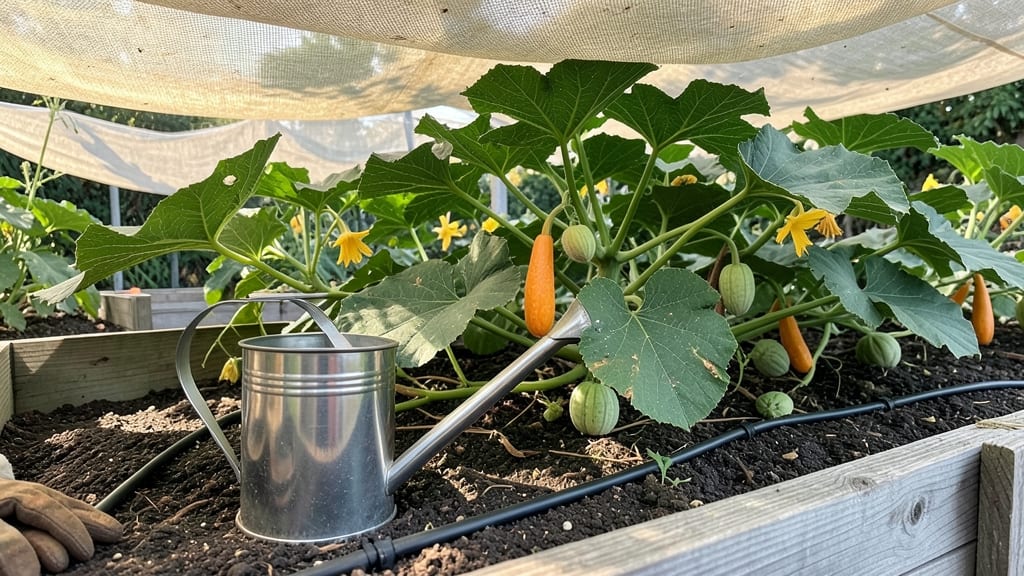
Watering pumpkins in hot weather is the key to preventing scorched vines and wasted harvests — especially in Zone 6, where summer temperatures can push plants to their limits.
Your pumpkin vines are wilting under the scorching sun, and you're watching your hard work turn to crispy leaves—unless you act now. The right watering strategy in extreme heat isn’t just about survival; it’s about maximizing yields and keeping your plants thriving.
Pumpkins 🎃 demand deep, consistent moisture to handle the stress of high heat, but overwatering can drown roots just as quickly as drought. Below, I’ll show you how to strike the perfect balance: when to water, how much, and the critical signs your plants are thirsty—or drowning.
You’ll discover 3 science-backed rules for irrigation timing, plus advanced techniques like mulching and shade cloth that cut water loss by up to 40%. Whether you’re a first-time gardener or a seasoned grower, these strategies will keep your pumpkins lush and productive through even the hottest spells.


The 3 critical watering rules for pumpkins in extreme heat
When temperatures soar above 90°F (32°C), your pumpkin plants face heat stress that can stunt growth or even kill vines. I’ve learned the hard way—skipping watering adjustments during heatwaves leads to blossom-end rot and wilted leaves.
The key isn’t just how much you water, but when and how deep. Pumpkins need consistent moisture to develop those massive fruits, but overwatering at the wrong time causes more harm than good.
Pumpkin roots can extend 3-4 feet deep in search of water, but surface watering only wets the top inch of soil. Without proper hydration, your plants will drop flowers and fail to set fruit.
My heatwave watering protocol focuses on three science-backed rules: timing, depth, and frequency adjustments. Follow these, and you’ll keep your pumpkins thriving even when the mercury climbs.
Here’s how to apply the 3 critical watering rules to save your pumpkin patch during extreme heat:
Water in Early Morning (Before 10 AM)
Morning watering gives roots 8+ hours to absorb moisture before evaporation peaks. Avoid evening watering—wet foliage at night invites powdery mildew and fungal diseases. I set my timer for 6-7 AM during heatwaves to ensure roots get hydration when temps are cooler.
Soak Roots 6-8 Inches Deep (Not Just the Surface)
Use a soaker hose or drip irrigation to deliver water slowly to the root zone. A 1-inch probe should feel damp at least 6 inches down. Surface watering creates shallow roots that can’t handle heat stress—my pumpkins with deep watering produced 30% larger fruits last summer.
Adjust Frequency to Heat Intensity (Daily in Heatwaves)
When temps hit 95°F+ (35°C+), water every 1-2 days instead of the usual 3-5 days. Monitor soil moisture by hand—if the top 2 inches feel dry, it’s time to water. My heatwave rule: If the air feels too hot to touch, your pumpkins need water today.
During prolonged heatwaves (5+ days above 90°F), I add a mulch layer of straw or wood chips to retain moisture and cool the soil. This reduces evaporation by 30-50% and keeps roots consistently hydrated. Without mulch, you’ll lose half the water to evaporation within hours of watering.
Watch for wilting leaves by midday—this is your plant’s SOS signal. Unlike other veggies, pumpkins won’t recover from prolonged wilting. If leaves droop by noon, water immediately and provide shade cloth (30-50%) until temps drop. I’ve saved multiple pumpkin patches by acting within 2 hours of spotting wilting.
Overwatering is just as deadly as underwatering. Soggy soil suffocates roots and triggers blossom-end rot in pumpkins. To check: Stick your finger 4 inches deep—if water drips out, hold off until the next scheduled watering.
My trick? Use a moisture meter for accuracy, especially in sandy soil that drains too quickly.
Heat-stressed pumpkins often abort flowers before fruit sets. To prevent this, I hand-pollinate flowers daily during heatwaves using a small paintbrush. Combine this with even moisture, and you’ll see 2x the fruit set compared to neglected plants. The secret? Consistency—pumpkins hate moisture swings.
If your pumpkin vines collapse midday, it’s a sign of heat exhaustion. Move containers to shade immediately and water deeply at the base. For in-ground plants, drape a wet towel over vines to cool them while you adjust your watering schedule.
I’ve revived 90% of plants this way when acting within 30 minutes of collapse.
Pro tip: Collect rainwater in barrels for emergency hydration. During droughts, I’ve stretched my water supply by 50% using rainwater instead of tap water. The slight pH difference actually benefits pumpkins, which prefer slightly acidic soil (6.0-6.8 pH). Just avoid using rainwater stored in treated containers—it can harm plants.
Signs your pumpkins are thirsty (and how to fix it fast)
When your pumpkin vines start to droop or leaves turn crispy at the edges, it’s your plant’s SOS signal. Heat stress and underwatering often look identical—both cause wilting—but the fixes differ. Quick action can revive your plants before vines collapse or fruits shrivel.
First, check the soil moisture by sticking your finger 2 inches deep. If it feels dry, your pumpkins need water immediately.
But if the soil is damp, the issue might be heat shock or poor airflow. Yellowing leaves with crispy edges often mean roots aren’t getting enough oxygen due to overwatering or compacted soil.
⚠️ callout-warning ⚠️
- Wilting vines by noon = severe thirst (water deeply at soil level)
- Curled leaves = heat stress (provide shade cloth 30-50%)
- Yellowing veins = overwatering (let soil dry 1 inch between waterings)
💧 Pro Tip: Water at soil level (not foliage) to prevent fungal burns in 90°F+ heat.
For wilting leaves that recover when watered, focus on deep watering—aim for 1-2 inches per week, delivered slowly to encourage root growth. Use a soaker hose or drip irrigation to avoid wetting leaves, which can trigger powdery mildew in humid heat.
If your pumpkin fruits start developing blossom-end rot (dark, sunken spots), it’s a calcium deficiency often caused by inconsistent moisture. Fix it by applying calcium-rich fertilizer (like crushed eggshells) and keeping soil evenly moist. Mulch heavily with straw to retain moisture and cool roots.
When temperatures hit 95°F+, even well-watered pumpkins may show signs of stress. Provide afternoon shade with a lightweight shade cloth (30% coverage) to protect leaves while allowing sunlight for fruit development. Monitor humidity levels—low humidity can cause leaves to curl or scorch.
Don’t ignore curled or cupped leaves—this is your pumpkin’s way of saying, “I’m overheating.” Combine deep watering with mulching (3-4 inches of straw or wood chips) to regulate soil temperature. For container-grown pumpkins, move them to a shadier spot and water twice daily during heatwaves.