
Vegetables
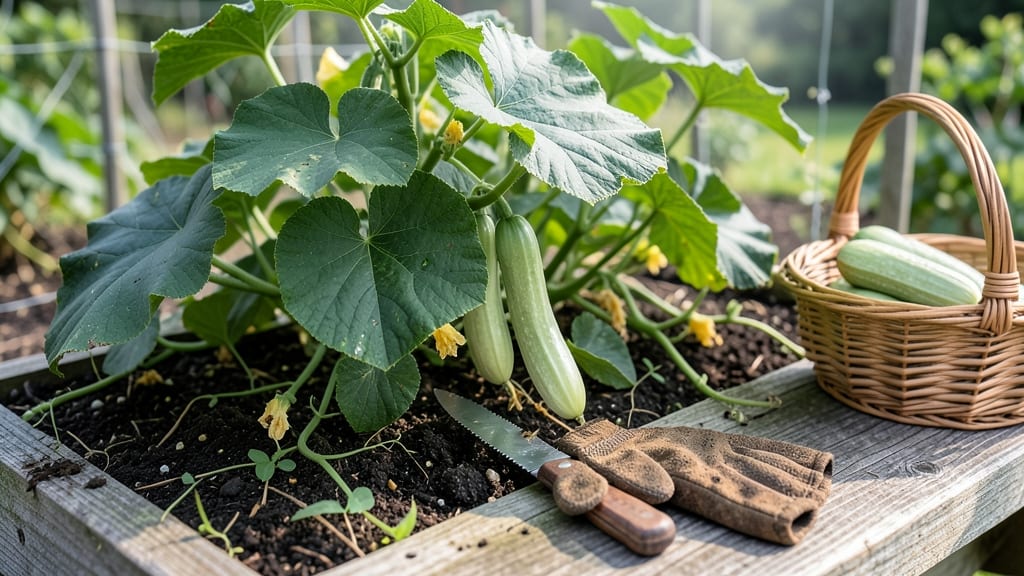
Under-ripe cucumbers turn your harvest into bitter, mealy disappointment—unless you know this quick trick. 🌱 I’ve lost count of the cucumbers I’ve pulled too soon, only to watch them turn seedy and tough within days. The fix isn’t complicated, but timing and technique make all the difference.
First, check for true ripeness: firm skin, vibrant color, and a slight give when pressed. Harvesting too early triggers bitterness and poor texture, while waiting too long means mushy, overripe cucumbers.
The sweet spot? A 3-4 inch cucumber with smooth skin—no bumps or yellowing. Store them in the fridge to slow ripening if needed.
For cucumbers already harvested too early, try this: wrap them in newspaper (the acid in the ink helps) and store in a paper bag at room temperature for 1-2 days.
Most will firm up and sweeten—just don’t leave them too long, or they’ll turn mushy. If they’re already seedy or bitter, compost them and try again next time.
Prevent future mistakes by watering consistently and harvesting regularly—this encourages plants to produce more cucumbers at the right ripeness. And watch for pests like cucumber beetles, which love immature fruit. A row cover early in the season can save your harvest before it even starts.
📚 In This Guide
- What you need
- Instructions
- Tips and common mistakes
- Wrapping up and next steps
What you need
- ● Under-ripe cucumbers: 2–3 medium-sized (firm but slightly tough to the bite).
- ● Plastic bag or produce bag: 1 (preferably with tiny holes or breathable material).
- ○ Banana or apple: 1 (optional but highly effective—its ethylene gas speeds up ripening!).
- ● Paper towel: 1–2 sheets (to absorb excess moisture).
- ● Sharp knife or peeler: 1 (for trimming or checking ripeness later).
- ● Measuring tape or ruler: 1 (to track cucumber growth—fun for kids!).
- ● Spray bottle with water: 1 (for lightly misting if the environment is too dry).
- ● Small bowl or container: 1 (for storing ethylene-producing fruits like bananas or apples).
- ● Food storage container with lid: 1 (alternative to a bag for longer storage).
- ● Patience! Ripening can take 24–72 hours, depending on the method.
- ● A cool, dark place (like a pantry or countertop away from direct sunlight).
- ● Time to check daily—give them a gentle squeeze to test for softness!
Quick fixes for under-ripe cucumbers
Here’s how to salvage those firm, bland cucumbers and turn them into crisp, flavorful gems in just days.
🌱 Step 1: Identify the Ripeness Stage
First, check the cucumber’s skin and stem. Under-ripe cucumbers feel rock-hard and have a dull, matte finish. The stem end may still look green and firm, while overripe ones soften and develop yellowing or brown spots. If you’re unsure, slice one open—if the seeds are tiny and white, it’s under-ripe. If they’re large and dark, it’s past its prime.
This quick assessment tells you whether to proceed with the fix or compost it. Under-ripe cucumbers respond best to these methods, while overripe ones won’t recover their crunch or sweetness. I always test a slice first—no one wants to waste effort on a lost cause.
☀️ Step 2: Apply Heat to Speed Up Ripening
Place the cucumber in a paper bag (not plastic—it traps too much moisture) with a banana or apple. These fruits release ethylene gas, which naturally triggers ripening. Store the bag in a warm, dark spot like a pantry or cupboard, where temperatures stay between 65-75°F. Check daily for softening—you’ll see the skin develop a slight gloss and the cucumber yield slightly when gently pressed.
Heat is key here. Ethylene works best in warmer conditions, so avoid refrigeration. Within 2-4 days, you should notice the cucumber softening and developing a sweeter taste. If it’s still rock-hard after a week, it may have been too far gone to begin with.
💧 Step 3: Hydrate for Crunch and Sweetness
Once the cucumber shows signs of ripening—like a slightly softer texture and a faint yellowing near the stem—soak it in room-temperature water for 30 minutes. This rehydrates the cells, restoring that satisfying crunch and intensifying flavor. Pat dry gently with a paper towel to avoid sogginess.
Don’t skip this step. Under-ripe cucumbers often lose moisture as they ripen, making them mealy. The soak revives them instantly. After drying, store in the fridge for up to 3 days—they’ll keep their improved texture and taste longer than fresh-picked underripe ones.
✂️ Step 4: Use Immediately or Preserve
For best results, use the cucumber within 24 hours of the hydration step. Slice it thinly for salads, where its restored crunch and mild sweetness shine. If you won’t use it right away, pickle it. The acidity in vinegar halts further ripening while enhancing flavor—ideal for underripe cucumbers that need a flavor boost.
Real talk: If you’re pickling, add extra garlic or dill to compensate for any lingering bitterness. The fix works, but underripe cucumbers won’t ever match peak-season sweetness. That’s why I always harvest mine when they’re 6-8 inches long—no second chances needed.
Tips & tricks for reviving under-ripe cucumbers
Common pitfalls—and how to sidestep every one when working with stubbornly firm cucumbers.
Ethylene Gas Strategy: The banana or apple in Step 2 isn't just random—they're ethylene producers that accelerate ripening. For faster results, choose ripe bananas (the browner the peel, the more ethylene) and keep the bag sealed with a rubber band. If you're short on time, you can also place the cucumber next to an avocado or tomato for similar effects. Just remember to check daily, as ethylene works best in the 65-75°F range you've already established.
Visual Ripeness Cues: In Step 1, look for these three key signs of progress: first, a slight gloss developing on the skin (not slippery, just a subtle sheen), second, the stem end turning from bright green to a pale yellow-green, and third, the cucumber yielding slightly when pressed with your thumb. I've found that the gloss appears first—this is your best early indicator that the ethylene is working. If you don't see these changes within 2-4 days at 75°F, the cucumber may be too far gone.
Hydration Hack: For Step 3's 30-minute soak, use filtered water if possible—it contains fewer minerals that can interfere with the cucumber's cell rehydration. After soaking, I like to pat the cucumbers dry with a clean kitchen towel rather than paper towels. The extra absorption from the towel helps draw out any excess water that might make the cucumber soggy when sliced. This step makes all the difference for salads where texture is everything.
Preservation Tip: When pickling in Step 4, add 1 teaspoon of sugar per pint of vinegar to help balance any lingering bitterness from the underripe cucumbers. The sugar also enhances the flavor without making the pickles too sweet. I've found that adding a bay leaf to the brine during the pickling process adds subtle earthy notes that complement the cucumbers' restored sweetness beautifully.
Pro Tips for Under Ripe Cucumber
- Common pitfalls—and how to sidestep every one when working with stubbornly firm cucumbers.
- Ethylene Gas Strategy: The banana or apple in Step 2 isn't just random—they're ethylene producers that accelerate ripening.
- I've found that the gloss appears first—this is your best early indicator that the ethylene is working.
Frequently asked questions
How can I tell if a cucumber is under-ripe?
Look for these signs: small size, thick, tough skin, and a hard, rubbery texture when squeezed. Under-ripe cucumbers also lack the sweet, fresh aroma of fully ripe ones. If it’s pale green or still firm, it’s likely not ready yet!
How long does it take to ripen a cucumber?
Most cucumbers won’t ripen further once picked, but if you spot a light green or yellowing one, try placing it in a paper bag with a banana or apple (ethylene gas speeds ripening). Check daily—it may take 1–3 days to soften slightly, but don’t expect a full transformation.
Can I still eat under-ripe cucumbers?
While they’re less sweet and crunchy, they’re still safe to eat. Peel them to reduce bitterness, slice thinly for salads, or blanch and freeze for future use. For cooking, they hold shape well in stir-fries or pickling—just add extra seasoning to compensate for the milder flavor.
What’s the best way to ripen cucumbers naturally?
Since cucumbers don’t ripen well after picking, focus on buying ripe ones (dark green, firm, and fragrant). If you must work with under-ripe, try soaking in warm water (100°F) for 1–2 hours to soften slightly. For long-term storage, keep them in the crisper drawer—but don’t expect miracles!
What can I substitute if I only have under-ripe cucumbers?
Need a crunchy swap? Try zucchini (peeled and sliced thin), radishes, or firm green beans in salads. For pickling, unripe tomatoes or bell peppers work too. If you’re making tzatziki, blend in extra garlic, lemon, or yogurt to boost flavor.
Wrapping up and next steps
Mastering the art of ripening cucumbers at home is simpler than you think—and the reward? Perfectly crunchy, sweet, and flavorful veggies every time! 🌱 Whether you’re a gardener with a surplus or a home cook craving peak freshness, these quick fixes ensure no cucumber goes to waste.
Now that you’re armed with the know-how, why not experiment with a few more under-ripe veggies? Try the same method on tomatoes, avocados, or even green bell peppers. Your taste buds (and your grocery budget!) will thank you.
Next step: Grab those cucumbers and give them the love they deserve—your kitchen (and snacks) will never be the same! 🥒✨